
What Are the Types of Coal Handling System?
An overview of coal handling system types, from manual and mechanical to hydraulic and pneumatic, plus the ash handling and dust suppression systems in a CHP.
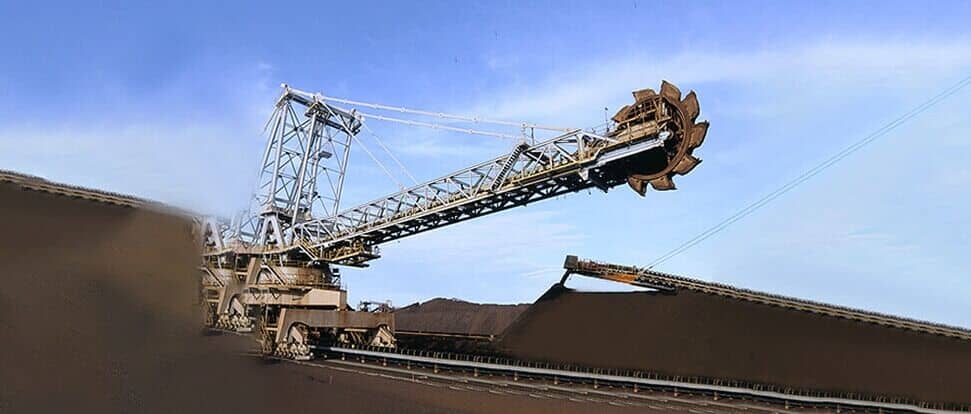
Coal is a valuable and primary source of energy that is widely used for various industrial purposes such as generating electricity, producing steel, cement, and many others. Coal handling is an essential process that involves the transfer of coal from its natural state to various destinations. Coal handling system are critical for efficiently transporting, storing, and processing coal in power plants and other industrial facilities. There are various types of coal handling that are used in different applications.
- Manual Coal Handling System:
A manual coal handling is a simple and cost-effective system that involves the use of human labor to transport and handle coal manually. This system is commonly used in small-scale industries where the quantity of coal handled is relatively low. Although the manual system is simple and cost-effective, it is labor-intensive and requires skilled personnel to operate. - Mechanical Coal Handling System:
A mechanical coal handling is an automated system that uses various equipment and machines to handle coal. This system is designed to reduce labor costs and increase efficiency. The mechanical system involves the use of conveyor belts, bucket elevators, and stackers to transport coal from one location to another. The system can handle a large quantity of coal in a short period, making it ideal for large-scale industrial applications. - Hydraulic Coal Handling System:
A hydraulic coal handling is a system that uses hydraulic equipment to transport and handle coal. The system uses hydraulic pumps and cylinders to move coal from one location to another. The hydraulic system is efficient, reliable, and requires less maintenance than other systems. The system is ideal for applications that require the movement of large quantities of coal over long distances. - Pneumatic Coal Handling System:
A pneumatic coal handling is a system that uses compressed air to transport and handle coal. The system uses a pneumatic pump to move coal from one location to another. The system is efficient and requires less maintenance than other systems. The system is ideal for applications that require the movement of coal over long distances. - Thermal Coal Handling System:
A thermal coal handling is a system that uses heat to transport and handle coal. The system uses thermal energy to move coal from one location to another. The system is efficient and requires less maintenance than other systems. The system is ideal for applications that require the movement of coal over long distances. - Ash Handling System:
An Ash handling system is a system that is used to handle the ash that is produced during the combustion of coal. The system is designed to collect the ash and transport it to a storage facility. The ash handling system uses various equipment such as conveyor belts, bucket elevators, and silos to transport and store the ash. - Dust Suppression System:
A dust suppression system is a system that is used to suppress the dust that is produced during the handling of coal. The system uses water or chemicals to suppress the dust and prevent it from spreading in the air. The dust suppression system is essential to ensure the safety of workers and to maintain a clean working environment.
Coal handling plants are typically designed based on the specific needs of the facility. A coal handling plant is a facility that is used to store, process, and transport coal. The plant is designed to handle a specific amount of coal per day, depending on the requirements of the facility. The plant may include various systems such as coal crushers, coal storage yards, coal feeders, and coal conveyor belts.
In conclusion, coal handling are crucial for efficiently transporting, storing, and processing coal in power plants and other industrial facilities. There are various types of coal handling that are used in different applications, and each system has its advantages and disadvantages. The choice of system depends on the specific needs of the facility. Coal handling plants are designed to handle a specific amount of coal per day, depending on the requirements of the facility, and they include various systems such as coal crushers.
Systems discussed
- Coal handlingTurnkey coal and lime handling plants: wagon tipplers, track hoppers, feeders, crushers, screens, stacker-reclaimers, and civil, structural, electrical works.
- Bulk material handlingBulk material handling: dense phase pneumatic conveying of cement, raw meal, limestone, sand and dusts, plus mechanical fly ash systems for cement plants.
- Ash handlingAsh handling systems and plants for PF and CFBC boilers: fly ash, bottom ash, dry bottom ash and slurry disposal, designed and built by Macawber Beekay.
More from our engineers
- Coal Handling System for Power Plants: Macawber Beekay's EPC ExpertiseHow a power plant coal handling system works, from wagon tippler or track hopper unloading through crushing, stacking and reclaiming to bunker feeding.
- Different Types of Bottom Ash Handling Systems ExplainedWet jet pumping, semi-dry submerged scraper chain conveyor (SSCC), dry mechanical and dense phase pneumatic bottom ash handling compared on water use and fit.
- Pneumatic Ash Handling System for CFBC Boilers: How It Handles Bed Ash and Fly AshWhy dense phase pneumatic conveying suits CFBC and AFBC bed ash and fly ash, the key design points, and the 2 x 300 TPH CFBC boiler project at HMEL Bhatinda.
Talk to our engineers.
Planning a new plant or upgrading one? Our engineering team in Noida is ready to help.
