
Waste to green coal
Green coal is a solid fuel made from municipal solid waste (MSW): the combustible part of the waste is torrefied in an oxygen-deficient reactor into a charcoal with properties similar to fossil coal, then pelletised.
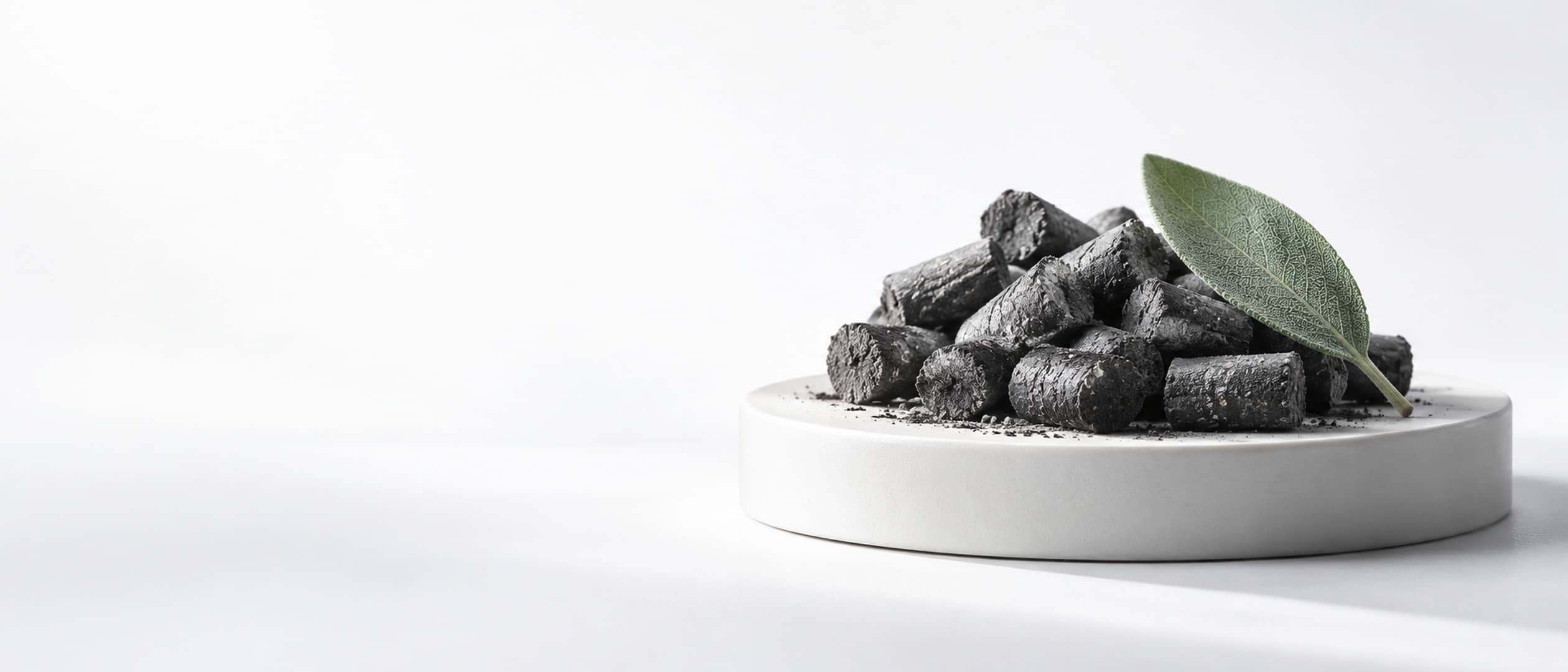

Macawber Beekay's waste to green coal technology converts up to 600 T/day of waste into a carbon-neutral, eco-friendly fuel that can be co-fired with coal in boilers or used by industry in place of coal or wood.
Why move away from fossil coal
Fossil coal carries a heavy environmental cost before it is ever burned, and more once it is:
- excessive mining, which leads to deforestation;
- water contamination from the extraction process;
- large amounts of CO2, toxic emissions and pollutants when it is burned.
At the same time, municipal solid waste has become an environmental hazard for lack of treatment and use. Mountains of waste in various stages of decomposition sit across cities, and landfills discharge leachate that contaminates water.
Converting municipal solid waste to green coal
Waste to green coal addresses both problems at once. The energy-rich part of municipal solid waste (paper, plastics, yard waste and wood products) is separated from the inert material and torrefied into charcoal, which is then pelletised. The fuel that results can be used in boilers along with regular coal or in place of coal or wood in industry.
Raw waste is difficult to use as fuel in its natural form because of its low energy density, high moisture content, irregular shape and size, and heterogeneity. Torrefaction removes those drawbacks. Plastics, which take centuries to decompose in a landfill, are fully broken down into volatile matter in the process.
The full plant sequence, from the waste receiving shed to the pellet silo, is set out on the green coal process and technology page. The green coal infrastructure page covers the company and manufacturing base behind it.
Waste to Green Coal: inside the plant
Municipal solid waste arrives by truck, is weighed, unloaded and fed by grab crane into the plant, and leaves as green coal. A film from Macawber Beekay's waste-to-coal plant.
Benefits of green coal
- Carbon neutral. Bio-coal is derived from municipal solid waste without any mining of fossil fuels.
- Lower CO2. Using 1 kg of bio-coal in place of fossil coal reduces CO2 by approximately 2 kg.
- No added fuel. Production uses the volatile gases released from the waste to heat the reactor.
- Fewer landfill problems. It avoids landfilling emissions, uses legacy waste to help reclaim land, and addresses water contamination from landfill leachate.
- Lower ash. The ash content is lower than most traditional coal.
- Economical. The cost of production is economically viable.
- Fossil-free reducing agent. In metallurgy, raw biomass is usually unsuitable as a blast-furnace reducing agent because of its high moisture, low fixed carbon and high ash; green coal offers a fossil-free alternative.
The Varanasi project
Macawber Beekay's Waste-to-Green Coal project at Varanasi uses the company's torrefaction technology to transform municipal solid waste into an alternative fuel on a commercial basis. The Chairman's message describes it as a first-of-its-kind commercial success and a foundation for similar projects across India.
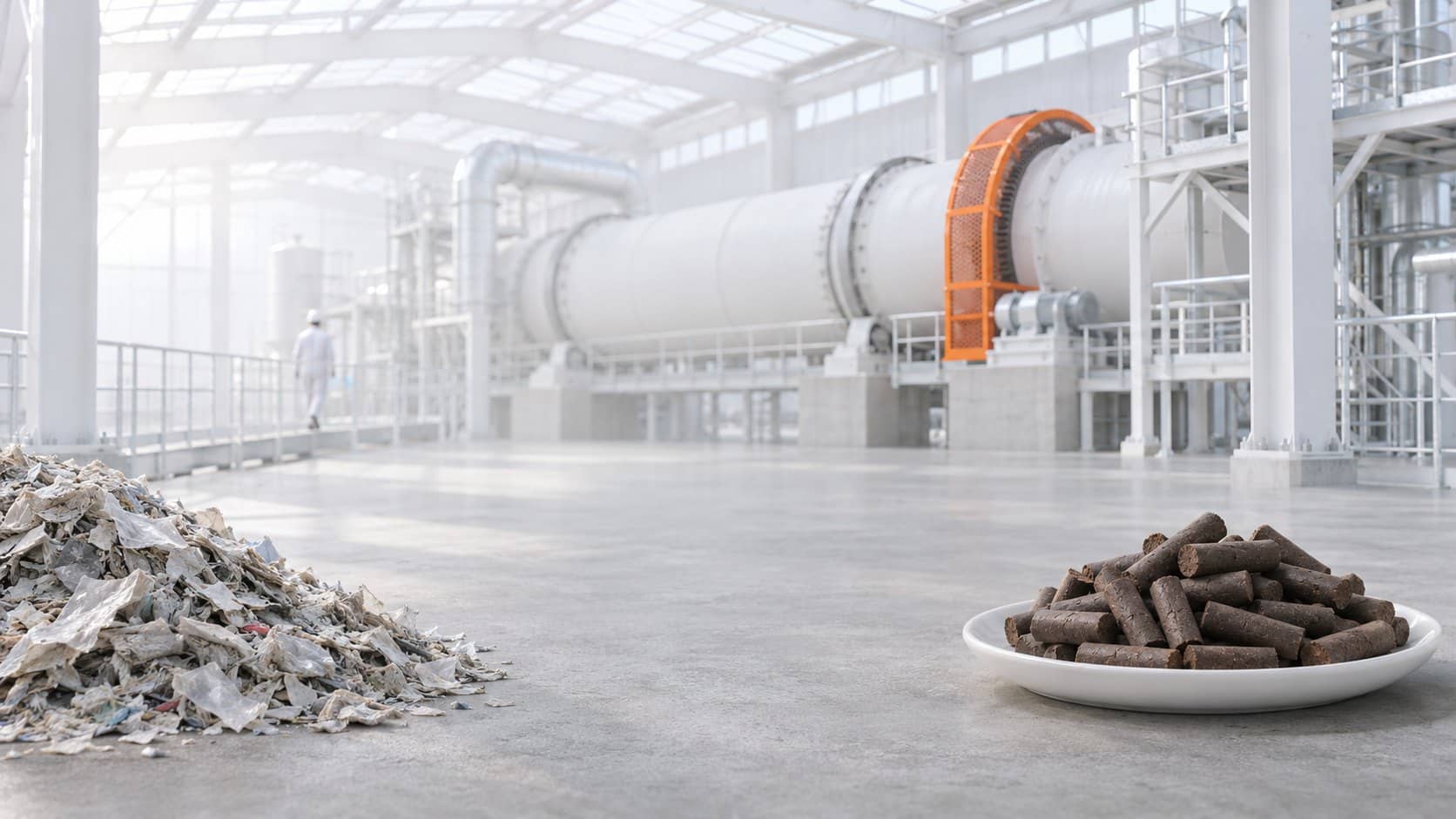
Green coal sits alongside the company's other green-energy work in electrolyzers and green hydrogen. To discuss a waste to green coal project, contact Macawber Beekay.
The Bhopal project
At Bhopal, Macawber Beekay is the EPC partner for the Bhopal Harit Koyla Pariyojana of NTPC Vidyut Vyapar Nigam Limited, a waste-to-coal plant beside the city's landfill. See how the plant was built on the green coal infrastructure page. People who live next to the landfill describe what the waste has meant for them:
Voices from Bhopal
Voices from Bhopal: living beside the landfill
Voices from Bhopal: the neighbourhood
Further reading
- Waste to energy: turning municipal solid waste into green coal
- Waste to coal: green and bio coal
- Uncovering the mystery of green coal: what you need to know
- From waste to fuel: the science behind green coal technology
- How green coal is redefining renewable energy and reducing carbon emissions
- Can green coal replace fossil fuels?
- How waste coal is powering industries while reducing landfill waste
- Waste to energy: a sustainable solution to India's growing waste problem
At a glance
 Check
 Green coal
 Cloud
 Global
 Nature
 Bulb
Last reviewed
Waste to green coal
| Feedstock | Municipal solid waste (MSW), including legacy waste |
|---|---|
| Capacity | Up to 600 T/day of waste conversion |
| Core process | Torrefaction in an oxygen-deficient reactor |
| Reactor heating | Process gases; no auxiliary fuel in normal operation |
| Product | Green coal (bio-coal) pellets |
| CO2 reduction | Approx. 2 kg CO2 avoided per kg of fossil coal replaced |
| Uses | Co-firing in coal boilers; industrial fuel in place of coal or wood |
At the plant
How it works, stage by stage
Receive and segregate
Municipal solid waste arrives at the plant by tipper truck or compactor. Inert material is removed, leaving the segregated combustible fraction (SCF): paper, plastics, yard waste and wood products.
Torrefy in the reactor
The SCF is heated in the reactor within a preset temperature range under oxygen-deficient conditions. Gases released by the process heat the reactor, so it runs without auxiliary fuel.
Clean the charcoal
The charcoal discharged from the reactor is cooled and cleaned on a sieve to give pure char.
Pelletise and dry
The char is mixed with exact proportions of binder and water, formed into pellets and dried in a continuous tray dryer to the required moisture level.
Store and dispatch
Finished pellets are stored in a pellet silo, from which delivery trucks are loaded.
Questions buyers ask
What is green coal?
Green coal, also called bio-coal, is a solid fuel made from waste rather than mined from the ground. Macawber Beekay produces it from municipal solid waste by torrefaction, which gives a charcoal with higher energy density, a lower oxygen-to-carbon ratio and better grindability, handling and storage properties. The result has properties similar to fossil coal and is pelletised for use as fuel.
How is green coal made from municipal solid waste?
Inert material is removed from the municipal solid waste and the remaining combustible fraction is shredded and fed to a reactor. There it is torrefied, a thermochemical treatment at preset temperature and pressure under oxygen-deficient conditions. The charcoal produced is cooled, sieved, mixed with binder and water, pelletised and dried, then stored in a silo for dispatch.
Is green coal carbon neutral?
Macawber Beekay describes its green coal as carbon neutral because it is derived from municipal solid waste without any mining of fossil fuels. Replacing 1 kg of fossil coal with 1 kg of bio-coal reduces CO2 by approximately 2 kg. Producing it also avoids landfilling emissions, and the reactor is heated by the process's own gases rather than additional fuel.
What capacity does Macawber Beekay's waste to green coal plant have?
Macawber Beekay's green coal technology has a capacity of up to 600 tonnes per day of waste conversion to coal. The company's Waste-to-Green Coal project at Varanasi applies this torrefaction technology to municipal solid waste on a commercial basis, and the Chairman describes it as a scalable foundation for similar projects across India.
Who uses green coal?
Green coal pellets can be fired in boilers along with regular coal to raise steam for electricity generation, and can replace conventional coal or wood in various industries. Sources on this site name thermal power plants, petrochemical refining and cement plants as fossil-fuel users that can adopt it, and metallurgy, where green coal can serve as a fossil-free reducing agent.
Continue reading.
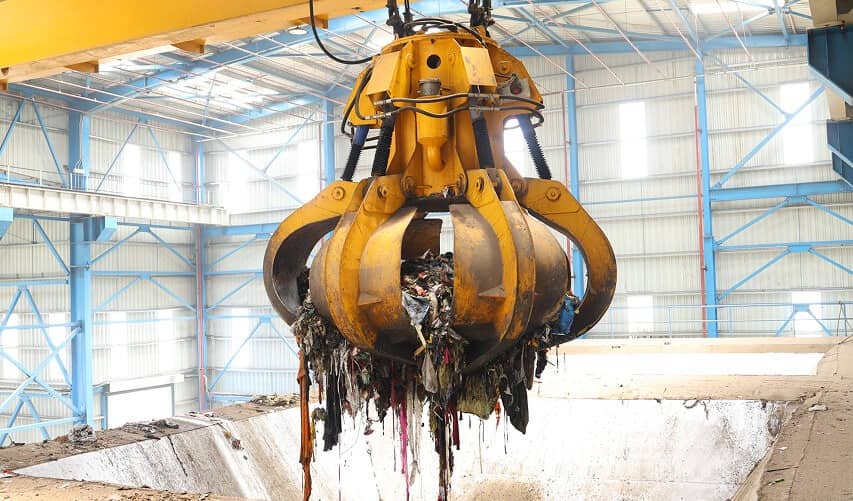 Process and technologyHow a waste-to-coal plant works: municipal solid waste is segregated, torrefied in an oxygen-deficient reactor, and the charcoal pelletised into green coal.
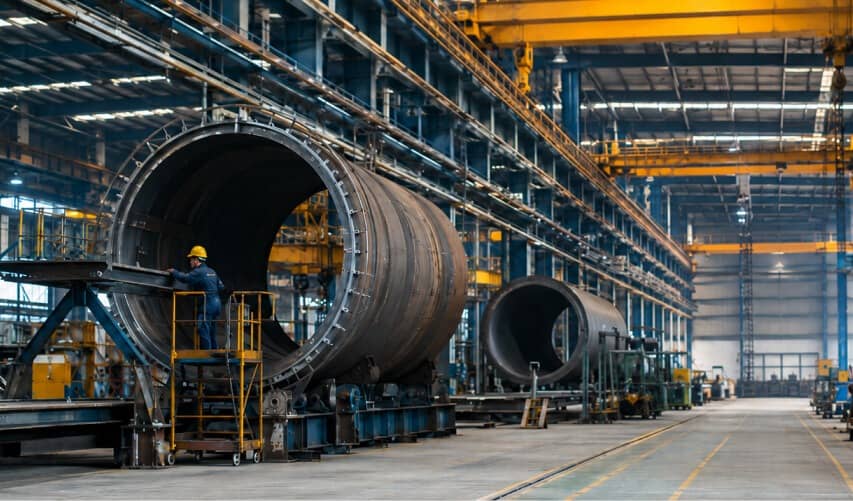 InfrastructureThe engineering base behind Macawber Beekay green coal: Noida headquarters, Keshwana works with manufacturing, painting and testing, and 1500+ installations.
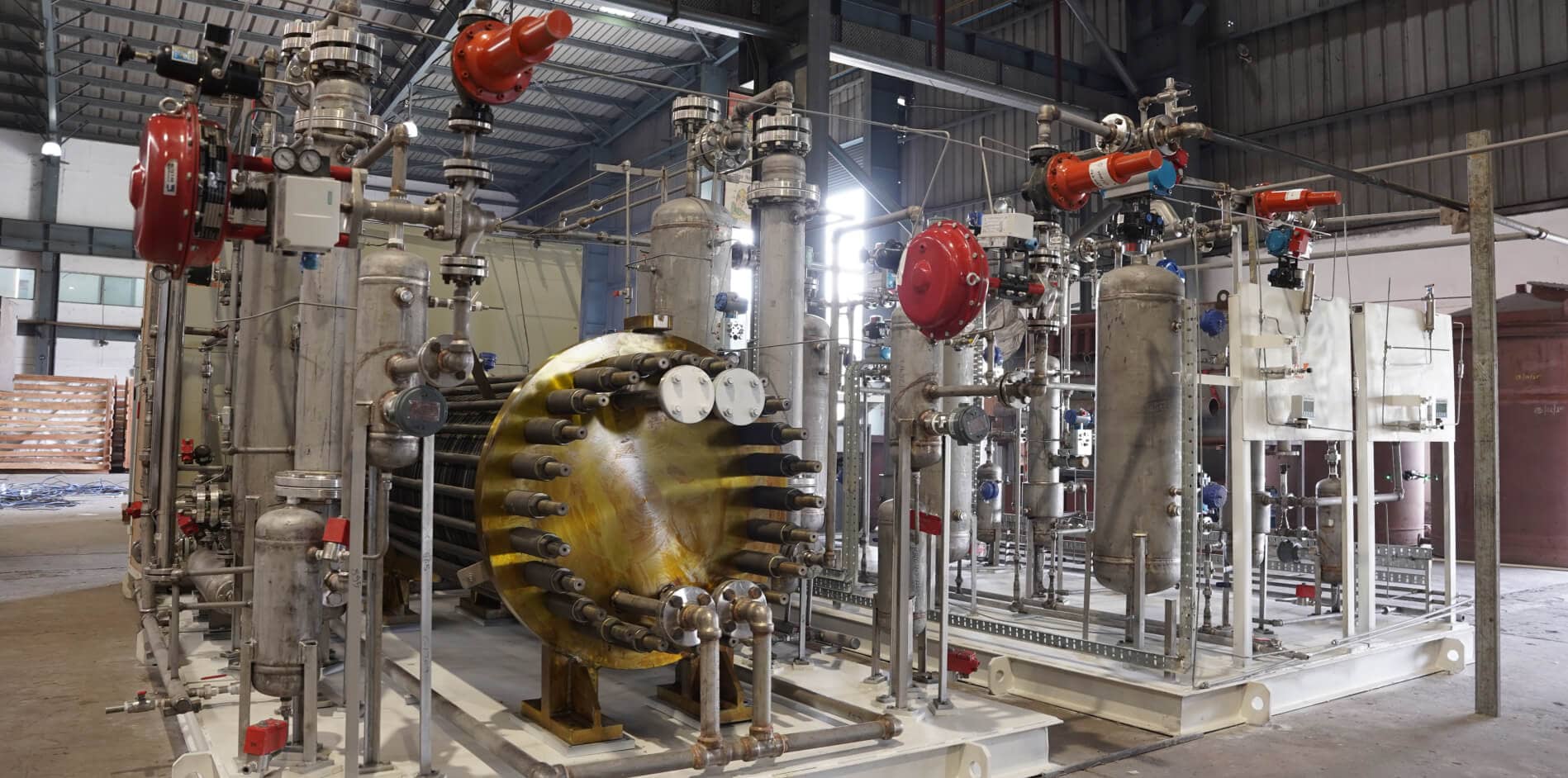 Electrolyzer and green hydrogenMacawber Beekay manufactures electrolyzers that split water into hydrogen and oxygen using renewable power, producing green hydrogen for industrial use.
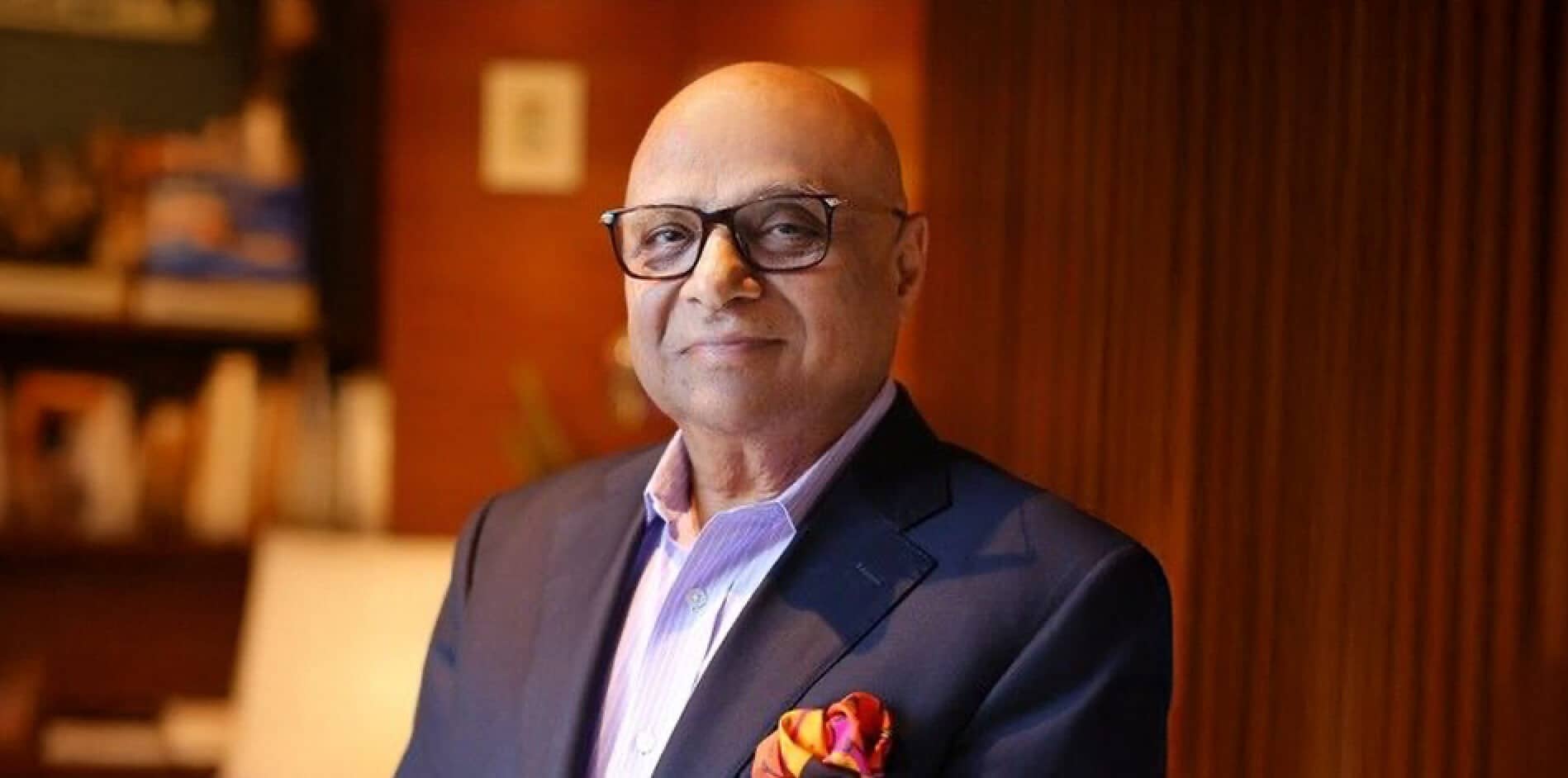 Chairman's messageChairman and Managing Director Ajay Kumar Gupta on Macawber Beekay's next chapter: material handling, waste-to-green coal, green hydrogen and defence.
Talk to our engineers.
Planning a green coal project, or upgrading one? Our engineering team in Noida is ready to help.
