
Waste to Energy: A Sustainable Solution to India's Growing Waste Problem
How waste to energy tackles India's 62 million tonnes of solid waste a year, the government support behind it, and Macawber Beekay's waste-to-coal plants.
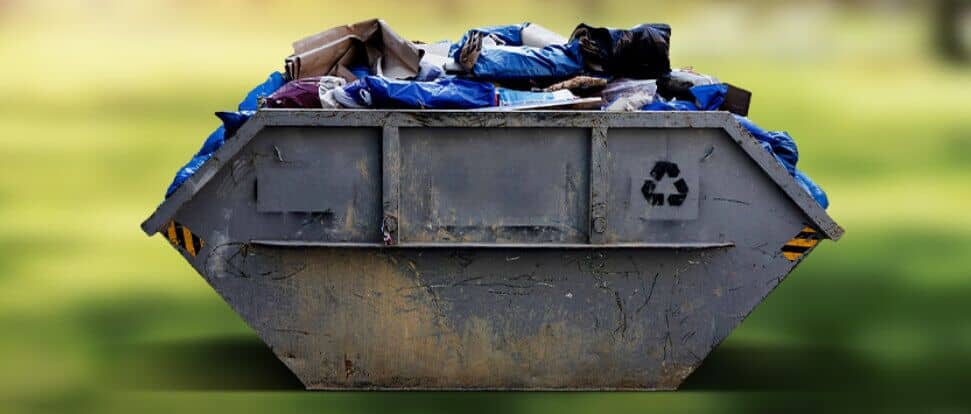
India, like many other nations, is struggling with a serious waste management issue. Each year, the nation produces more than 62 million tonnes of solid waste, a number that is predicted to double by 2030. Inadequate waste management endangers the environment and jeopardizes public health. Waste to energy (WTE), however, is emerging as a workable solution to address the waste problem and produce renewable energy in the wake of rising sustainability awareness. In the WTE process, municipal solid waste (MSW) or biomass is burned to produce energy in the form of electricity or heat. The procedure entails sorting and separating the waste, then turning the organic material into a fuel source, like biogas, that is then used to power various devices.
The Indian government has taken several initiatives to promote WTE as a sustainable solution to the waste problem. The Swachh Bharat Mission, launched in 2014, aims to make India clean by eliminating open defecation and managing solid waste effectively. Under this mission, the government has allocated funds for the construction of WTE plants across the country. The Ministry of New and Renewable Energy (MNRE) has also launched a program to promote the use of renewable energy, including WTE.
Macawber Beekay: Helping Companies Reach Their Sustainability Goals
Macawber Beekay, a leading turnkey solution provider for power companies, is helping its customers reach their sustainability goals by offering solutions for WTE. The company provides customized solutions for the conversion of municipal waste into charcoal. This type of plant is sometimes called a waste-to-coal, municipal waste conversion, carbon capture, or resource recovery plant.
Waste-to-coal is being increasingly looked at as an alternative to conventional coal which is a Fossil fuel. The biggest advantage is the utilization of Waste into the conversion of energy without depleting the carbon-loaded fossil fuel. Thus, saving natural resources and solving the eco-social issue by disposing of municipal waste.
Uses of Waste To Energy
The energy generated from WTE plants can be used for a variety of purposes, including:
- Electricity Generation: The energy generated from WTE plants can be used to generate electricity, which can be used for industrial, commercial, or residential purposes.
- District Heating: The residual heat generated from WTE plants can be used for district heating, which is a sustainable solution for heating buildings.
- Industrial Processes: The energy generated from WTE plants can be used for industrial processes, reducing the reliance on fossil fuels and promoting sustainable practices.
- Cooking: In many rural areas in India, biomass stoves are commonly used for cooking. The use of biomass as a fuel source for cooking reduces the reliance on fossil fuels and promotes sustainability. WTE can be used to generate biogas, which can be used as a fuel source for cooking.
- Transportation: The energy generated from WTE can be used to power vehicles, reducing the reliance on fossil fuels and promoting sustainability. For example, in Bangalore, a bus that runs on biogas generated from food waste was launched in 2016.
- Agriculture: The residual ash generated from WTE can be used as a soil conditioner for increasing crop yield, and promoting sustainable agriculture practices. This not only reduces the need for chemical fertilizers but also helps in managing waste in a sustainable way.
- Greenhouses: The residual heat generated from WTE plants can be used for heating greenhouses, promoting sustainable agriculture practices. For example, in Tamil Nadu, the residual heat from a WTE plant is being used to heat greenhouses for vegetable cultivation.
- Water Heating: The residual heat generated from WTE plants can be used for water heating, reducing the reliance on fossil fuels and promoting sustainability. For example, in Kerala, the residual heat from a WTE plant is being used to heat water for a community swimming pool. This approach helps in reducing the carbon footprint and provides an economical solution for water heating. It is a win-win situation for both the environment and the community.
These instances highlight the various applications of waste to energy, promoting sustainability in several economic sectors and providing an eco-friendly response to India’s expanding waste issue. Companies can gain from a variety of factors, such as cost savings, waste reduction, and renewable energy. With support and impetus given by the Indian government to advance WTE, firms like Macawber Beekay are judiciously assisting organizations in achieving their sustainability objectives.
Questions this answers
What is a waste-to-coal plant?
A waste-to-coal plant converts municipal waste into charcoal; Macawber Beekay provides customised plants of this kind as a waste-to-energy solution. Such plants are also called municipal waste conversion, carbon capture or resource recovery plants. Their main advantage is turning waste into energy without depleting carbon-loaded fossil fuel, saving natural resources while disposing of municipal waste.
Systems discussed
- Green coalWaste to green coal: Macawber Beekay turns municipal solid waste into carbon-neutral green coal by torrefaction, with capacity of up to 600 T/day of waste.
- Process and technologyHow a waste-to-coal plant works: municipal solid waste is segregated, torrefied in an oxygen-deficient reactor, and the charcoal pelletised into green coal.
- About usMacawber Beekay is a fully Indian-owned EPC company for ash, coal and bulk material handling, established in 1986, with group roots in 1918, and works at Keshwana and Kasna.
More from our engineers
- Coal Handling System for Power Plants: Macawber Beekay's EPC ExpertiseHow a power plant coal handling system works, from wagon tippler or track hopper unloading through crushing, stacking and reclaiming to bunker feeding.
- Different Types of Bottom Ash Handling Systems ExplainedWet jet pumping, semi-dry submerged scraper chain conveyor (SSCC), dry mechanical and dense phase pneumatic bottom ash handling compared on water use and fit.
- Pneumatic Ash Handling System for CFBC Boilers: How It Handles Bed Ash and Fly AshWhy dense phase pneumatic conveying suits CFBC and AFBC bed ash and fly ash, the key design points, and the 2 x 300 TPH CFBC boiler project at HMEL Bhatinda.
Talk to our engineers.
Planning a new plant or upgrading one? Our engineering team in Noida is ready to help.
