
Green coal process and technology
The green coal process turns municipal solid waste into coal-like pellets by torrefaction: the waste's combustible fraction is heated in a reactor at preset temperature and pressure without enough oxygen to burn, leaving an energy-dense charcoal.
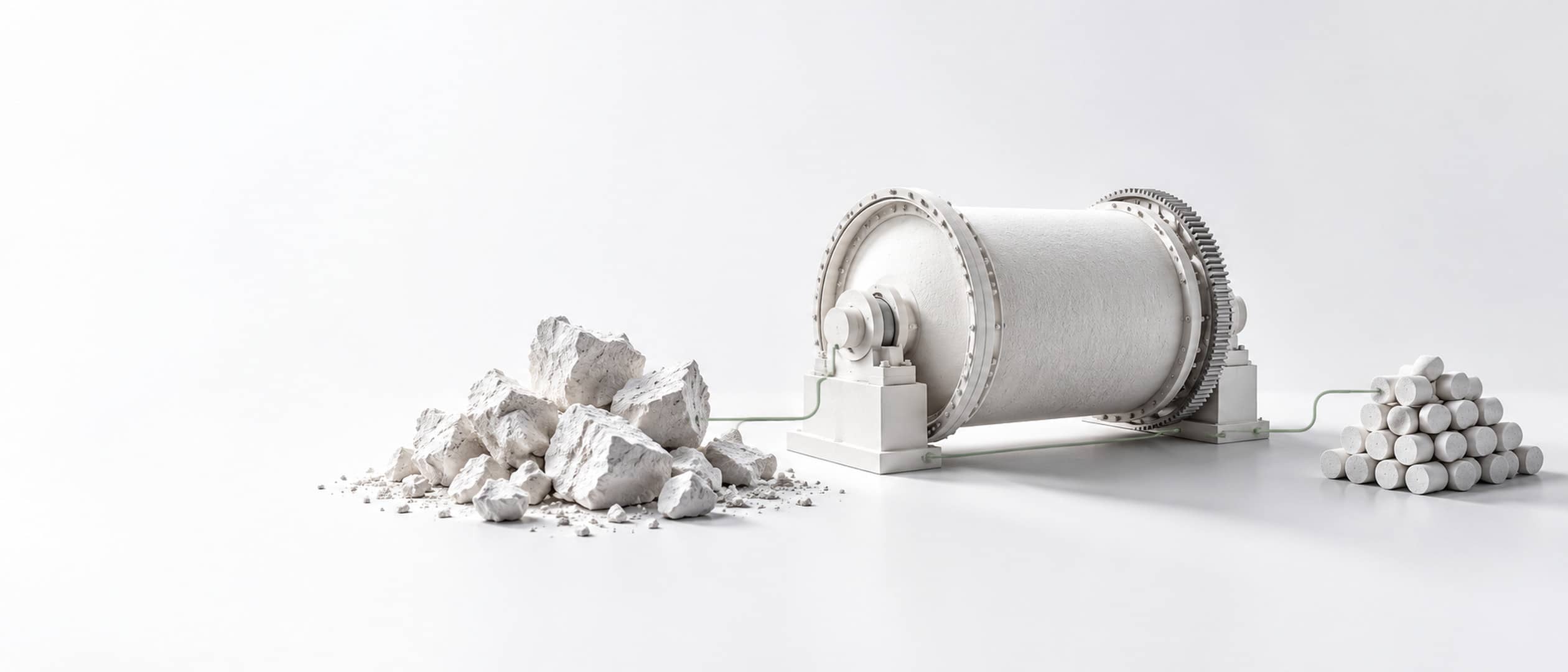
Macawber Beekay's waste-to-coal (WTC) facility receives the waste, segregates and shreds it, torrefies it in a self-heated reactor, and converts the charcoal into dried pellets ready for boilers and industry.
Why municipal solid waste needs processing
Limits on fossil fuels, driven by depleting reserves and greenhouse gas emissions, have created demand for a clean and sustainable energy source. Municipal solid waste (MSW) is one candidate, and untreated it is an environmental hazard. But its low energy density, high moisture content, irregular shape and size, and heterogeneity make it difficult to use as fuel in its natural form.
Waste to coal (WTC)
A waste-to-coal plant turns municipal solid waste, often called garbage or trash, into charcoal of high calorific value by torrefaction. The charcoal is converted into coal pellets that can be burned in boilers along with regular coal to raise steam for electricity generation, or used in industries in place of conventional coal or wood.
Such a plant is a waste management facility as much as a fuel plant, and is also called a municipal waste conversion, energy recovery or resource recovery plant. Its main advantage is that it converts waste into energy without depleting carbon-loaded fossil fuel, saving natural resources while disposing of municipal waste.
One of our chemical engineers explains the process from waste to fuel:
How municipal waste becomes green coal
Bharat Kumar, Chemical Engineer
Why urban waste is a problem, and how the process turns it into a solid fuel, explained by one of our chemical engineers.
The torrefaction reactor
MSW contains energy-rich materials such as paper, plastics, yard waste and wood products. Removing the inert material leaves these as the segregated combustible fraction (SCF), which is torrefied in the reactor under preset temperature and pressure zones and oxygen-deficient conditions, set according to the feedstock and the desired product.
The output is bio-coal, with properties similar to fossil carbon:
- increased energy density;
- decreased oxygen-to-carbon ratio;
- improved grindability;
- improved handling and storage properties.
Gases produced during torrefaction heat the reactor, so it runs without auxiliary fuel during normal operation.
Plant facilities
Waste receiving and unloading
The waste receiving shed includes a fully covered truck unloading area and a waste pit with adequate storage capacity. Loaded trucks are weighed at the weighbridge on arrival. Air handling units ventilate the unloading area and control odour, the whole facility is closed under negative draft from the ventilation system, and methane sensors in the pit detect accumulation of flammable gas.
Waste conversion
A waste grab crane mounted on an EOT crane mixes and picks waste in the pit and carries it to the feeding hopper, on an automatic feed cycle controlled through a PLC. The conversion section consists of the shredder, the SCF hopper, and the reactor with its auxiliaries.
Torrefaction and pelletising
SCF from the shredder is fed to the reactor drum, which converts it to charcoal. The charcoal is cooled before discharge, then passes through the pellet section of sieve, mixer and pelletiser. Dry charcoal pellets help a boiler attain better efficiency when co-firing.
Auxiliary systems
Last reviewed
Waste-to-coal facility
| Feedstock | Municipal solid waste (MSW) |
|---|---|
| Reactor feed | Segregated combustible fraction (SCF) |
| Technology | Torrefaction: thermochemical, oxygen-deficient |
| Reactor heating | Process gases; no auxiliary fuel in normal operation |
| Waste feeding | Grab crane on EOT crane, PLC-controlled feed cycle |
| Pellet line | Sieve, mixer, pelletiser, continuous tray dryer, pellet silo |
| Receiving shed | Fully enclosed, negative draft, odour control, methane sensors |
Talk to our engineers
Our team in Noida answers enquiries on process and technology.
Get in touch+91 120 450 7700At the plant
How it works, stage by stage
Receive and weigh the waste
Tipper trucks and compactors from the municipal corporation or other agencies are weighed at the weighbridge and unload into the covered receiving shed and waste pit.
Mix and feed
A grab crane mounted on an EOT crane mixes the waste in the pit and carries it to the feeding hopper, on an automatic feed cycle controlled by a PLC.
Shred to SCF
Inert material is removed and the shredder discharges the segregated combustible fraction (SCF) into the SCF hopper, from where it is fed to the reactor as required.
Torrefy in the reactor
The reactor drum heats the SCF within a preset temperature range under oxygen-deficient conditions, converting it to charcoal, which is cooled before discharge.
Sieve, mix and pelletise
The charcoal is cleaned on a sieve, mixed with exact proportions of binder and water, and fed to a pelletising machine.
Dry, store and dispatch
Moist pellets are dried in a continuous tray dryer to the desired moisture level, stored in the pellet silo and loaded into delivery trucks.
Questions buyers ask
What is torrefaction?
Torrefaction is a thermochemical process conducted in an oxygen-deficient zone. In Macawber Beekay's waste-to-coal facility the combustible fraction of municipal solid waste is treated at preset temperature and pressure, with conditions set by the feedstock and the product required. The output has higher energy density, a lower oxygen-to-carbon ratio, better grindability and better handling and storage properties.
What is the segregated combustible fraction (SCF)?
The SCF is the energy-rich part of municipal solid waste (paper, plastics, yard waste and wood products) that remains once inert material is removed. In the plant it is the material discharged by the shredder into the SCF hopper, and it is the feed for the torrefaction reactor.
Does the green coal reactor need external fuel?
No, not in normal operation. The gases produced during torrefaction are used to heat the reactor, which makes it a self-sustained system that needs no auxiliary fuel for heating once running. Production therefore relies on the volatile gases released from the municipal solid waste itself rather than on bought-in fuel.
How are odour and gas controlled in the waste receiving area?
The receiving shed is fully covered and completely closed, with a negative draft created by the ventilation system. Air handling units ventilate the unloading area and control odour, and methane sensors in the waste pit detect any build-up of flammable gas.
Continue reading.
 Green coalWaste to green coal: Macawber Beekay turns municipal solid waste into carbon-neutral green coal by torrefaction, with capacity of up to 600 T/day of waste.
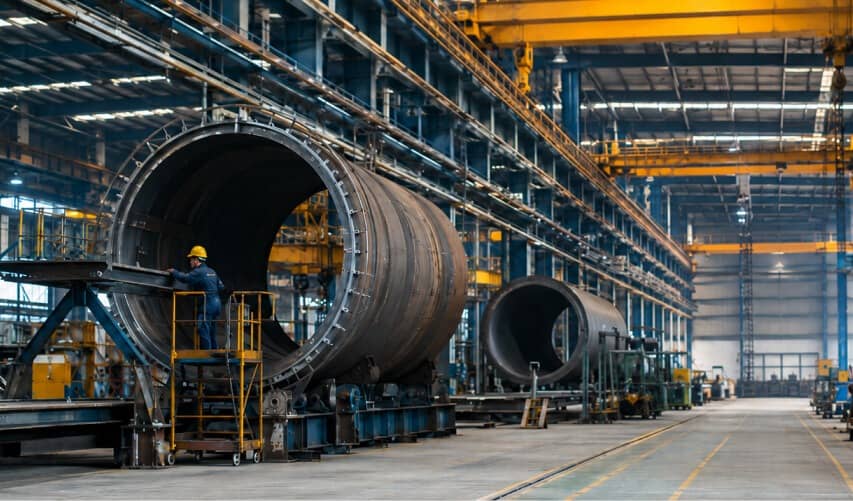 InfrastructureThe engineering base behind Macawber Beekay green coal: Noida headquarters, Keshwana works with manufacturing, painting and testing, and 1500+ installations.
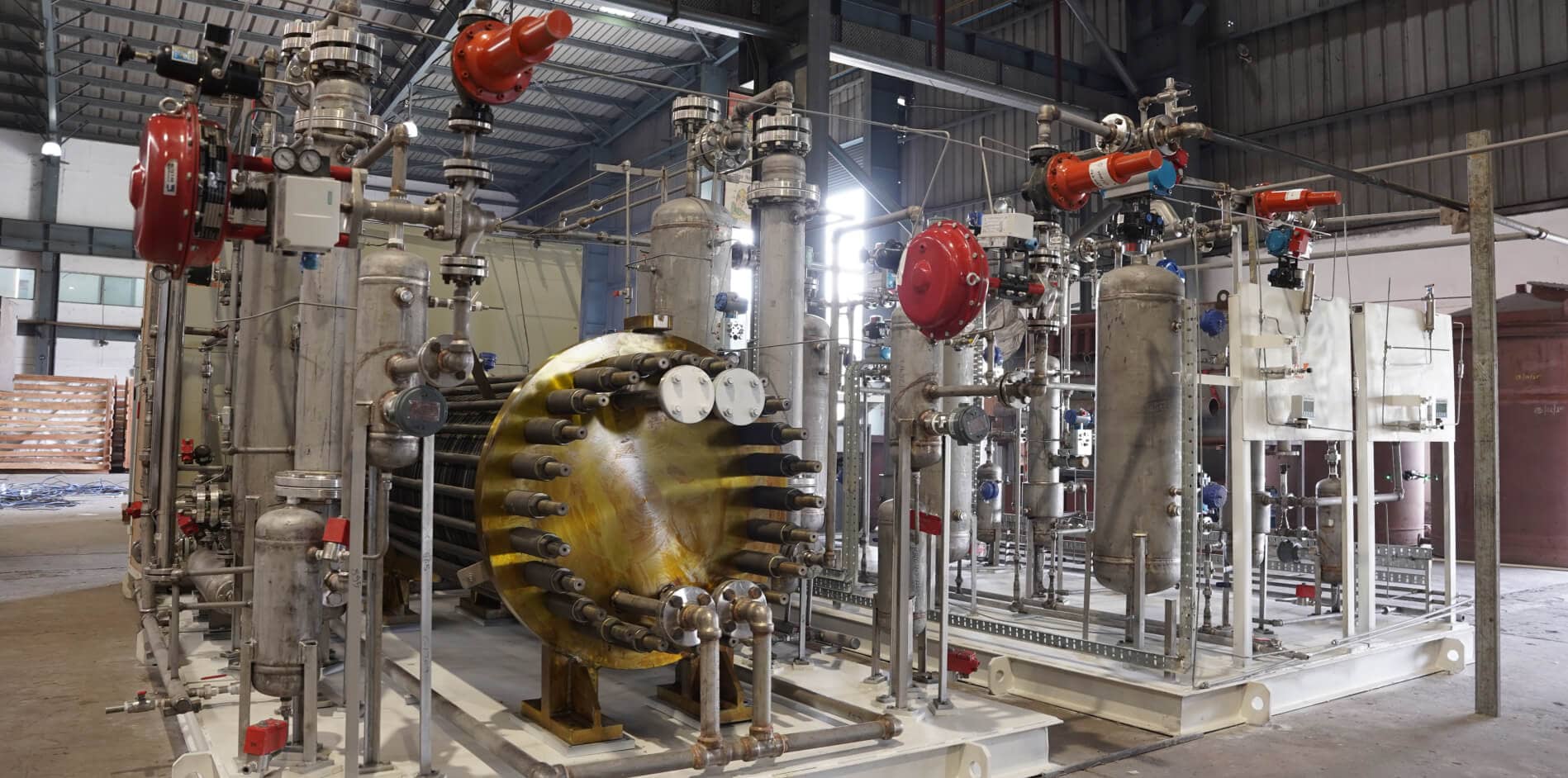 Electrolyzer and green hydrogenMacawber Beekay manufactures electrolyzers that split water into hydrogen and oxygen using renewable power, producing green hydrogen for industrial use.
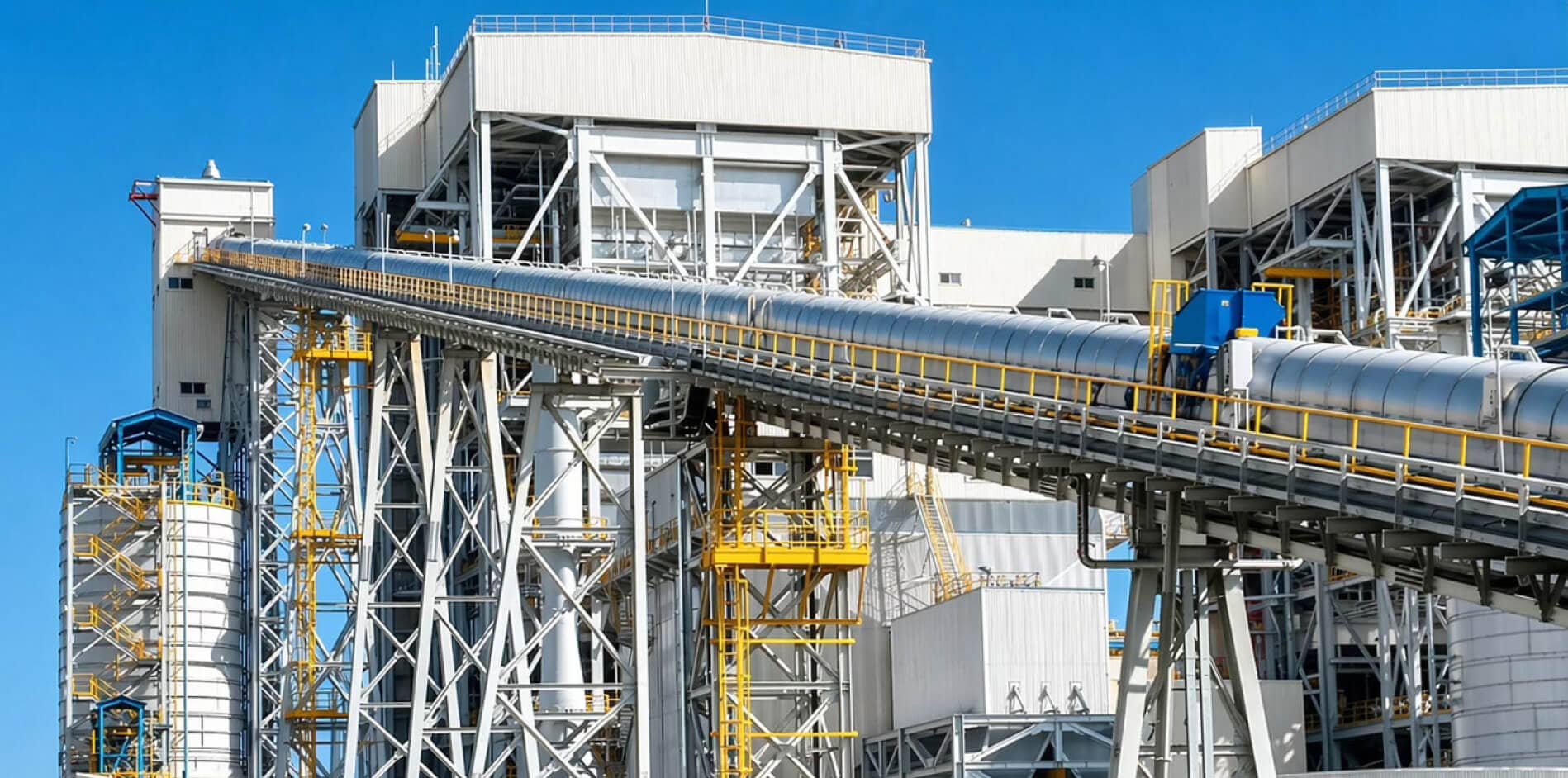 Bulk material handlingBulk material handling: dense phase pneumatic conveying of cement, raw meal, limestone, sand and dusts, plus mechanical fly ash systems for cement plants.
Talk to our engineers.
Planning a process and technology project, or upgrading one? Our engineering team in Noida is ready to help.
