
What Equipment Is Used in a Coal Handling Plant?
Main coal handling plant equipment: belt conveyors, crushers, vibrating screens, feeders, dust collectors, stackers, reclaimers and magnetic separators.
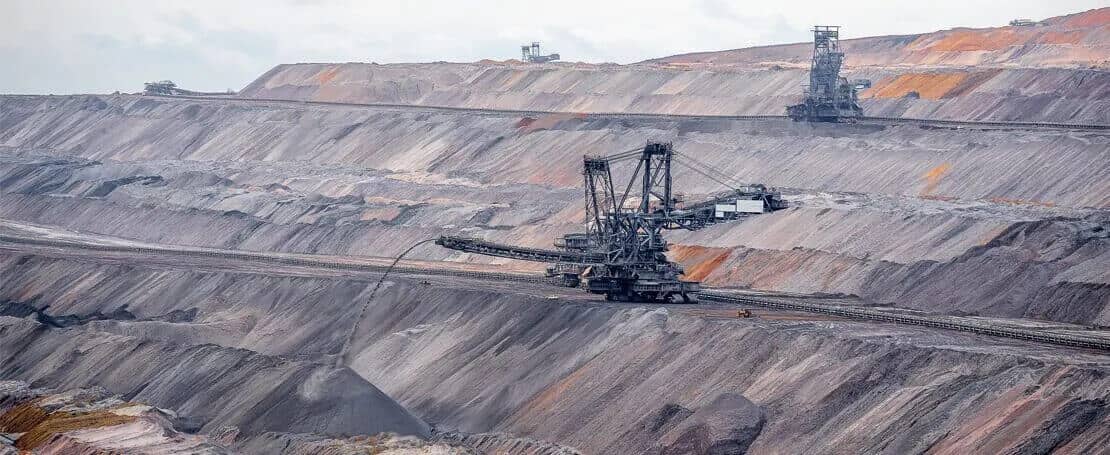
As the demand for energy continues to soar, coal remains a dominant source of power generation worldwide. The coal handling plant is a crucial point in the supply chain where the raw coal is managed and prepared for further processing. Selecting the right equipment is a matter of efficiency and safety.
Before reaching the power plants, coal undergoes several stages of handling. Initially, it is mined and processed at the extraction site, then transported to the coal handling plant. Here, the coal is categorized, crushed, screened, and stored before it is fed to the boiler furnaces. This process comprises several stages of handling, each requiring specialized equipment to ensure smooth operations.
Different Types of Equipment in Coal Handling Plant
Belt Conveyors:
Belt conveyors are the most fundamental pieces of equipment in a coal handling facility. They’re used to handle bulk coal from one part of the plant to another and come in many types, including roller, troughed, pipe, and telescopic.
Crushers:
Crushers are machines that break down large pieces of coal into smaller ones. They work by reducing the size of the coal particles so that they can be more easily handled or processed. Hammer mills, roll crushers, sizers, and impactors are common crushers used in coal handling plants.
Vibrating Screens:
Vibrating screens are used to separate different grades of coal by size. They work by vibrating the screen so that larger particles can be separated out from smaller ones, allowing for a more efficient use of the facility’s resources.
Pneumatic Systems:
Pneumatic systems are sometimes used to ensure that coal is moved safely and efficiently throughout the entire plant. These systems use compressed air to push coal through pipelines, allowing it to move quickly and without interruption.
Dust Collectors:
Dust collectors are important for keeping the environment clean at a coal handling plant. They work by collecting dust particles from the air and preventing them from entering other facility parts. This helps keep workers safe and prevents any potential damage to the environment.
Feeders:
Feeders are machines that help to regulate the flow of coal into other parts of the facility. They can be used to control the amount and speed at which coal is fed into different pieces of equipment, ensuring that it moves smoothly and without interruption.
Stackers and Reclaimers:
Stackers and reclaimers are machines used to store coal. Stackers move coal onto piles, while reclaimers move it from the piles into other parts of the facility—both types of equipment help to keep a steady flow of coal moving throughout the entire plant.
Magnetic Separators:
Magnetic separators are devices that help to separate out magnetic materials from coal. This helps ensure that the coal is of high quality and free of contaminants before being fed into other processes.
Benefits of using the right equipment
Improved efficiency and productivity
Having the right equipment to handle coal will help ensure efficiency throughout the entire plant. This, in turn, can lead to improved productivity and cost savings.
Increased safety and reliability
Using proper coal handling equipment helps ensure that workers are kept safe from the potential dangers associated with coal mining and processing.
Reduced operating costs
Having the right equipment helps reduce operating costs by minimizing the amount of energy and other resources needed to process coal. This, in turn, can result in a more cost-effective operation.
Improved environmental performance
Using the right coal handling equipment also helps minimize environmental impacts. This can go a long way in helping a plant meet its sustainability goals and remain compliant with local regulations.
Investing in the right types of coal-handling equipment ensures that your facility can operate safely, efficiently, and reliably. With this system in place, you can minimize costs and maximize productivity.
Conclusion
Harnessing the power of coal effectively relies on the sophisticated equipment used in coal handling plants. As technology evolves, we anticipate seeing even more advanced machinery taking center stage, ensuring higher efficiency and safety standards.
At MBL, we are committed to fostering advancements in the coal industry by offering state-of-the-art equipment and solutions. Visit our website to explore our range of services catering to the ever-evolving coal-handling sector needs. Let’s forge a future where coal handling is synonymous with safety, efficiency, and environmental responsibility.
Questions this answers
What equipment is used in a coal handling plant?
The article lists belt conveyors, including roller, troughed, pipe and telescopic types; crushers such as hammer mills, roll crushers, sizers and impactors; vibrating screens that separate coal by size; pneumatic systems; dust collectors; feeders that regulate coal flow; stackers and reclaimers that build and recover stockpiles; and magnetic separators that remove magnetic contaminants from the coal.
Systems discussed
- Coal handlingTurnkey coal and lime handling plants: wagon tipplers, track hoppers, feeders, crushers, screens, stacker-reclaimers, and civil, structural, electrical works.
- Spare partsGenuine OEM spare parts for Macawber Beekay ash and material handling systems, including Dome Valves, made on CNC and robotic machines and held in stock.
- Bulk material handlingBulk material handling: dense phase pneumatic conveying of cement, raw meal, limestone, sand and dusts, plus mechanical fly ash systems for cement plants.
More from our engineers
- Coal Handling System for Power Plants: Macawber Beekay's EPC ExpertiseHow a power plant coal handling system works, from wagon tippler or track hopper unloading through crushing, stacking and reclaiming to bunker feeding.
- Different Types of Bottom Ash Handling Systems ExplainedWet jet pumping, semi-dry submerged scraper chain conveyor (SSCC), dry mechanical and dense phase pneumatic bottom ash handling compared on water use and fit.
- Pneumatic Ash Handling System for CFBC Boilers: How It Handles Bed Ash and Fly AshWhy dense phase pneumatic conveying suits CFBC and AFBC bed ash and fly ash, the key design points, and the 2 x 300 TPH CFBC boiler project at HMEL Bhatinda.
Talk to our engineers.
Planning a new plant or upgrading one? Our engineering team in Noida is ready to help.
