
What Is the Capacity of a Coal Handling Plant?
What coal handling plant capacity means, the factors that affect it (coal type, size, moisture, conditions), design vs actual capacity, and how to raise it.
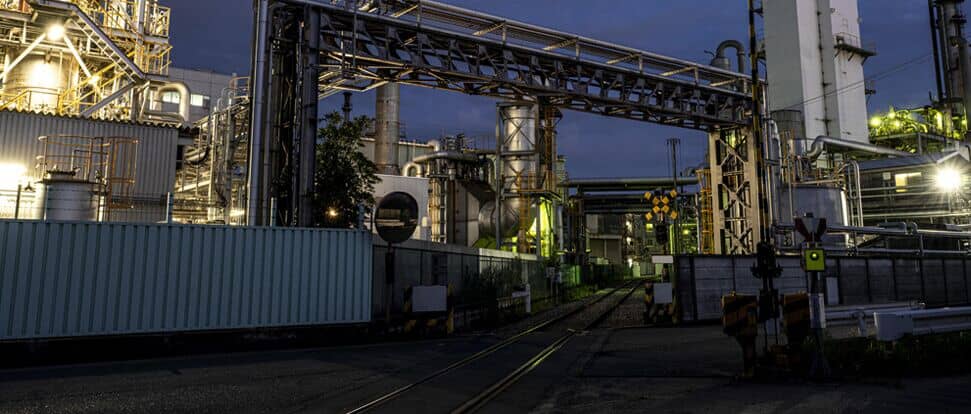
Coal handling plants are essential components of power generation plants that deal with coal, from its reception to transportation, preparation, and storage. However, a common question that arises in the mind of every individual associated with the coal-fired power generation sector is the capacity of the coal-handling plant. Understanding the ability of the coal handling plant is crucial in ensuring power plants’ smooth and efficient operation.
The capacity of the coal handling plant depends not only on the plant’s size but also on the type of equipment installed and the quality of coal being used. Lack of knowledge about the capacity of the coal handling plant can lead to operational issues, downtime, and, ultimately, a decrease in power generation capacity.
In this blog, we will discuss in detail the capacity of the coal handling plant and its significance in the power generation sector. Whether you are a plant operator, maintenance personnel, or a person associated with coal procurement, this blog will provide valuable insights into the capacity of the coal handling plant and its importance.
The Capacity of a Coal Handling Plant
The capacity of a Coal Handling Plant refers to the maximum amount of coal that the plant can process or handle within a specified period. It is essential to consider while designing or upgrading a coal handling plant.
Factors Affecting the Capacity of a Coal Handling Plant
Several factors can affect the capacity of a Coal Handling Plant. Some of the most common factors are:
- Type of coal
- Size of coal
- Calorific value of coal
- The moisture content of coal
- Environmental conditions
The type and size of coal determine the amount of space required for storage, transportation, and processing. Moisture content affects the heating value of coal, and environmental conditions like temperature and humidity can impact the handling and processing of coal.
Calculation of the Capacity of a Coal Handling Plant
The capacity of a Coal Handling Plant can be calculated in two ways:
- Design capacity: The maximum capacity for which the plant was designed.
- Actual capacity is the amount of coal the plant can handle in a given period.
Importance of knowing the capacity of a Coal Handling Plant
Knowing the capacity of a Coal Handling Plant is crucial for efficient operation and planning. It helps in the following:
- Optimizing the plant’s performance and productivity.
- Planning the transportation and storage of coal.
- Estimating the amount of coal that can be processed in a specific period.
- Designing the plant layout and equipment.
The capacity of Macawber Beekay
Macawber Beekay is a leading turnkey solution provider for pneumatic conveying systems and bulk solid material handling systems. Their state-of-the-art manufacturing facility can produce high-quality equipment meeting domestic and international quality standards.
Macawber Beekay offers customized solutions based on the specific needs of its clients, ensuring the highest level of efficiency, safety, and reliability. With a team of experienced professionals and advanced technology, Macawber Beekay has successfully executed numerous projects across various industries. You can trust Macawber Beekay to deliver a high-capacity, efficient, cost-effective coal handling plant tailored to your unique requirements.
Types of Coal Handling Plants
- Small Coal Handling Plants: These plants are designed for handling coal at up to 50 tons per hour capacity. They are suitable for small industries, such as brick kilns and tea factories.
- Medium Coal Handling Plants: These plants are designed for handling coal up to 500-1000 tons per hour capacity. They are suitable for medium industries, such as textile mills, cement factories, etc.
- Large Coal Handling Plants: These plants are designed for handling coal of 1500-3500 tons per hour capacity. They are suitable for large industries like power plants, steel mills, etc.
Capacity Enhancement of a Coal Handling Plant
With the advancement of technology, various capacity enhancement techniques have been developed, which have proved beneficial for coal-handling plants.
Here are some capacity enhancement techniques:
- Addition of new equipment: Adding new equipment to the coal handling plant can increase its capacity.
- Upgradation of existing equipment: Upgrading the existing equipment can also enhance the plant’s capacity, making it more efficient and productive.
- Automation of the process: Automation of the coal handling process can also help in capacity enhancement.
Capacity enhancement of coal handling plants has several benefits, including:
- Increased efficiency: Capacity enhancement can improve the efficiency of the coal handling plant, resulting in increased productivity and reduced operating costs.
- Reduced downtime: With increased capacity, the plant can handle more coal, reducing downtime caused by overloading.
- Cost savings: Capacity enhancement can help reduce the overall cost of coal handling, resulting in cost savings.
Maintenance of Coal Handling Plant for Optimum Capacity
Maintaining a coal handling plant is crucial for ensuring the plant’s optimum capacity and avoiding downtimes. Neglecting maintenance can lead to many problems, including reduced efficiency, increased downtime, and higher operating costs.
Here are some maintenance techniques to ensure optimum capacity:
- Regular cleaning and inspection of the plant’s components
- Lubrication of moving parts to prevent wear and tear
- Replacement of worn-out parts as needed
Poor maintenance can have a significant impact on the capacity of a coal-handling plant.
For example, if the conveyor belts are not properly maintained, they may not function correctly, leading to delays in moving coal from one place to another. Similarly, if the crushers are not maintained, they may not work efficiently, leading to reduced output and higher energy costs.
Conclusion
The capacity of a Coal Handling Plant is a crucial factor that affects its efficiency and performance. Various factors like coal type, size, moisture content, and environmental conditions impact the capacity of a Coal Handling Plant. It is important to calculate and enhance the capacity of a Coal Handling Plant to achieve optimal performance.
Regular maintenance techniques like cleaning, lubrication, and replacing worn-out parts can help maintain the optimum capacity of a Coal Handling Plant. Overall, by understanding the capacity of a Coal Handling Plant and implementing appropriate maintenance and enhancement techniques, it is possible to improve its efficiency, reduce downtime, and achieve cost savings.
Questions this answers
What determines the capacity of a coal handling plant?
Capacity is the maximum amount of coal a plant can process or handle in a specified period. It depends on plant size, the equipment installed and the coal being used. The article lists coal type, size, calorific value, moisture content and environmental conditions such as temperature and humidity, and distinguishes design capacity, the maximum the plant was designed for, from actual capacity.
Systems discussed
- Coal handlingTurnkey coal and lime handling plants: wagon tipplers, track hoppers, feeders, crushers, screens, stacker-reclaimers, and civil, structural, electrical works.
- O&MOEM operation and maintenance of Macawber Beekay ash and material handling plants: 24x7 operation, single-source accountability, short or long-term terms.
- Spare partsGenuine OEM spare parts for Macawber Beekay ash and material handling systems, including Dome Valves, made on CNC and robotic machines and held in stock.
More from our engineers
- Coal Handling System for Power Plants: Macawber Beekay's EPC ExpertiseHow a power plant coal handling system works, from wagon tippler or track hopper unloading through crushing, stacking and reclaiming to bunker feeding.
- Different Types of Bottom Ash Handling Systems ExplainedWet jet pumping, semi-dry submerged scraper chain conveyor (SSCC), dry mechanical and dense phase pneumatic bottom ash handling compared on water use and fit.
- Pneumatic Ash Handling System for CFBC Boilers: How It Handles Bed Ash and Fly AshWhy dense phase pneumatic conveying suits CFBC and AFBC bed ash and fly ash, the key design points, and the 2 x 300 TPH CFBC boiler project at HMEL Bhatinda.
Talk to our engineers.
Planning a new plant or upgrading one? Our engineering team in Noida is ready to help.
