
Ash Handling Technology: The Latest Innovations
Why ash handling needs innovation, the three main technologies (pneumatic, mechanical, hybrid), and the efficiency, safety and environmental gains they bring.
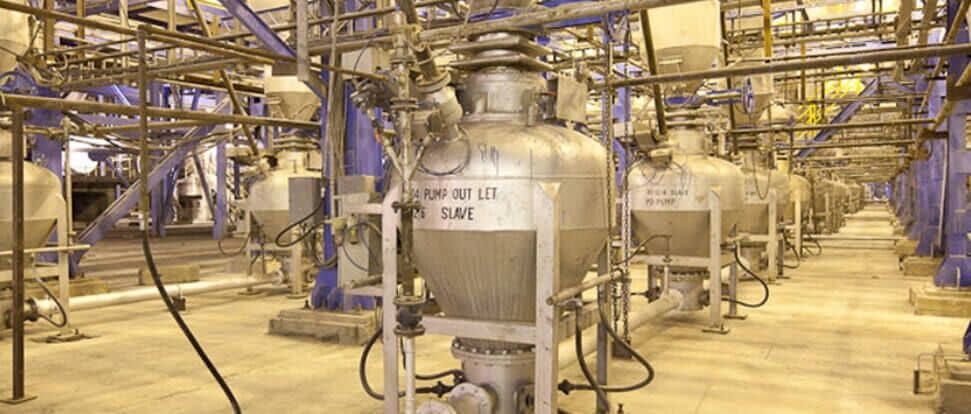
The limitations of traditional ash handling methods have paved the way for developing cutting-edge technologies and solutions. Today, innovative systems such as dense phase pneumatic conveying, vacuum conveying, and hybrid ash handling systems transform how ash is collected, transported, and disposed of.
In the following sections, we will delve deeper into the latest ash-handling technology innovations, exploring their features, benefits, and real-world application examples. Discover how these advancements revolutionize the ash handling landscape, offering enhanced efficiency, safety, and environmental compliance.
The Need for Innovation in Ash Handling Technology
In today’s rapidly evolving industrial landscape, the need for innovation in ash handling technology has become paramount. Traditional methods of ash handling are needed to meet the demands of modern industries. Let’s explore the key reasons driving the need for innovation in this critical field.
Increasing environmental regulations and sustainability concerns:
As environmental regulations become stricter, industries are pressured to reduce their environmental footprint. Ash generated from various processes, such as coal combustion or biomass incineration, often contains hazardous substances that must be properly managed. Innovative ash handling technology ensures compliance with regulations, prevents pollution, and minimizes the impact on ecosystems.
Enhanced operational efficiency and cost-effectiveness:
Efficiency and cost-effectiveness are essential factors in any industry. Traditional ash handling methods can be labor-intensive, time-consuming, and prone to inefficiencies. Innovation in ash handling technology offers automated systems, advanced material handling techniques, and optimized processes that enhance operational efficiency. By streamlining ash handling operations, businesses can reduce downtime, minimize maintenance costs, and improve overall productivity.
Types of Ash Handling Technologies
The three main types of ash handling technologies are:
- Pneumatic ash handling systems use compressed air to transport ash through pipes. These systems are typically used for fly ash, fine-grained ash produced when coal is burned in a boiler.
- Mechanical ash handling systems use conveyor belts, bucket elevators, or other mechanical devices to transport ash. These systems are typically used for bottom ash, coarser-grained ash produced at the bottom of a boiler.
- Hybrid ash handling systems combine pneumatic and mechanical ash handling technologies. These systems are typically used for large power plants that generate significant ash.
Benefits of the Latest Ash Handling Technologies
The latest ash handling technologies offer several benefits, including:
- Increased efficiency: The latest ash handling technologies can help improve the efficiency of ash handling operations, leading to reduced operating costs.
- Reduced emissions: The latest ash handling technologies can help reduce ash emissions, improving air quality and reducing the risk of respiratory problems.
- Improved safety: The latest ash handling technologies can help to improve safety by reducing the risk of ash fires and explosions.
- Lower operating costs: The latest ash handling technologies can help reduce operating costs by reducing the need for manual labor and improving the efficiency of ash handling operations.
- Environmental sustainability: The latest ash handling technologies can help to improve environmental sustainability by reducing waste disposal costs and by recovering valuable materials from ash.
Conclusion
The latest innovations in ash-handling technology have revolutionized the way industries handle and manage ash, addressing the limitations and challenges of traditional methods. This blog has explored cutting-edge solutions such as dense phase pneumatic conveying, vacuum conveying, and hybrid ash handling systems, which offer enhanced efficiency, improved safety, and increased environmental compliance.
Macawber Beekay, a leader in the field, has played a pivotal role in driving these advancements. Their expertise and commitment to innovation have propelled the development of state-of-the-art ash handling solutions, catering to the diverse needs of industries worldwide. By partnering with Macawber Beekay, businesses can benefit from optimized operational processes, reduced maintenance, and enhanced productivity.
Questions this answers
What are the three main types of ash handling technology?
Pneumatic systems use compressed air to move ash through pipes and are typically used for fine fly ash. Mechanical systems use conveyor belts, bucket elevators or other mechanical devices and are typically used for coarser bottom ash. Hybrid systems combine pneumatic and mechanical technologies and are typically used in large power plants that generate significant quantities of ash.
Systems discussed
- Ash handlingAsh handling systems and plants for PF and CFBC boilers: fly ash, bottom ash, dry bottom ash and slurry disposal, designed and built by Macawber Beekay.
- Fly ash handlingFly ash handling systems that convey dry fly ash from ESP, APH and economiser hoppers to silos by dense phase pressure or vacuum conveying, with Dome Valves.
- Bulk material handlingBulk material handling: dense phase pneumatic conveying of cement, raw meal, limestone, sand and dusts, plus mechanical fly ash systems for cement plants.
More from our engineers
- Coal Handling System for Power Plants: Macawber Beekay's EPC ExpertiseHow a power plant coal handling system works, from wagon tippler or track hopper unloading through crushing, stacking and reclaiming to bunker feeding.
- Different Types of Bottom Ash Handling Systems ExplainedWet jet pumping, semi-dry submerged scraper chain conveyor (SSCC), dry mechanical and dense phase pneumatic bottom ash handling compared on water use and fit.
- Pneumatic Ash Handling System for CFBC Boilers: How It Handles Bed Ash and Fly AshWhy dense phase pneumatic conveying suits CFBC and AFBC bed ash and fly ash, the key design points, and the 2 x 300 TPH CFBC boiler project at HMEL Bhatinda.
Talk to our engineers.
Planning a new plant or upgrading one? Our engineering team in Noida is ready to help.
