
Fly ash handling system
A fly ash handling system extracts the dry fly ash collected in a boiler's economiser, air pre-heater, duct and electrostatic precipitator (ESP) hoppers and conveys it through pipelines to storage silos for disposal or reuse.
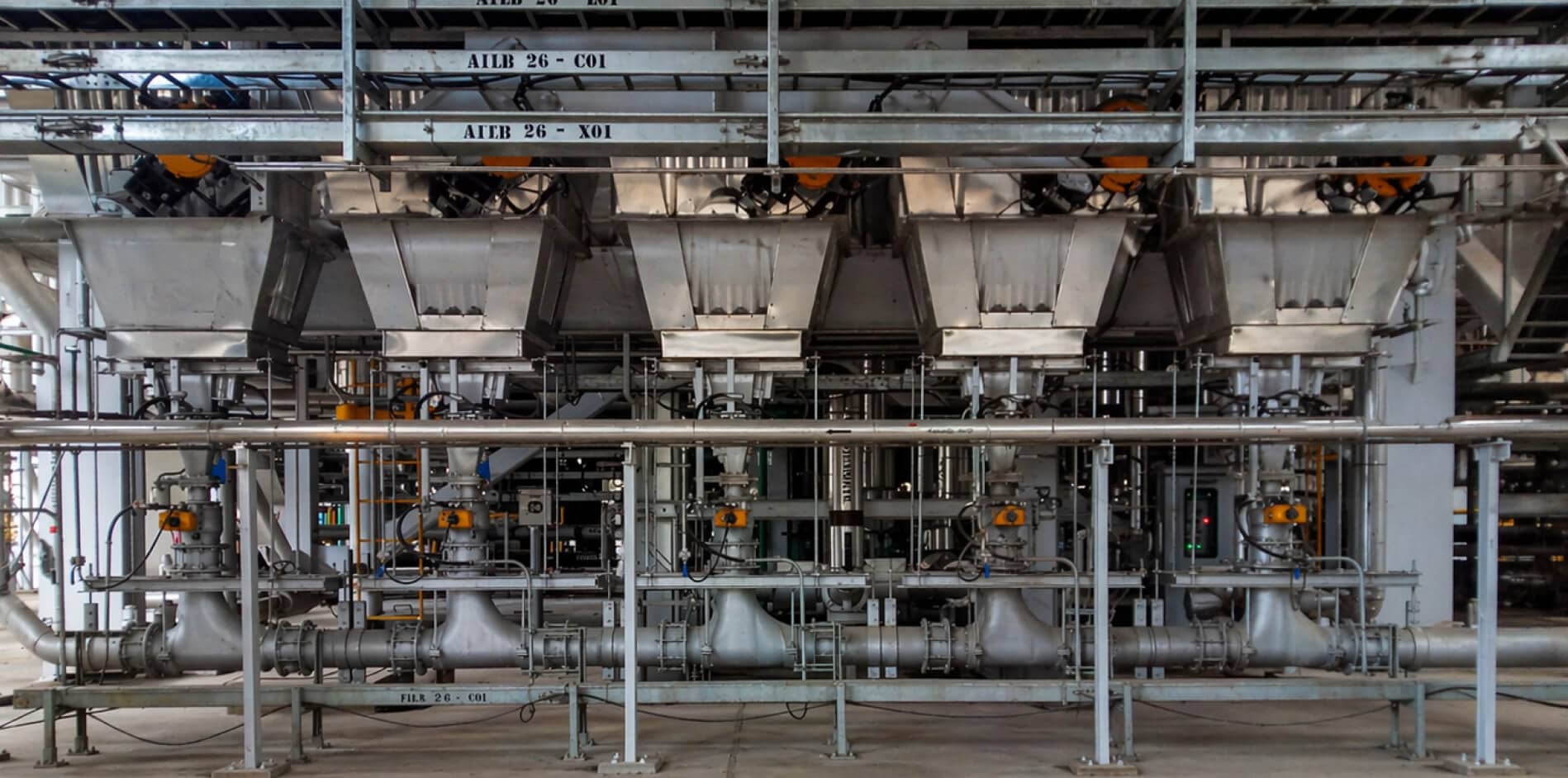

Macawber Beekay builds two kinds for PF boilers: dense phase pneumatic conveying under positive pressure, and vacuum systems with a second pressure stage, both sealed at the hopper by our Dome Valve.
Vacuum conveying system
A vacuum system is chosen when the extraction distance is short, the number of ESP hoppers is large and the plant layout calls for two-stage conveying. It conveys fly ash from the hoppers to an intermediate, buffer or surge hopper (ISH) near the ESP.
Mechanical exhausters (vacuum pumps) draw a partial vacuum at the receiving station, pulling ash into the pipeline, where it moves in suspension. Each vacuum pump serves its own stream and can convey both coarse and fine ash. The stream runs continuously while the hoppers discharge in sequence.
At the receiving station a bag filter with an air lock separates the ash from the air and collects it in the ISH. From there a second stage, a positive pressure system, conveys the ash to the main fly ash silos or to hydro-sluicing. Dome Valves serve as the ash intake valves and give complete sealing at each hopper outlet.
Dense phase pressure conveying system
Macawber Beekay specialises in dense phase pneumatic conveying for dry coarse and fine fly ash collected at the economiser, air pre-heater, duct and ESP hoppers. Macawber Beekay was established in 1986 to pioneer dense phase pneumatic conveying in India.
Ash conveying vessels sit directly below the fly ash hoppers. Each vessel has a Dome Valve at its inlet, with an expansion joint and an isolation valve above it. Several vessels connect to one conveying pipe, and lines from different hoppers can be joined to reduce the number of pipes, either as the client or consultant directs or as the optimised design requires.
Dense phase conveying is chosen for its practical advantages:
- positive pressure operation at low conveying velocity, so pipelines erode less;
- coarse and fine ash conveyed separately, as collected, which makes the ash more useful for reuse;
- long conveying distances in a single stretch.
Silos, unloading and controls
At the fly ash silos, vent filters release clean air and level sensors monitor the silos and ash hoppers. Silos are fitted for dry unloading into trucks, for reuse, and wet unloading, for disposal.
The first-stage system runs in batch mode and the second-stage transport system runs continuously. Compressed air from the compressors is the conveying medium; instrument air from a separate source operates the Dome Valves and instruments.
Further reading
Last reviewed
Fly ash handling
| Collects from | Economiser, air pre-heater, duct and ESP hoppers |
|---|---|
| Boiler type | Pulverised fuel (PF) |
| Conveying | Dense phase positive pressure; vacuum with second-stage pressure |
| Ash grades | Coarse and fine ash conveyed separately, as collected |
| Hopper valve | Macawber Beekay Dome Valve |
| Conveying medium | Compressed air; separate instrument air for valves |
| Silo unloading | Dry and wet unloading into trucks |
Talk to our engineers
Our team in Noida answers enquiries on fly ash handling.
Get in touch+91 120 450 7700How it works, stage by stage
Collect at the hoppers
Fly ash settles in the economiser, air pre-heater, duct and ESP hoppers. A Dome Valve at each hopper outlet seals the hopper and admits ash to the conveying system.
Charge the conveying vessel
In a dense phase system, conveying vessels below the hoppers fill in batches. In a vacuum system, vacuum pumps draw ash from the hoppers into the line.
Convey through the pipeline
Compressed air moves ash at low velocity in dense phase, over long distances in a single stretch. Several vessels can share one conveying pipe to reduce pipe runs.
Store in the silo
Ash reaches the fly ash silo, where vent filters release clean air and level sensors report the fill level.
Unload for use or disposal
Dry unloading into trucks supplies ash for reuse; wet unloading conditions ash for disposal.
Questions buyers ask
What is the difference between vacuum and pressure fly ash conveying?
A vacuum system draws ash from the hoppers with vacuum pumps into an intermediate surge hopper (ISH) near the ESP; a second, positive pressure stage then conveys it to the silos. A dense phase pressure system pushes ash from conveying vessels directly to the silos with compressed air. Vacuum suits short extraction distances with many ESP hoppers; dense phase suits long distances.
Why use dense phase conveying for fly ash?
Dense phase pneumatic conveying works under positive pressure at low material velocity, which reduces pipeline erosion. It can convey coarse and fine ash separately as collected, which increases the ash's value for reuse, and it can carry ash over long distances in a single stretch.
What is an intermediate surge hopper (ISH)?
In a two-stage vacuum system, the ISH is the buffer hopper near the ESP where the vacuum stage delivers fly ash. A bag filter with an air lock separates ash from air at this point, and a pressure system then conveys the ash onward to the main silos or to hydro-sluicing.
How is fly ash unloaded from the silo?
Macawber Beekay fly ash silos are equipped for both dry unloading into trucks, for reuse, and wet unloading, for disposal.
Explore related systems.
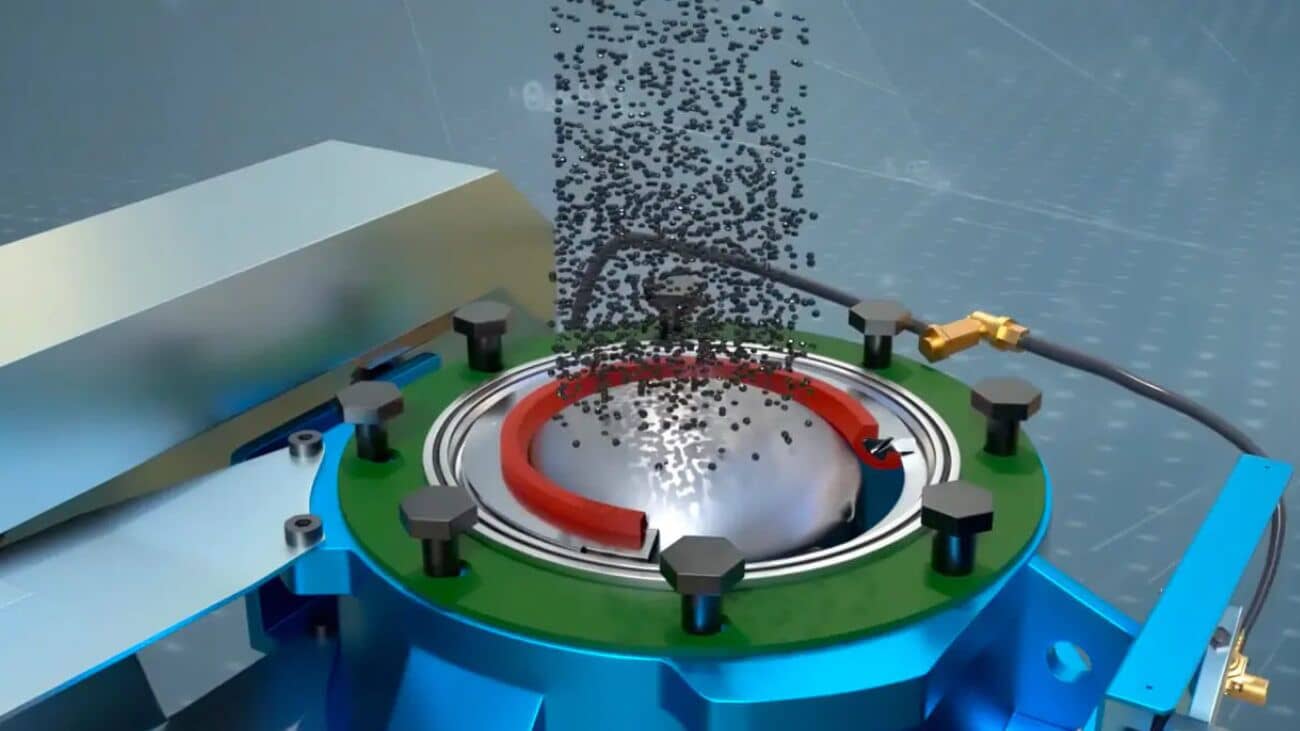 Dome ValveMacawber Beekay Dome Valve: full-bore flow, inflatable pressure-tight seal, 50-500 mm bore, -20 °C to +480 °C, up to 30 bar, for abrasive bulk materials.
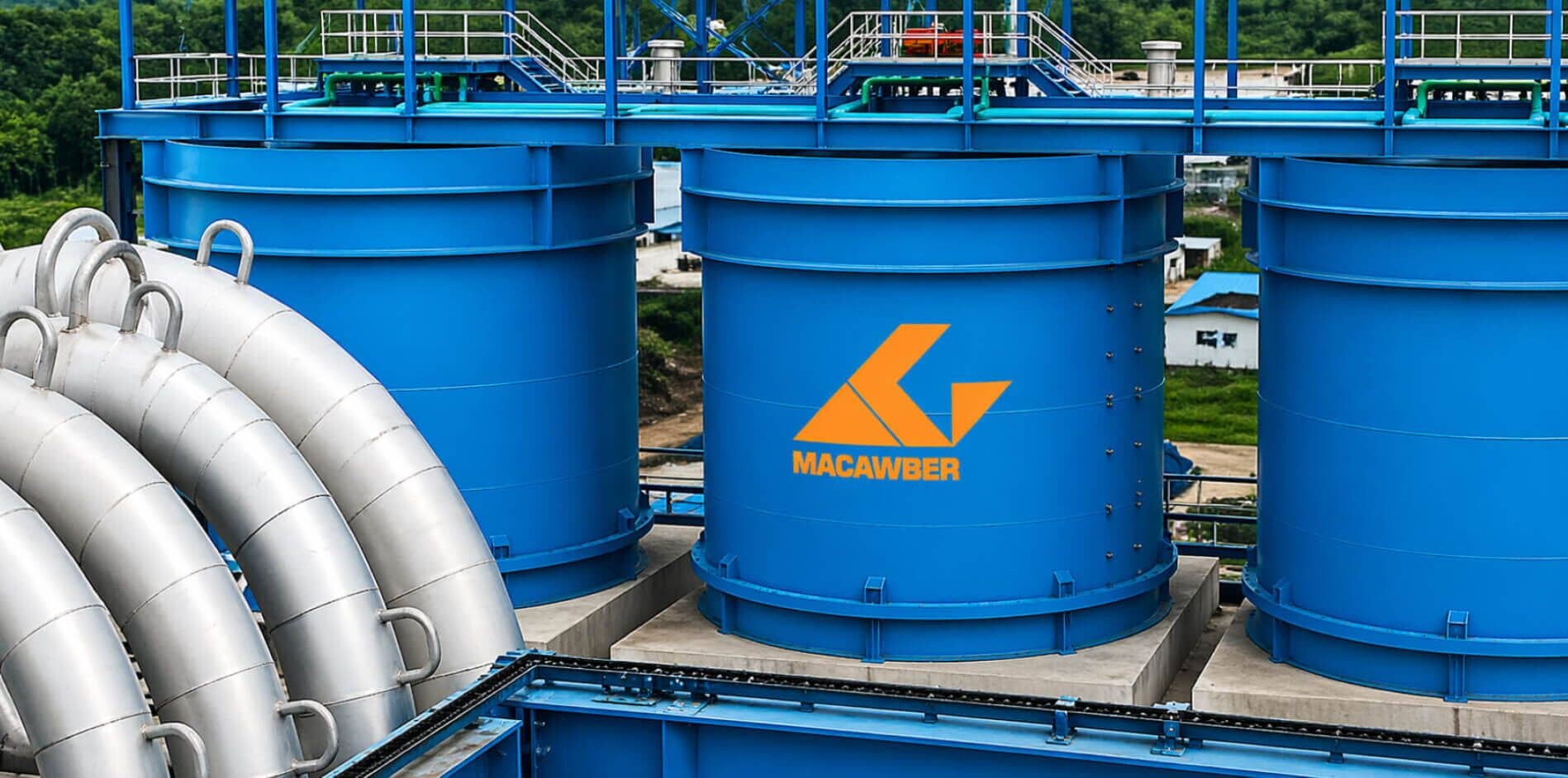 Bottom ash handlingBottom ash handling systems for PF and CFBC boilers: jet pump, submerged scraper chain conveyor (SSCC), dry and dense phase systems by Macawber Beekay.
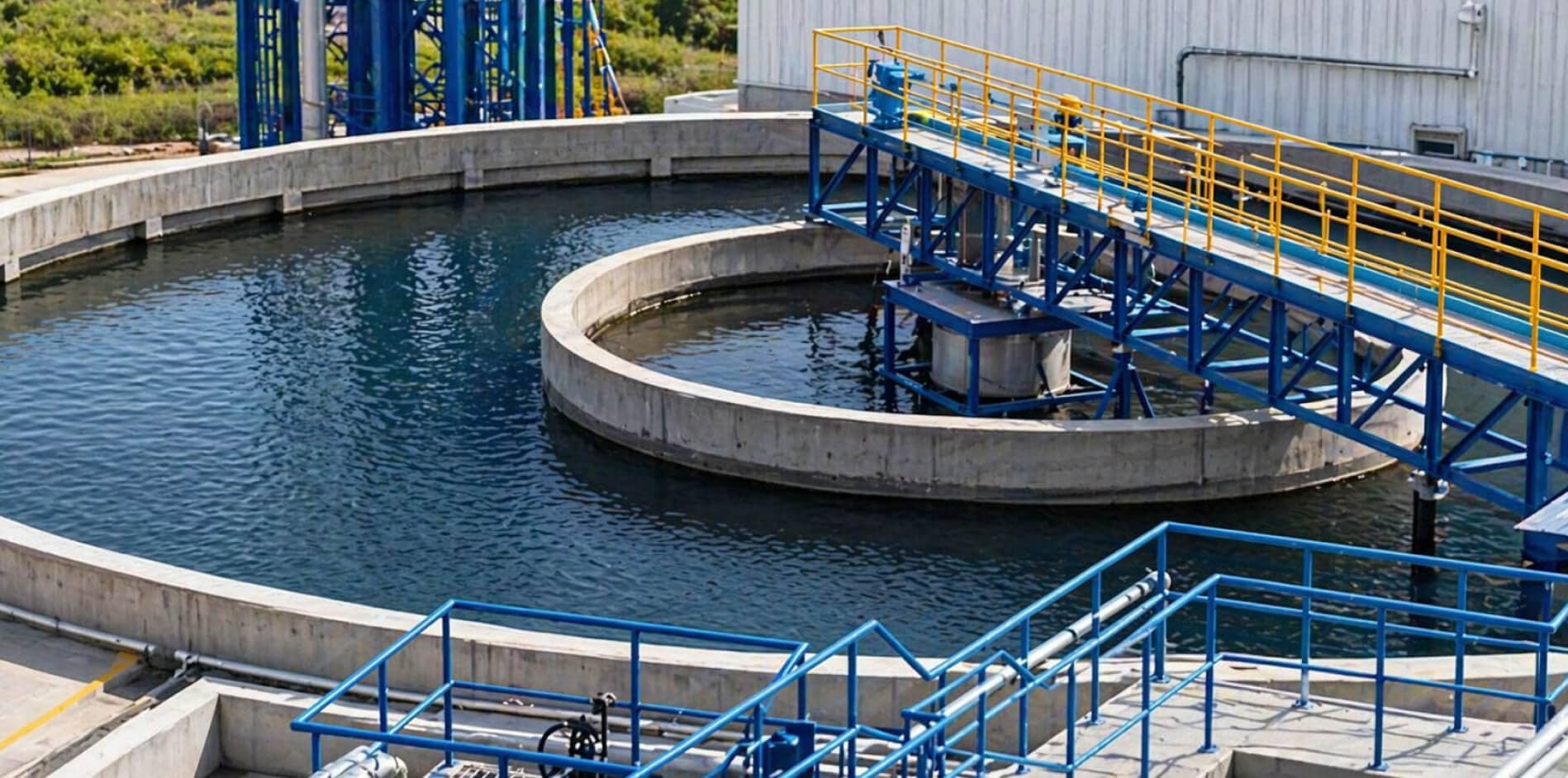 Ash slurry disposalAsh slurry disposal systems: lean slurry with ash water recovery, and high concentration slurry disposal (HCSD) at about 60% concentration, up to 17 km.
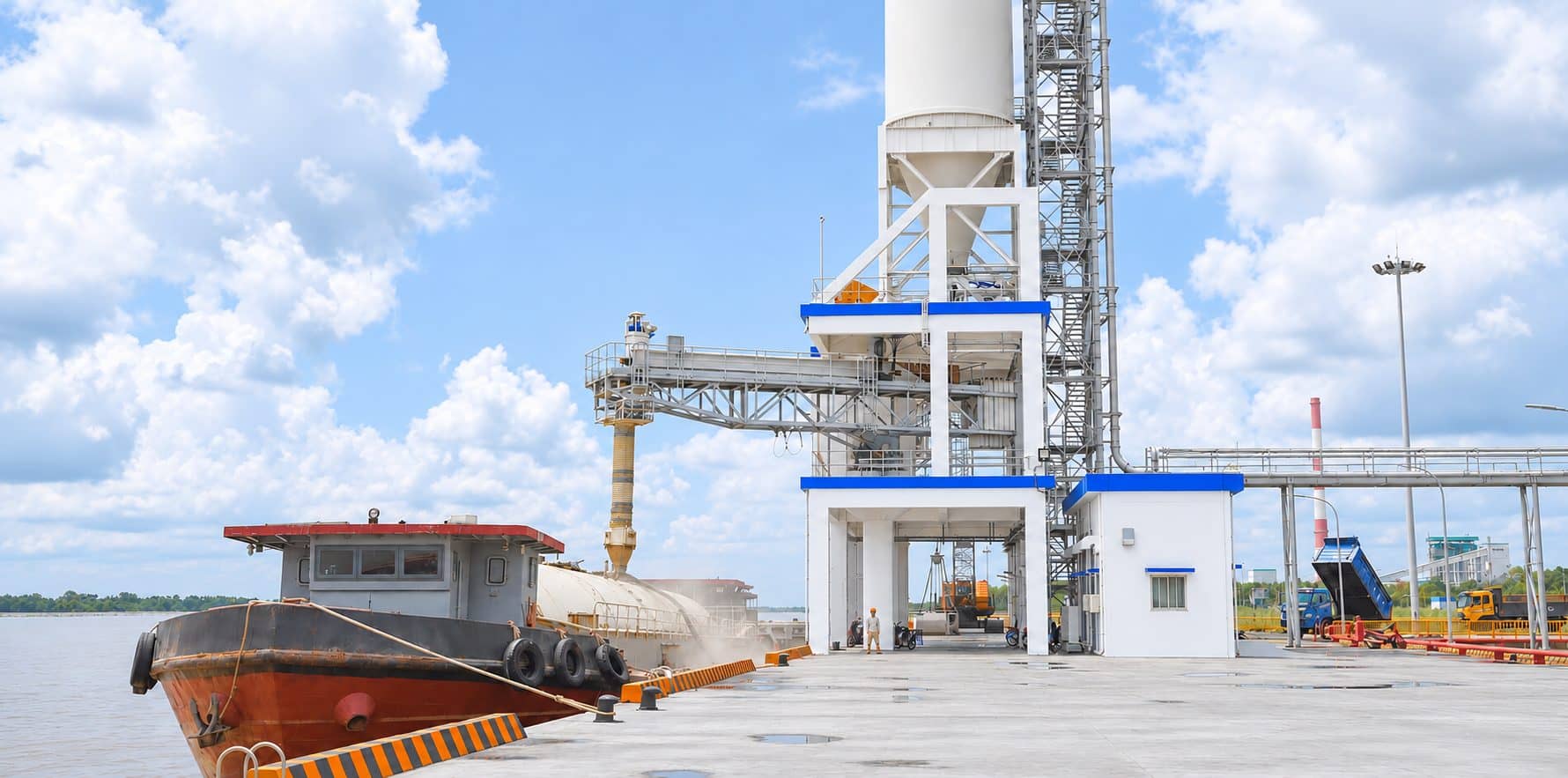 Ship/barge loadingStationary jetty-mounted ship and barge loading systems for exporting fly ash from coastal power plants: buffer silo, rotary feeder, screw conveyors, boom.
Talk to our engineers.
Planning a fly ash handling project, or upgrading one? Our engineering team in Noida is ready to help.
