
Ash slurry disposal system
An ash slurry disposal system mixes power plant ash with water and pumps it through pipelines to an ash pond or disposal area.
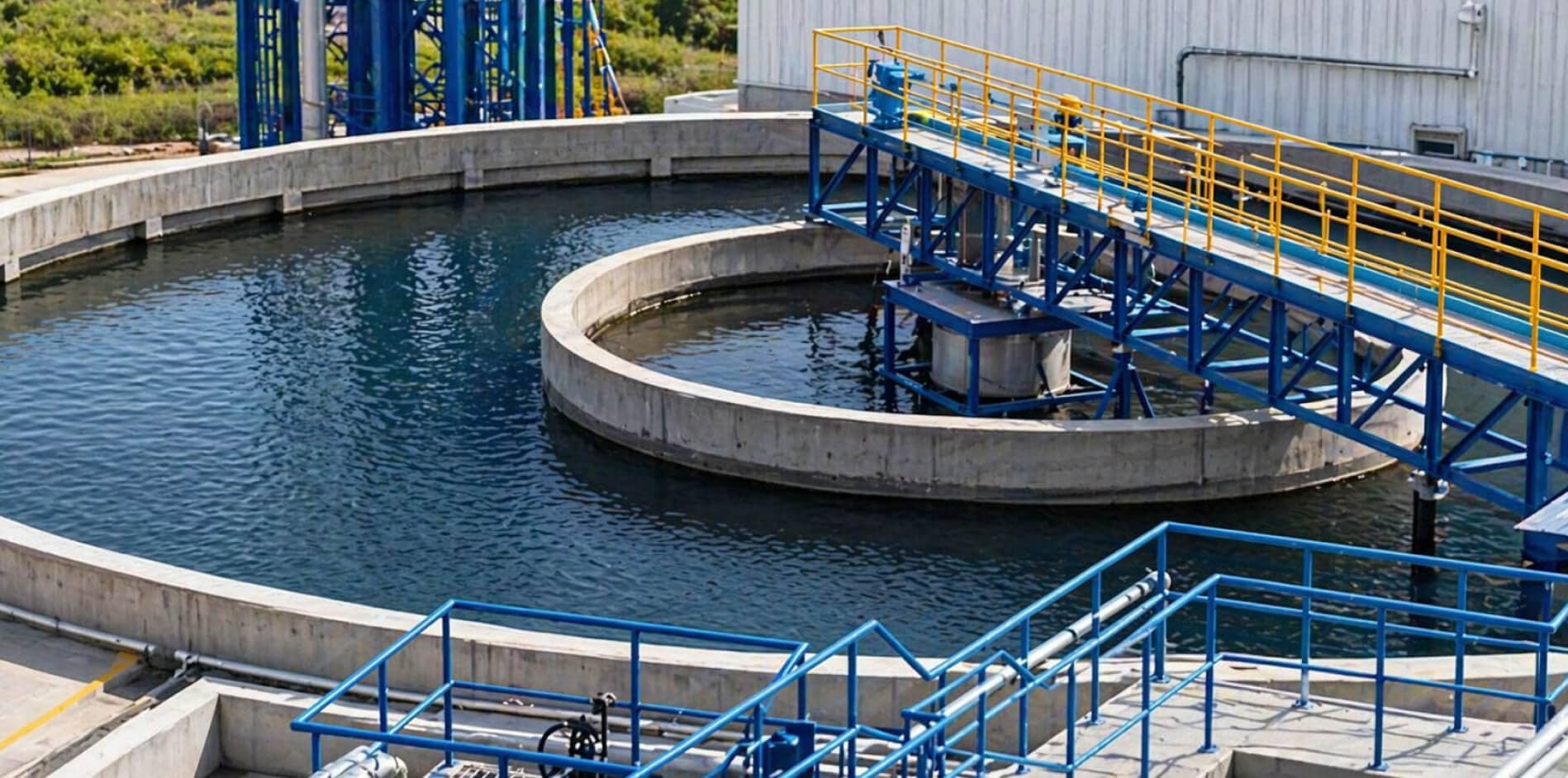

Macawber Beekay builds conventional lean slurry systems with ash water recovery, and high concentration slurry disposal (HCSD) systems that pump fly ash and bottom ash at about 60% concentration, so water use falls sharply and almost no water is released at the disposal area.
Lean slurry disposal and ash water recovery
Lean slurry disposal and ash water recovery systems have long been used to dispose of ash slurry in dilute form at power plants, and they are still in demand. Macawber Beekay supplies these systems with centrifugal slurry pumps for disposal, and a clariflocculator or tube settler to recover ash water from the slurry pond.
A typical scope includes:
- ash slurry sump with intake valves, ACI liners and jetting nozzles;
- valves at the suction and discharge of the ash slurry pumps;
- ash slurry transportation pipes from the slurry pumps to the ash dyke, including garlanding of the dyke;
- drainage pumps with piping, valves and fittings.
Why plants move to high concentration slurry disposal
Conventional lean slurry and ash water recovery systems have clear limitations: high water wastage and contamination, ground water pollution, the risk of ash pond collapse, vast land for ash dykes, high pond construction costs and high power consumption. These limitations led to environment-friendly technologies such as high concentration slurry disposal.
Macawber Beekay was a pioneer in this technology, commissioning an HCSD system for a combination of fly ash and bottom ash, a first of its kind in India.
How an HCSD system works
An HCSD system feeds fly ash and bottom ash through a controlled, monitored feeding system, mixes them homogeneously in an agitator retention tank (ART), and pumps the slurry to the disposal area with piston diaphragm or hydraulic piston pumps. Operating at about 60% concentration, it drastically reduces water consumption, and almost no water is released at the disposal area.
Close monitoring of the slurry properties is the key to success. The HCSD pumps carry the concentrated slurry from the ART through carbon steel pipelines and can vary their capacity to suit the slurry. De-blocking is provided by the HCSD pump itself or by a separate water pump, and a pigging system cleans the pipeline. Macawber Beekay's HCSD systems are installed for capacities up to 315 m³/h and distances up to 17 km.
Key advantages of HCSD
- Ash spreads in layers, allowing vertical filling, so less land is needed.
- Pumping at high concentration means low water consumption.
- Slurry flow rate is much lower, so pipelines are smaller.
- Almost no water is released, so the disposal area needs no water-retaining walls or recovery system.
- Less leaching at the ash disposal area.
- Lower operating power consumption.
- Lower velocity, giving the pipeline a longer life.
| Parameter | Lean slurry | HCSD |
|---|---|---|
| Pumps | Centrifugal slurry pumps | Piston diaphragm or hydraulic piston pumps |
| Water released at disposal area | Significant; needs ash water recovery | Almost none |
| Land requirement | Large ash dykes | Reduced; vertical filling |
| Pipeline size and velocity | Larger, higher velocity | Smaller, low velocity |
| Power consumption | Higher | Lower |
Ash slurry pumping is also the basis of mine void filling, where lean or high concentration slurry refills coal mine voids.
Further reading
Last reviewed
Ash slurry disposal
| Lean slurry pumps | Centrifugal slurry pumps |
|---|---|
| Ash water recovery | Clariflocculator or tube settler at the slurry pond |
| HCSD concentration | About 60% |
| HCSD pumps | Piston diaphragm or hydraulic piston pumps |
| HCSD pipelines | Carbon steel, with pigging for cleaning |
| HCSD capacity installed | Up to 315 m³/h |
| HCSD distance installed | Up to 17 km |
Talk to our engineers
Our team in Noida answers enquiries on ash slurry disposal.
Get in touch+91 120 450 7700On site and in the works
How it works, stage by stage
Feed the ash
A controlled and monitored feeding system meters fly ash and bottom ash from the silos into the HCSD system.
Mix in the agitator retention tank
Ash and water are mixed into a homogeneous slurry in an adequately designed agitator retention tank (ART), with slurry properties monitored closely.
Pump at high concentration
Piston diaphragm or hydraulic piston pumps, with capacity varied to suit the slurry, push it through carbon steel pipelines at low velocity.
Spread and solidify
At the disposal area the slurry spreads in layers on a slope and solidifies, leaving hardly any ash to fly off and releasing almost no water.
Questions buyers ask
What is the difference between lean slurry and HCSD?
A lean slurry system pumps ash in dilute form with centrifugal slurry pumps to an ash pond and needs an ash water recovery system. An HCSD system pumps fly ash and bottom ash at about 60% concentration with piston diaphragm or hydraulic piston pumps, so it uses far less water, smaller pipes and less power, and needs less land.
What is an ash water recovery system?
An ash water recovery system reclaims the water that separates from lean ash slurry at the slurry pond. Macawber Beekay's systems use a clariflocculator or tube settler to recover the ash water so it can be returned to the plant for reuse.
Why does HCSD need less land?
HCSD slurry spreads in layers on a sloped disposal area and solidifies, which allows the area to be filled vertically, so less land is needed. Because almost no water is released, the disposal area also needs no water-retaining walls or water recovery system.
How far can an HCSD system pump ash?
Macawber Beekay's HCSD systems are installed for capacities up to 315 m³/h and for distances up to 17 km. De-blocking is provided by the HCSD pump itself or by a separate water pump, and a pigging system cleans the pipeline.
Explore related systems.
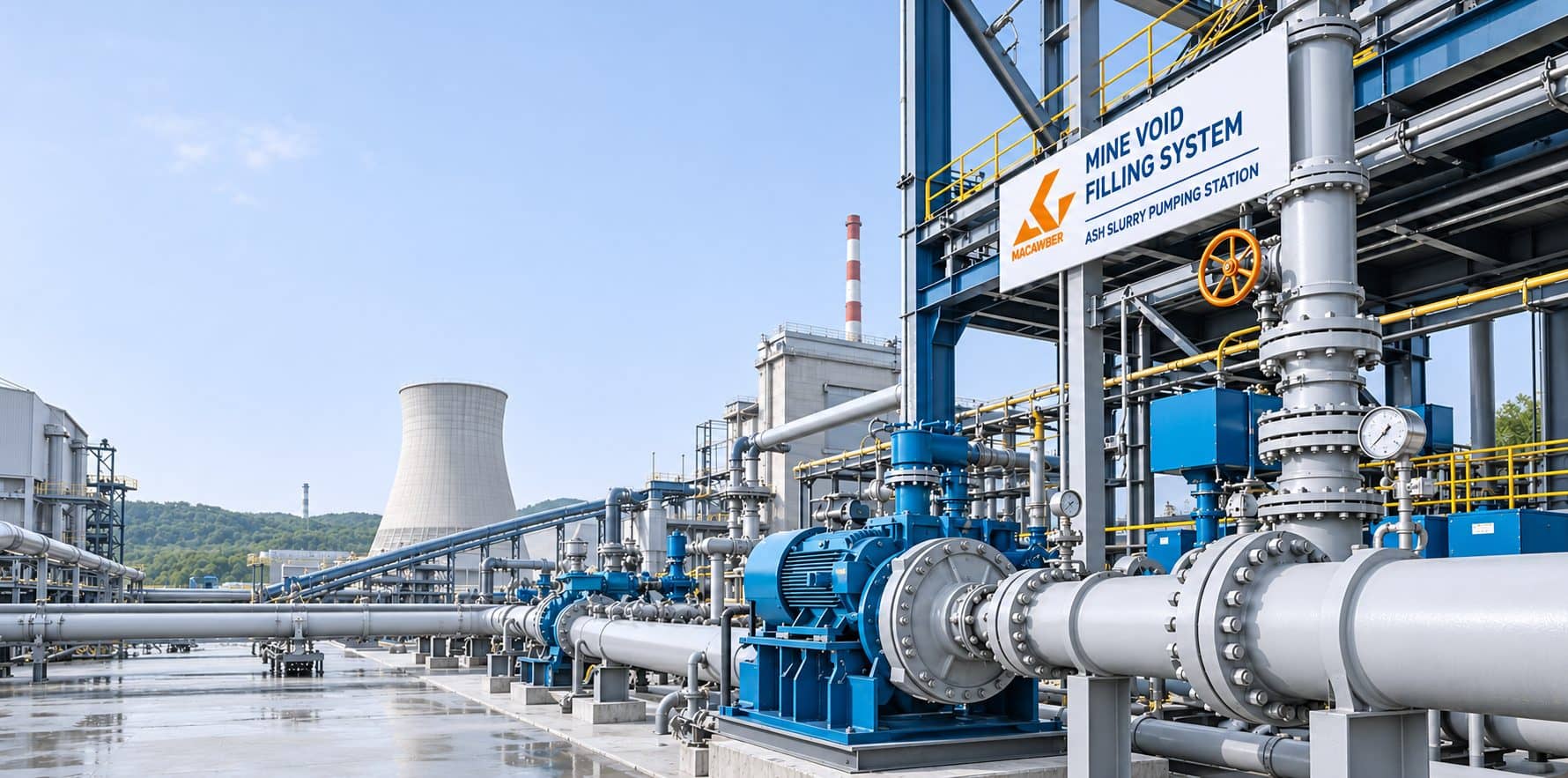 Mine void fillingMine void filling with power plant ash: lean or high concentration ash slurry pumped through booster stations to mine voids, with ash water recirculation.
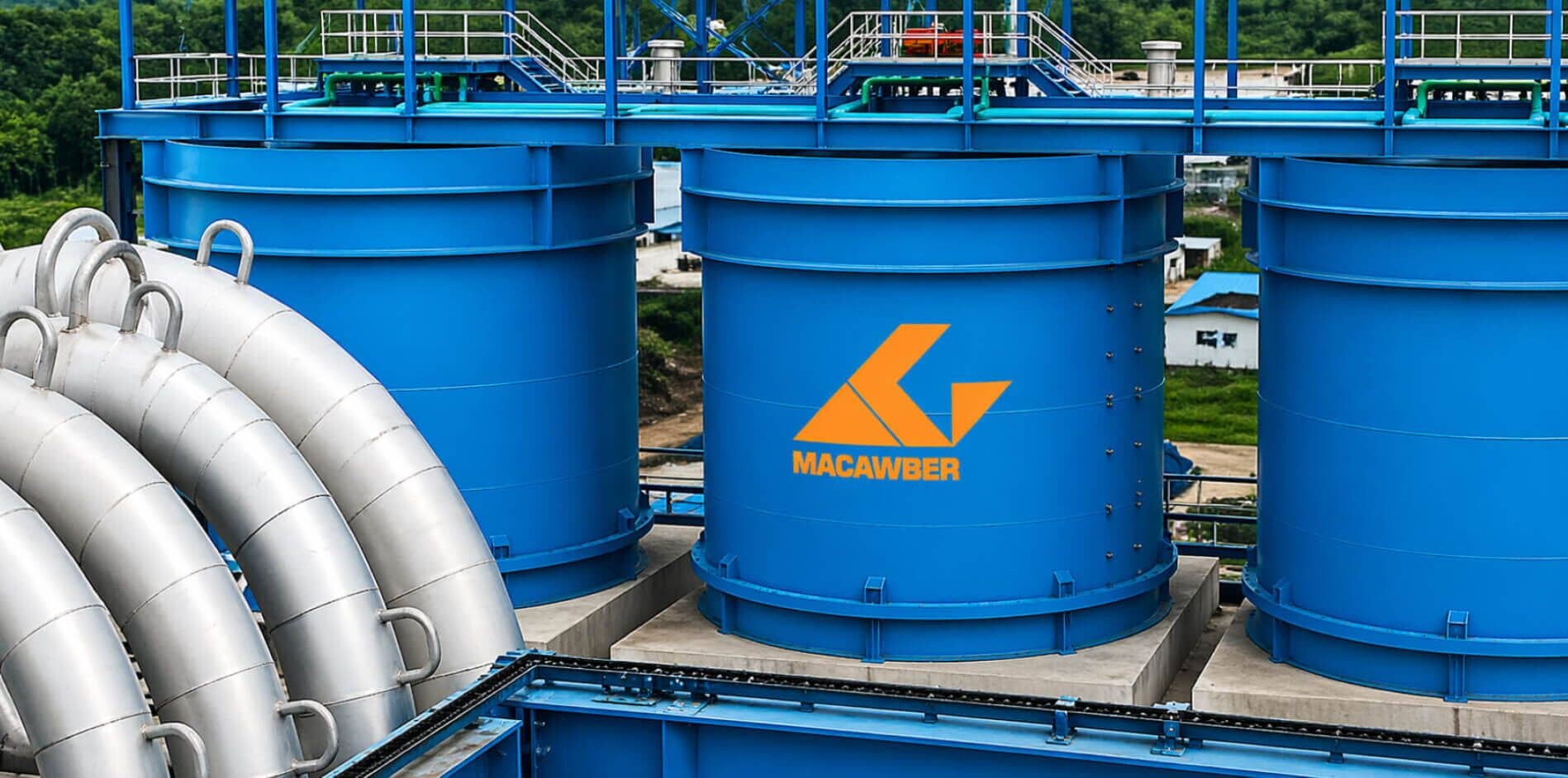 Bottom ash handlingBottom ash handling systems for PF and CFBC boilers: jet pump, submerged scraper chain conveyor (SSCC), dry and dense phase systems by Macawber Beekay.
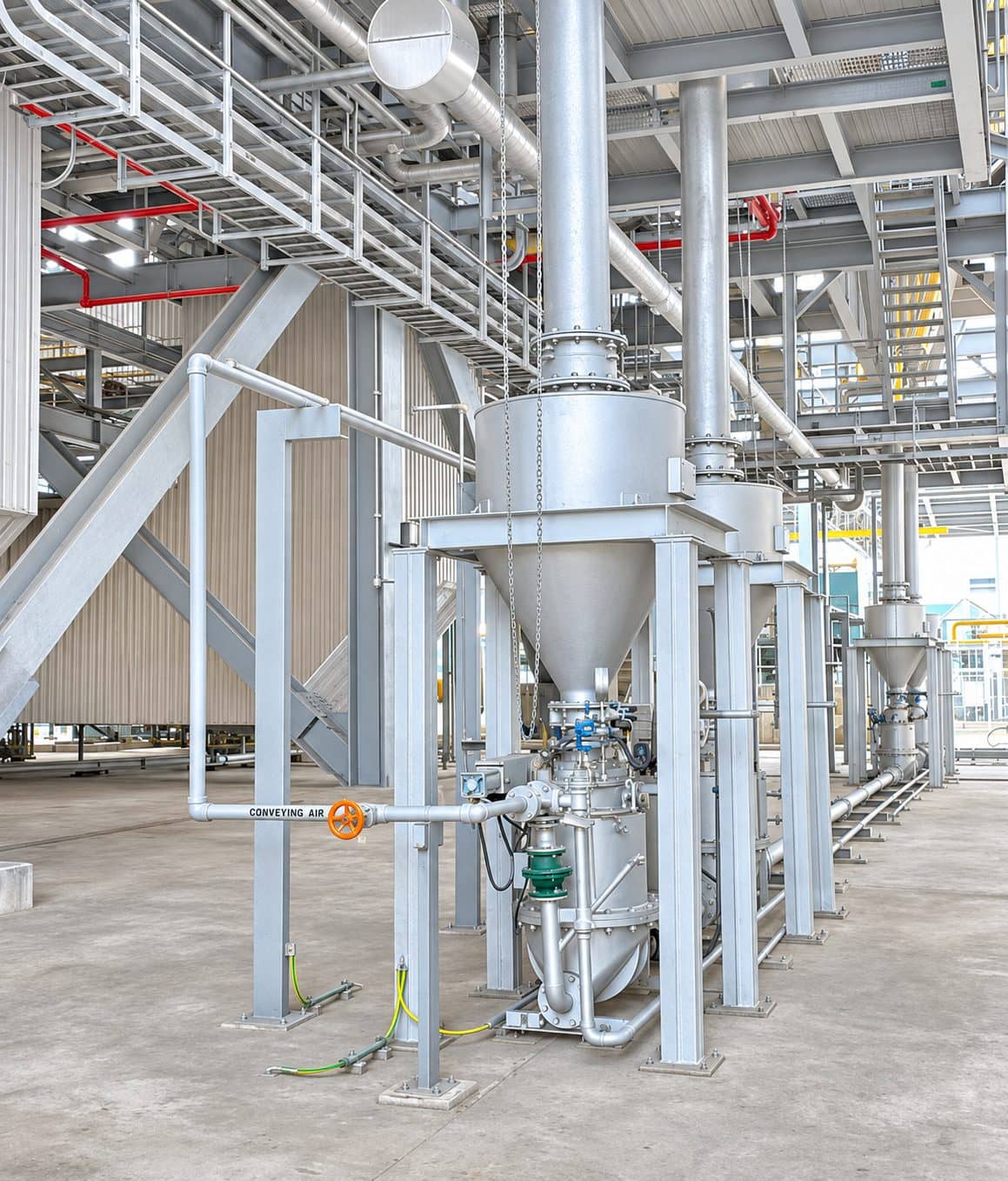 Fly ash handlingFly ash handling systems that convey dry fly ash from ESP, APH and economiser hoppers to silos by dense phase pressure or vacuum conveying, with Dome Valves.
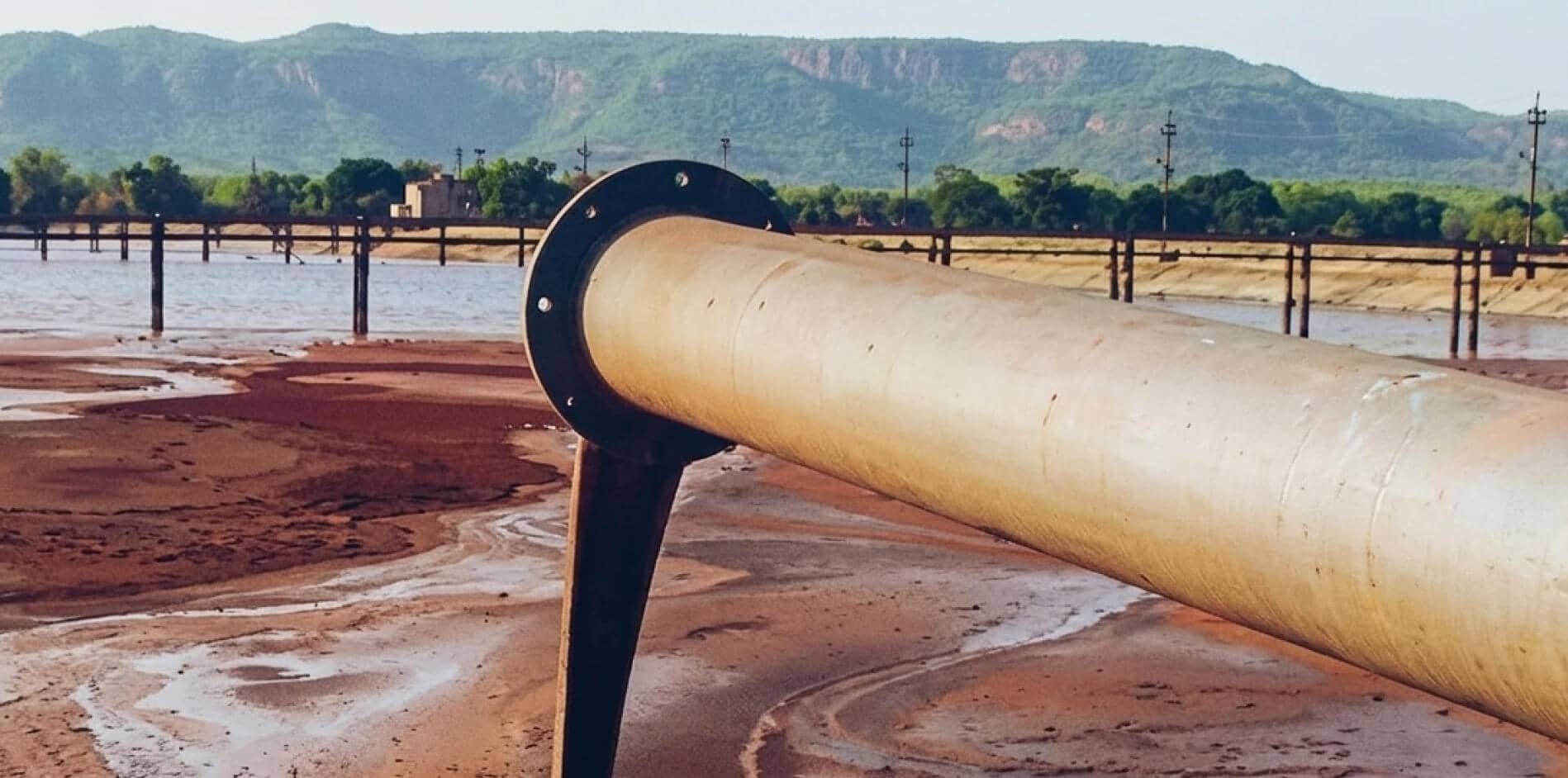 Red mud handlingTurnkey red mud disposal: from drum filters or mud washers to the red mud pond by piston diaphragm or centrifugal pumps, with decant water returned to the plant.
Talk to our engineers.
Planning an ash slurry disposal project, or upgrading one? Our engineering team in Noida is ready to help.
