
Bottom ash handling system
A bottom ash handling system removes the coarse ash and clinker that fall to the bottom of a boiler furnace, about 20% of the ash in a coal-fired boiler, and carries it to dewatering, storage or disposal.
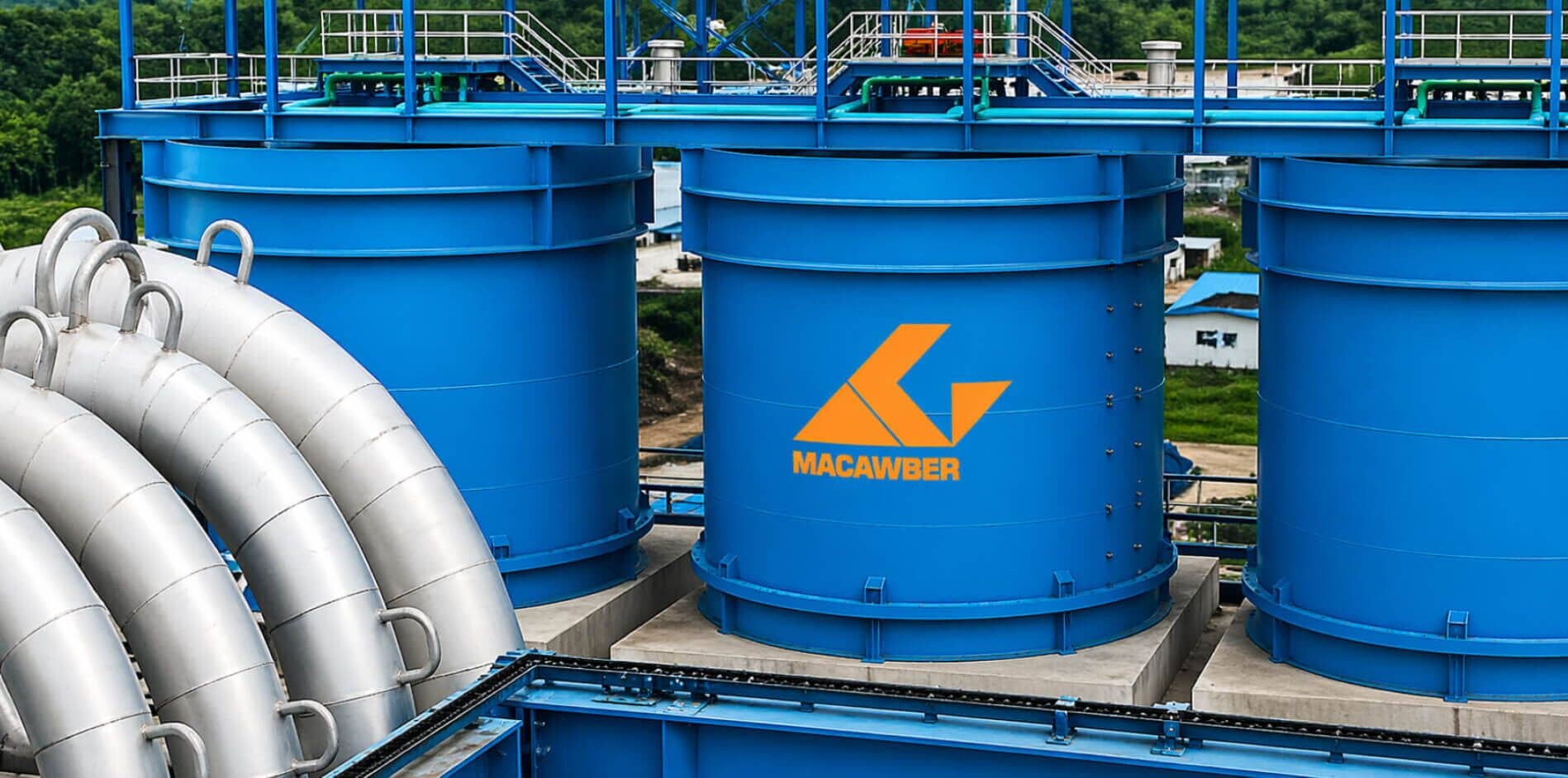
Macawber Beekay builds jet pump and submerged scraper chain conveyor (SSCC) systems for PF boilers, dry bottom ash conveyors, and dense phase pneumatic systems for CFBC bed ash.
Jet pump system (wet)
Macawber Beekay's jet pumping system removes bottom ash intermittently from the furnace bottom of PF boilers. It is suited to plants with adequate process water, existing slurry disposal infrastructure and a wet ash disposal strategy.
The bottom ash hopper is a water-impounded, refractory-lined structural steel hopper of adequate capacity, with a water seal trough and dip plates. The seal lets the furnace expand freely without air ingress. Each hopper comes complete with:
- hydraulically operated feed gates;
- refractory lining with its cooling arrangement;
- hopper overflow, water seal boxes and seal trough overflow connection;
- sluicing headers with nozzles;
- access doors, inspection glass windows and poke holes;
- supporting steel structure, platforms, stairs and accessories.
De-ashing is done intermittently by opening the inclined feed gates and running the clinker crushers and jet pumps. High pressure water supplied to the jet pumps acts as motive water and pumps the bottom ash slurry to dewatering bins or a slurry sump for disposal.
On a 2×520 MW PF-fired plant, Macawber Beekay supplied bottom ash hoppers with clinker grinders and jet pumps, a slurry sump, ash slurry pumps for lean slurry disposal to the ash pond, HP and LP water pumps, and an ash water recovery system that pumps clear water back from the pond. Economiser ash also flows into the bottom ash hopper for disposal.
Submerged scraper chain conveyor (semi-dry)
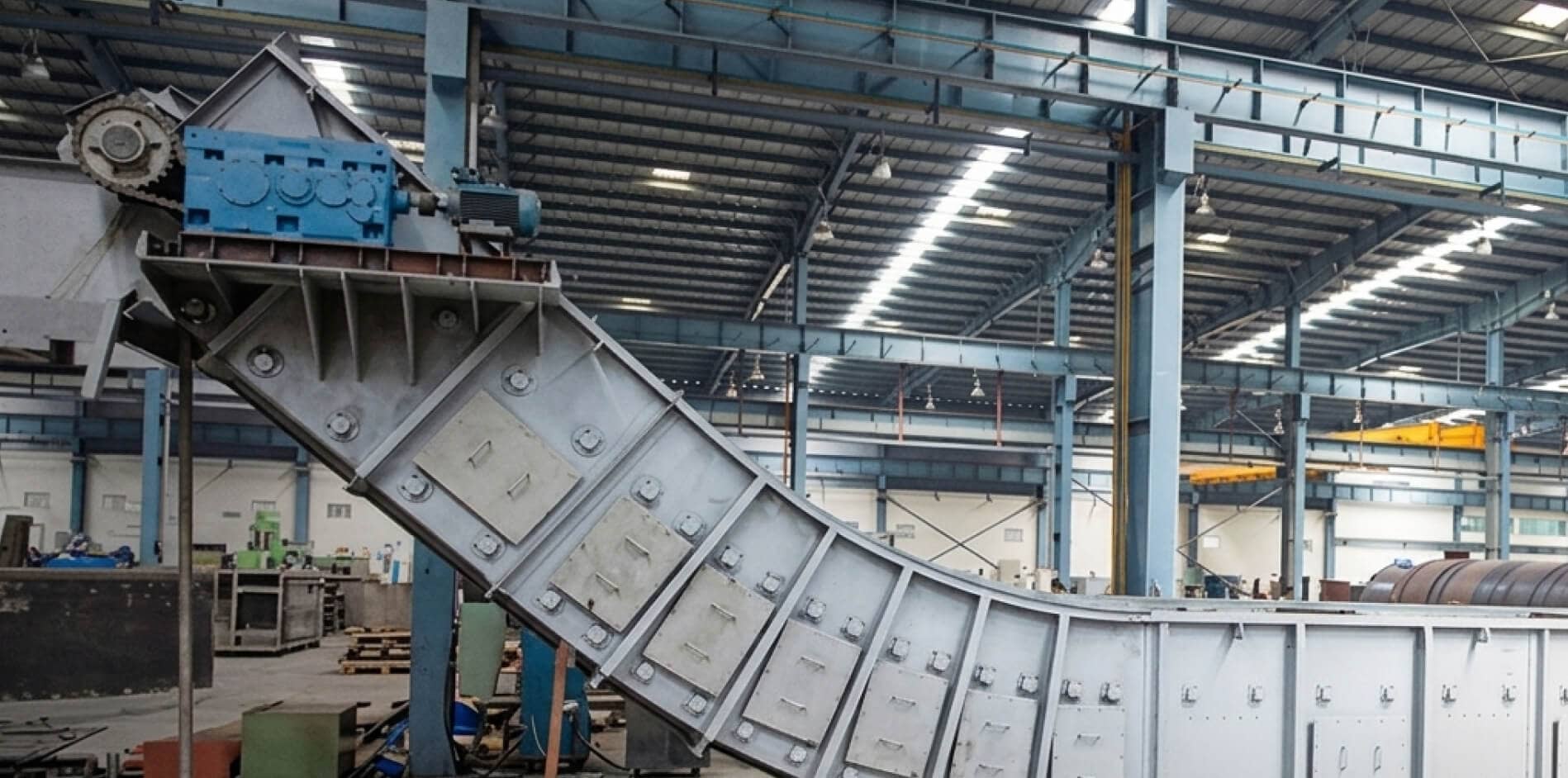
An SSCC removes bottom ash continuously while reducing hydraulic transport of ash. Hot ash and clinker fall from the furnace through the bottom ash hopper into the horizontal water trough (slag bath) of the SSCC. Scraper bars fixed to two endless alloy steel round link chains drag the ash out continuously; excess water drains off on the inclined section, and the ash discharges through a chute into a clinker crusher and onto the bottom ash belt conveyor.
Continuous water circulation keeps the temperature and level of the slag bath steady. Trough water overflows through parallel plates that hold ash particles back, collects in a tank and can be recycled to the trough through a heat exchanger and clarifier. The bottom ash hopper also gives temporary storage, so the SSCC can be maintained without immediately affecting boiler operation.
On a 2×600 MW PF-fired plant, Macawber Beekay installed a bottom ash hopper with four outlets, each with a hydraulically operated discharge gate run from a common hydraulic power pack, and a dip box below each gate dipped into the SSCC trough to keep a gas seal at all times. SSCCs (1 working + 1 standby, 53 TPH) with clinker grinders feed a series of belt conveyors to the bottom ash silos, which unload into trucks through vibratory feeders and chutes.
Dry and pneumatic bottom ash handling
Dry systems move bottom ash without using water as the primary quenching or conveying medium. For dry handling directly below the furnace, Macawber Beekay offers the DryAshTech conveyor, which needs no bottom ash cooling water, no effluent treatment and no ash pond.
For CFBC and AFBC boilers, bed ash is collected by a drag chain conveyor and transferred to a surge hopper outside the boiler area. Where the bed ash silo is farther away, ash vessels below the surge hopper convey it by dense phase pneumatic conveying through overhead, enclosed pipelines. This keeps ground level clear and gives freedom in locating the silo.
Comparing bottom ash handling systems
| System | Working principle | Ash condition | Water requirement | Typical application |
|---|---|---|---|---|
| Jet pump (wet) | Ash quenched in a water-impounded hopper and pumped hydraulically by jet pumps | Slurry | High | PF boilers with slurry disposal infrastructure |
| SSCC (semi-dry) | Ash quenched in a water bath, extracted by scraper chains and dewatered | Moist, dewatered | Moderate | Plants wanting continuous extraction with less slurry handling |
| Dry mechanical | Cooled ash carried by mechanical conveyors such as drag chain conveyors | Dry, cooled | Low | Suitable PF, CFBC and AFBC arrangements |
| Dense phase pneumatic | Bed ash conveyed through enclosed pipelines | Dry, cooled | Low | CFBC and AFBC boilers, remote silos |
Further reading
Last reviewed
Bottom ash handling
| Collects from | Furnace bottom (bottom ash hopper); economiser ash also routed here |
|---|---|
| Boiler type | PF; CFBC and AFBC (bed ash) |
| Wet system | Jet pumps with clinker crushers, intermittent de-ashing |
| Semi-dry system | Submerged scraper chain conveyor, continuous extraction |
| Dry systems | DryAshTech conveyor; drag chain conveyor with dense phase conveying |
| Furnace seal | Water seal trough with dip plates, free furnace expansion |
| Discharge to | Dewatering bins, slurry sump or bottom ash silo |
Talk to our engineers
Our team in Noida answers enquiries on bottom ash handling.
Get in touch+91 120 450 7700How it works, stage by stage
Collect and quench
Hot ash and clinker fall into a water-impounded, refractory-lined bottom ash hopper below the furnace. Spray nozzles quench the ash, and the water seal trough keeps air out while letting the furnace expand.
Discharge through the gates
Hydraulically operated feed gates release the ash from the hopper, intermittently in a jet pump system or continuously into the water bath of an SSCC.
Crush the clinker
Clinker crushers or grinders crush the clinker ahead of the jet pumps or the belt conveyors.
Convey out of the boiler area
Jet pumps driven by high pressure water carry the ash as slurry; an SSCC drags it out mechanically and dewaters it on the inclined section before belt conveyors take it on.
Dewater, store or dispose
Slurry goes to dewatering bins or a slurry sump for disposal to the ash pond; dewatered ash goes to a bottom ash silo for unloading into trucks.
Questions buyers ask
What are the main types of bottom ash handling system?
The principal types are wet jet pumping systems, semi-dry submerged scraper chain conveyor (SSCC) systems, dry mechanical systems and dense phase pneumatic systems. The right choice depends on boiler type, ash characteristics, space below the furnace, water availability, conveying distance, plant layout and the plant's ash disposal or utilisation plan.
What is the difference between a jet pump system and an SSCC?
A jet pump system uses high pressure water to carry bottom ash hydraulically as slurry to dewatering bins or a slurry sump. An SSCC quenches the ash in a water bath, then drags it out continuously with scraper chains and dewaters it along the inclined section. The difference is hydraulic slurry conveying versus mechanical extraction and dewatering.
Why is an SSCC called semi-dry?
An SSCC uses water to quench hot bottom ash and to seal the furnace bottom, but it does not use water to transport the ash over long distances. The ash is mechanically extracted and dewatered, so it leaves the conveyor moist rather than as the dilute slurry of a jet pump system.
How is bed ash from a CFBC boiler handled?
Bed ash from a CFBC or AFBC boiler is coarse, hot, abrasive and produced continuously. A chain conveyor collects the cooled bed ash and transfers it to a surge hopper; ash vessels with Dome Valves below the hopper then convey it by dense phase pneumatic conveying through an enclosed pipeline to the bed ash silo.
Which bottom ash handling system uses the least water?
Dry mechanical and pneumatic systems use the least water because they do not rely on water to transport the ash. Macawber Beekay's DryAshTech conveyor operates without water, eliminating the bottom ash cooling water system, effluent treatment and the ash pond for this stream.
Explore related systems.
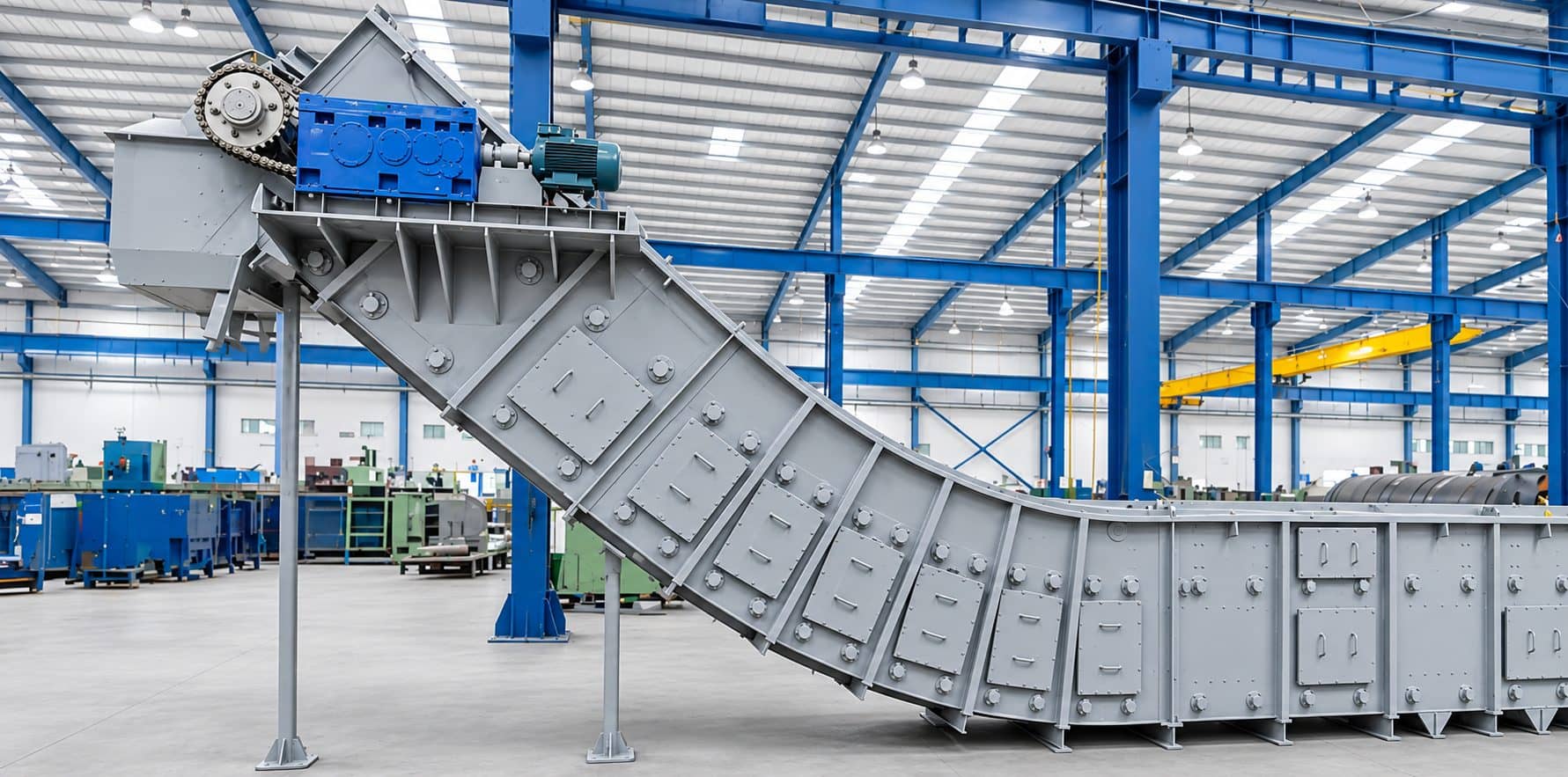 Dry Ash TechDryAshTech dry bottom ash conveyor cools and conveys boiler bottom ash without water: no ash pond, usable dry ash, over 100 t/h and over 1000 °C resistance.
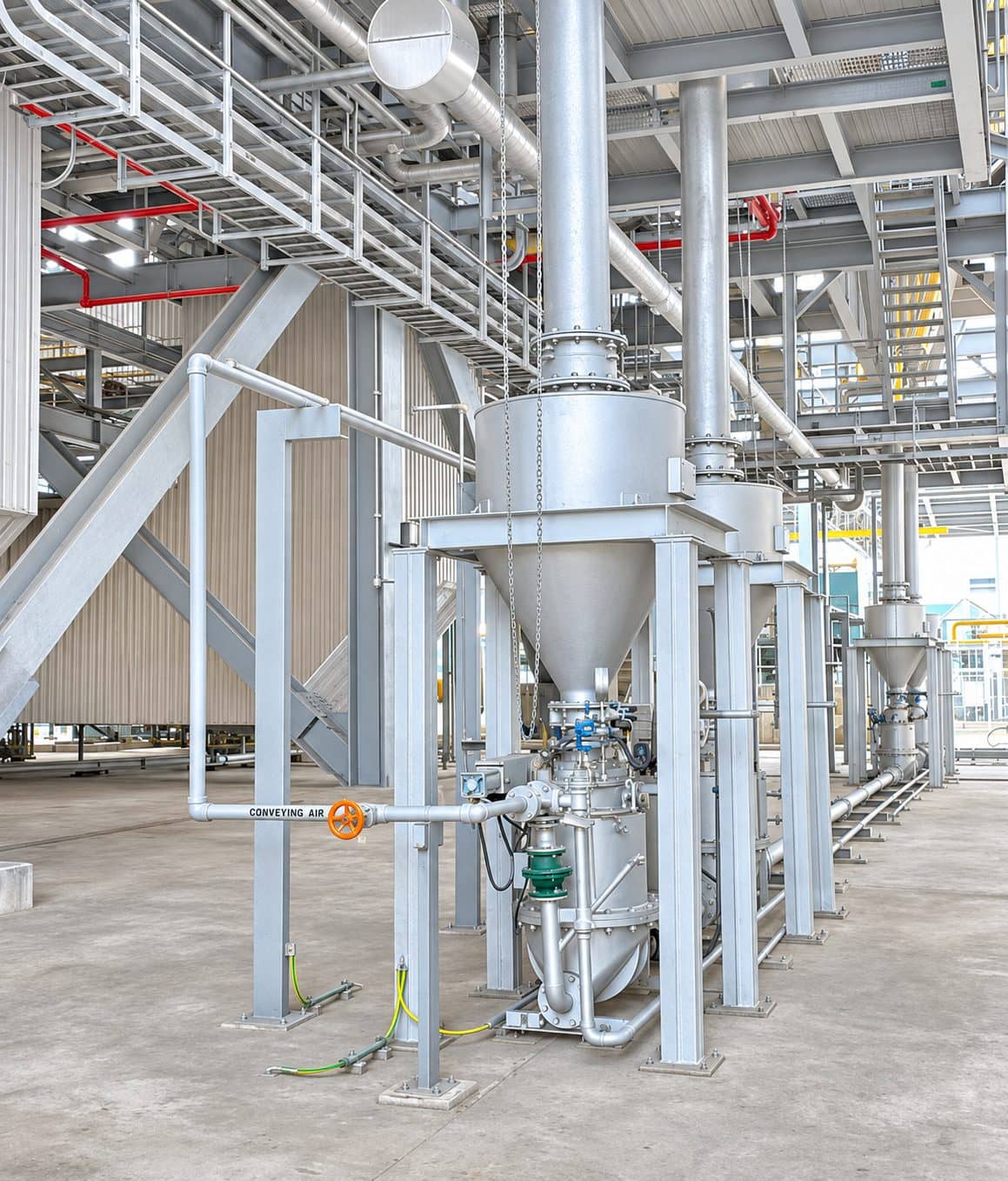 Fly ash handlingFly ash handling systems that convey dry fly ash from ESP, APH and economiser hoppers to silos by dense phase pressure or vacuum conveying, with Dome Valves.
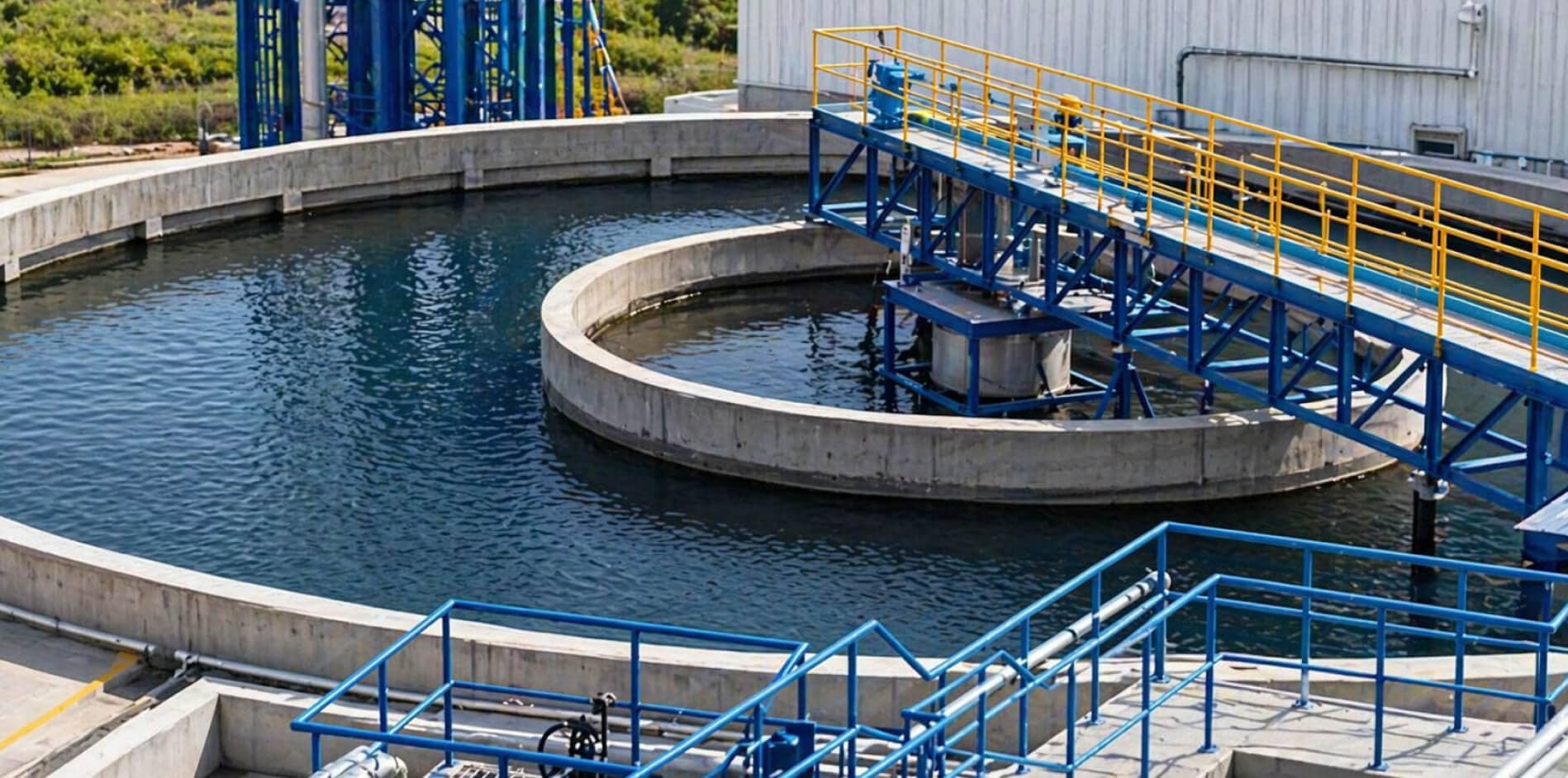 Ash slurry disposalAsh slurry disposal systems: lean slurry with ash water recovery, and high concentration slurry disposal (HCSD) at about 60% concentration, up to 17 km.
 Ash handlingAsh handling systems and plants for PF and CFBC boilers: fly ash, bottom ash, dry bottom ash and slurry disposal, designed and built by Macawber Beekay.
Talk to our engineers.
Planning a bottom ash handling project, or upgrading one? Our engineering team in Noida is ready to help.
