
The Future of Efficient Ash Disposal: How Pneumatic Ash Handling Systems Are Revolutionising Industries
The drawbacks of mechanical, wet slurry and truck ash disposal, and how enclosed dense phase pneumatic systems cut dust, water use and maintenance.
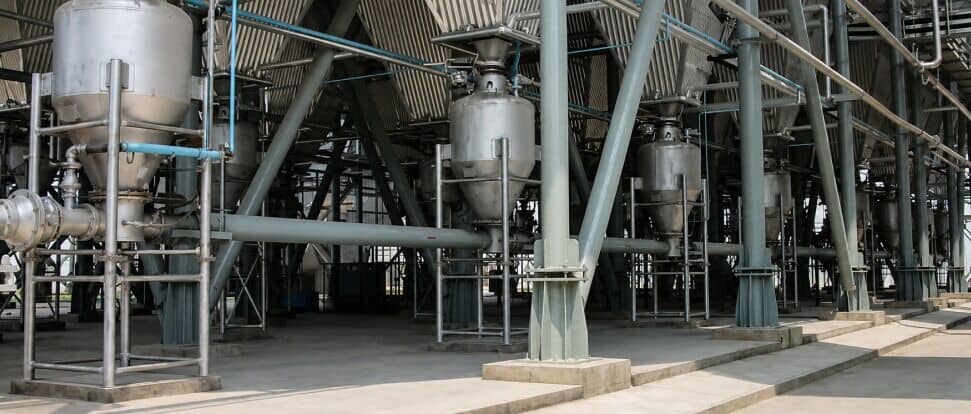
Industries worldwide are facing an escalating challenge—efficiently managing ash disposal while ensuring minimal environmental impact. Power plants, steel factories, and cement industries generate massive amounts of fly ash and bottom ash, which, if not handled properly, can lead to air pollution, water contamination, and high operational costs.
For decades, industries relied on traditional ash handling methods, including mechanical conveyors, wet slurry disposal, and truck-based transport. However, these outdated methods have proven to be inefficient, expensive, and environmentally harmful.
Enter pneumatic ash handling systems—a revolutionary solution that is transforming the way industries manage ash disposal. With advanced Dense Phase Pneumatic Conveying technology, companies can now transport ash efficiently, reducing pollution, operational costs, and energy consumption.
The Problem with Traditional Ash Disposal Methods
Many industries still rely on conventional ash handling methods, but these approaches come with significant drawbacks:
Mechanical Conveying Systems
- Requires extensive manual handling and maintenance.
- Prone to frequent breakdowns, leading to costly downtimes.
- Generates excessive dust, posing health risks to workers.
Wet Ash Handling (Slurry Systems)
- Uses large amounts of water, leading to resource wastage.
- Creates ash ponds, which can cause severe groundwater contamination.
- High energy consumption for pumping and water treatment.
Truck-Based Ash Disposalv
- Leads to traffic congestion and higher carbon emissions.
- Involves significant labor costs and logistical challenges.
- Risk of spillage and dust pollution during transportation.
Clearly, these traditional methods fail to meet modern efficiency and sustainability standards. As industries seek cleaner, faster, and more cost-effective solutions, pneumatic ash handling systems have emerged as the future of ash disposal.
What Are Pneumatic Ash Handling Systems & How Do They Work?
Unlike traditional methods that rely on mechanical belts, water, or manual transportation, pneumatic ash handling systems use air pressure and pipelines to transport ash from one location to another in a fully enclosed system.
The most advanced form of this technology is Dense Phase Pneumatic Conveying, pioneered in India by Macawber Beekay. This system moves ash in a controlled, low-velocity manner, ensuring minimal wear and tear on pipelines while maximizing efficiency.
Key Components of a Pneumatic Ash Handling System
- Air Compressors & Blowers – Provide the necessary air pressure for conveying.
- Transfer Pipes & Valves – Transport ash through sealed pipelines.
- Ash Storage Silos – Securely store fly ash for further processing or disposal.
- Control Systems – Automate the process for efficiency and safety.
The result?
Faster, cleaner, and more cost-effective ash disposal, with industries experiencing lower maintenance costs, improved safety, and reduced environmental impact.
Why Pneumatic Ash Handling is the Future
Industries are constantly seeking cost-effective, environmentally friendly, and efficient solutions for ash disposal. Pneumatic conveying systems check all these boxes, offering a superior alternative to conventional methods. Here’s why:
1. Superior Efficiency & Cost Savings
- Pneumatic systems operate in a fully enclosed pipeline, eliminating ash spillage and minimizing material loss.
- They reduce manual labor costs, as the entire process is automated.
- Lower maintenance costs due to minimal moving parts compared to mechanical conveyors.
2. Environmental & Sustainability Benefits
- Significantly reduces dust emissions, ensuring compliance with environmental regulations.
- Unlike wet ash handling, it eliminates the need for excessive water usage, preserving natural resources.
- Helps in fly ash reuse for cement and construction industries, promoting circular economy initiatives.
3. Safety & Workplace Improvements
- Traditional systems expose workers to hazardous ash dust and physical risks—pneumatic systems eliminate this exposure.
- Automation minimizes human intervention, reducing workplace accidents.
- Cleaner air quality in industrial plants enhances overall worker health and compliance with safety standards.
4. Advanced Automation & Smart Technology
- Modern pneumatic ash handling systems are equipped with AI-driven monitoring to optimize performance.
- Predictive maintenance alerts reduce unexpected breakdowns, increasing system longevity.
- Energy-efficient blowers and compressors ensure lower power consumption, improving sustainability.
Industries Benefiting from Pneumatic Ash Handling
Several industries are experiencing a major transformation by adopting pneumatic ash handling systems:
Power Plants
- Fly ash is efficiently transported from boilers to silos, reducing handling costs.
- Meets stringent pollution control regulations, ensuring compliance with environmental standards.
Cement & Construction
- Fly ash is a key ingredient in blended cement and concrete—pneumatic systems ensure a seamless supply.
- Industries can store, transport, and reuse fly ash with minimal wastage.
Steel & Metallurgical Industries
- Handles dust and ash generated from blast furnaces and kilns without pollution risks.
- Enhances workplace safety by removing airborne ash particles.
Macawber Beekay: Pioneering Pneumatic Ash Handling in India
For over three decades, Macawber Beekay has been at the forefront of Dense Phase Pneumatic Conveying technology, bringing global innovations to Indian industries.
- Legacy of Innovation: India’s first company to introduce Dense Phase Pneumatic Conveying for fly ash transfer.
- Trusted by Leading Industries: Partnering with power plants, cement factories, and heavy industries to revolutionise ash handling.
- Custom-Engineered Solutions: Designing tailored ash handling systems that maximise efficiency and cost savings.
- Sustainability Focus: Helping industries achieve zero-emission ash disposal while enhancing productivity.
Future Innovations in Pneumatic Ash Handling
The future of ash disposal technology is being shaped by cutting-edge advancements, including:
- AI & IoT Integration: Smart systems that self-optimize for maximum efficiency.
- Energy-Efficient Blowers: Reducing power consumption while maintaining high-speed ash transfer.
- Carbon-Neutral Operations: Innovations that align with global sustainability goals.
Conclusion: Time to Upgrade Your Ash Handling System
Traditional ash disposal methods are outdated, inefficient, and environmentally harmful. Pneumatic ash handling is the future, offering:
- Lower costs
- Minimal environmental impact
- Higher efficiency & automation
- Safer workplaces
Industries that want to stay ahead of regulations and competition must adopt modern, sustainable solutions. And when it comes to state-of-the-art pneumatic ash handling, Macawber Beekay remains the industry leader.
Questions this answers
What are the key components of a pneumatic ash handling system?
A pneumatic ash handling system comprises air compressors and blowers that supply the conveying pressure, transfer pipes and valves that carry ash through sealed pipelines, ash storage silos that hold fly ash for further processing or disposal, and control systems that automate the process. In dense phase conveying the ash moves at low velocity, limiting wear on the pipelines.
Systems discussed
- Fly ash handlingFly ash handling systems that convey dry fly ash from ESP, APH and economiser hoppers to silos by dense phase pressure or vacuum conveying, with Dome Valves.
- Ash handlingAsh handling systems and plants for PF and CFBC boilers: fly ash, bottom ash, dry bottom ash and slurry disposal, designed and built by Macawber Beekay.
- Dome ValveMacawber Beekay Dome Valve: full-bore flow, inflatable pressure-tight seal, 50-500 mm bore, -20 °C to +480 °C, up to 30 bar, for abrasive bulk materials.
More from our engineers
- Coal Handling System for Power Plants: Macawber Beekay's EPC ExpertiseHow a power plant coal handling system works, from wagon tippler or track hopper unloading through crushing, stacking and reclaiming to bunker feeding.
- Different Types of Bottom Ash Handling Systems ExplainedWet jet pumping, semi-dry submerged scraper chain conveyor (SSCC), dry mechanical and dense phase pneumatic bottom ash handling compared on water use and fit.
- Pneumatic Ash Handling System for CFBC Boilers: How It Handles Bed Ash and Fly AshWhy dense phase pneumatic conveying suits CFBC and AFBC bed ash and fly ash, the key design points, and the 2 x 300 TPH CFBC boiler project at HMEL Bhatinda.
Talk to our engineers.
Planning a new plant or upgrading one? Our engineering team in Noida is ready to help.
