
Ship and barge loading system
A ship and barge loading system transfers bulk material from shore storage into the hold of a ship or barge.
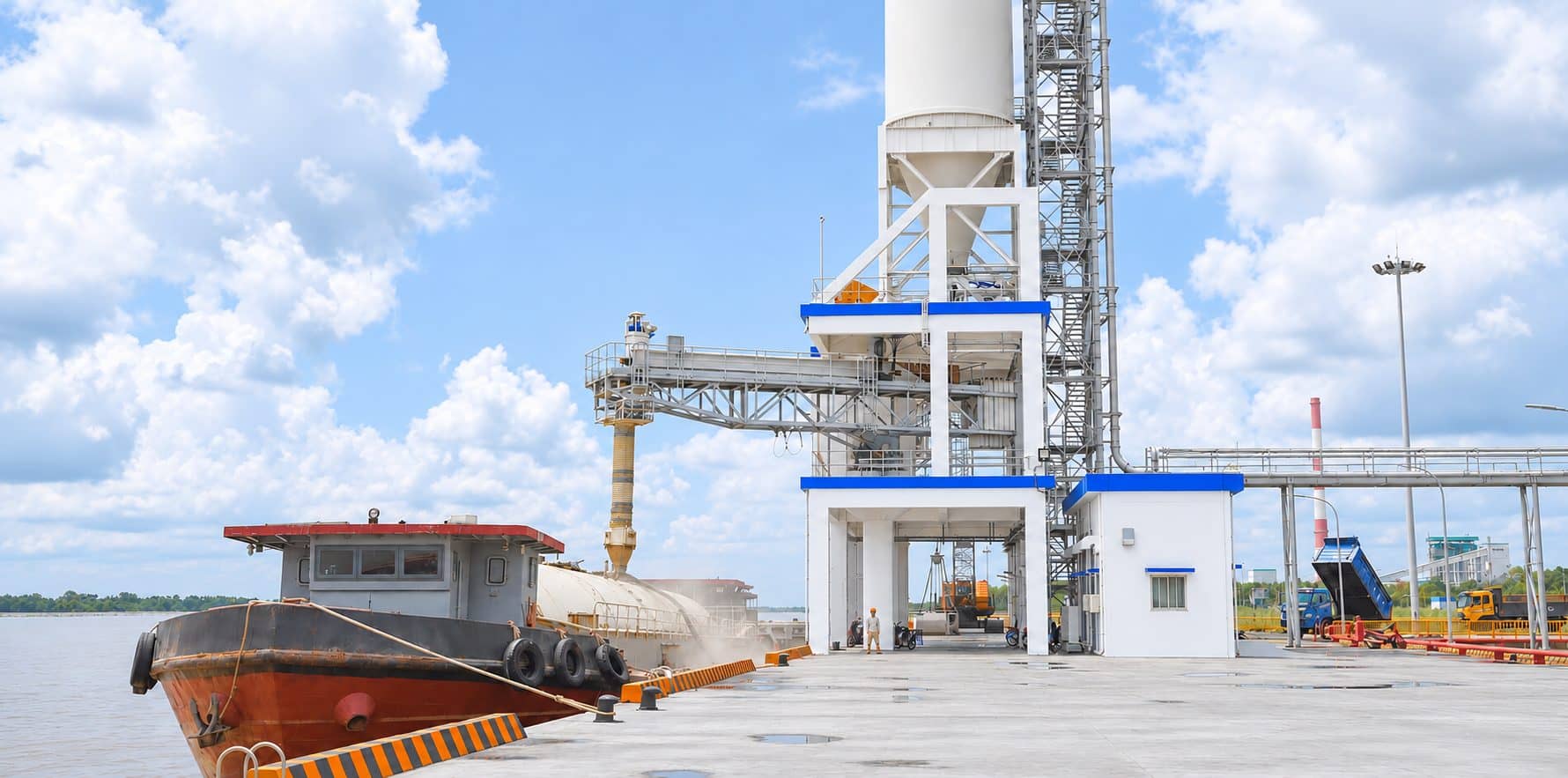

Macawber Beekay builds stationary ship and barge loading systems on jetties for fly ash, so coastal power plants can export their fly ash to cement plants or for safe disposal elsewhere. Each system runs from a PLC panel with a dust-controlled telescopic loader and a pivoting boom.
Fly ash export by sea
Ships and barges are widely used across the world to carry bulk materials. Macawber Beekay specialises in ship and barge loading systems for fly ash. They are especially relevant to coastal power plants that need to export their fly ash for use in cement plants or for safe disposal. Building on our experience in fly ash handling, we offer stationary ship and barge loading systems designed for installation on jetties.
System components
- Fly ash buffer silo with a pulse jet bag filter and level measuring instruments on top.
- Isolation and process valves at the silo bottom.
- Fly ash extraction equipment: a rotary feeder with VFD and a set of screw conveyors.
- Boom structure with pivot.
- Telescopic loader with dedusting arrangement.
Operating procedure
The system is operated through a PLC-based control panel. A local/remote selection switch on the ship loading panel lets the equipment also be run in sequence from the local panel, in sync with the PLC.
Pivoting
Once the ship is placed, the main arm of the boom rotates from the local panel, either for loading or for stowing. Any arm position is possible during loading. When the position is reached, the boom rotation soft-stops by engaging the brake, holding the position without bouncing.
Loading
When the pivoting operation is confirmed, the telescopic loader is lowered to the ship and held at a height commanded by a radar sensor. The de-dust blower then starts and dedusts the loading duct.
- When all is clear, the loading screw conveyor starts, the feeding screw conveyor follows after a time gap, and finally the rotary valve at the silo starts.
- The silo outlet valve then opens, material passes through the rotary vane feeder in a limited quantity, and ship loading begins.
Stopping
The stopping sequence is run from the local operator panel.
- The silo outlet valve closes first, then the rotary vane feeder stops.
- The feeding screw conveyor runs for a few seconds and stops; the loading conveyor then runs for a few seconds and stops.
- The telescopic loader is rewound into its stowing position, the dedusting blower is stopped, and the loader is set to stand-by.
- Once the ship is fully loaded, the main arm is stowed to its initial position.
Last reviewed
Ship/barge loading
| Material | Fly ash |
|---|---|
| Installation | Stationary, on a jetty |
| Storage | Fly ash buffer silo with pulse jet bag filter and level instruments |
| Extraction | Rotary feeder with VFD and a set of screw conveyors |
| Loading | Pivoting boom with telescopic loader and dedusting |
| Control | PLC panel with local/remote selection |
| Loader height | Held by radar sensor |
Talk to our engineers
Our team in Noida answers enquiries on ship/barge loading.
Get in touch+91 120 450 7700On site and in the works
How it works, stage by stage
Pivot the boom
Once the ship is in place, the main arm of the boom rotates from the local panel to any position over the hold; a brake gives a soft stop and holds it without bouncing.
Lower the loader
The telescopic loader is lowered to the ship and held at a height set by a radar sensor, and the dedusting blower starts to extract dust from the loading duct.
Start the feed
The loading screw conveyor starts first, then the feeding screw conveyor after a time gap, then the rotary vane feeder; the silo outlet valve opens and loading begins.
Stop in sequence
The silo outlet valve closes, the rotary feeder stops, and the feeding and loading conveyors run on briefly to clear before stopping.
Stow
The telescopic loader rewinds to its stowing position, the dedusting blower stops, and once the ship is fully loaded the boom returns to its initial position.
Questions buyers ask
Why do coastal power plants need a ship loading system for fly ash?
Coastal power plants often need to export the fly ash they generate, either for use in cement plants or for safe disposal elsewhere. A jetty-mounted ship and barge loading system transfers fly ash from a buffer silo into vessels, making sea transport of bulk fly ash practical.
What are the components of a ship and barge loading system?
Macawber Beekay's system includes a fly ash buffer silo with pulse jet bag filter and level instruments, isolation and process valves at the silo bottom, a rotary feeder with VFD and a set of screw conveyors, a boom structure with pivot, and a telescopic loader with dedusting arrangement.
How is dust controlled during ship loading?
The telescopic loader carries a dedusting arrangement. Before any material flows, the loader is lowered to the ship and a de-dust blower starts to extract dust from the loading duct; it stops only after the loader has been rewound to its stowing position.
How is the ship loading system controlled?
The system runs from a PLC-based control panel. A local/remote selection switch on the ship loading panel lets operators run the equipment in sequence from the local panel as well, in sync with the PLC. Pivoting, loading and stopping each follow a fixed sequence, from boom rotation to stowing the loader.
Explore related systems.
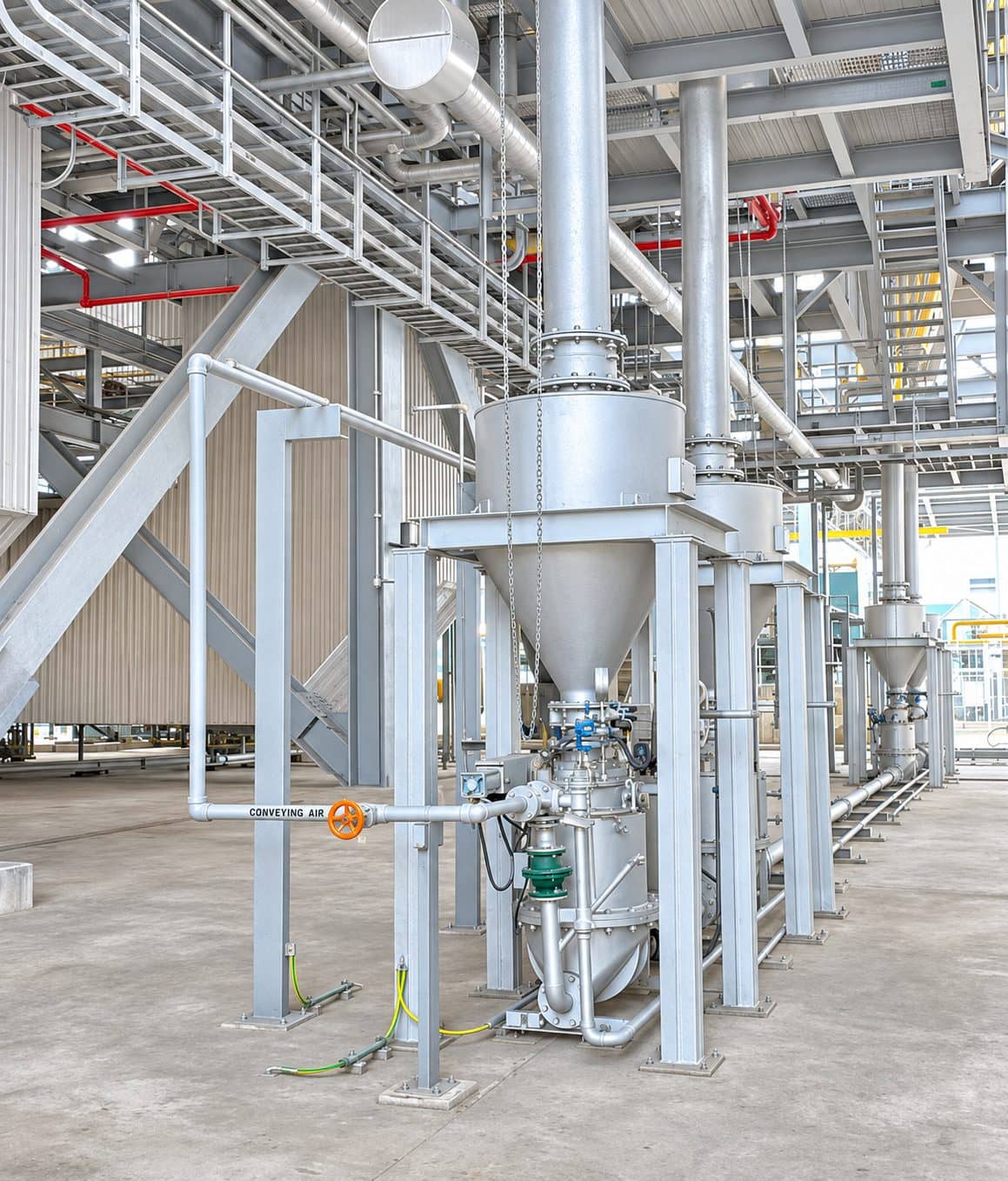 Fly ash handlingFly ash handling systems that convey dry fly ash from ESP, APH and economiser hoppers to silos by dense phase pressure or vacuum conveying, with Dome Valves.
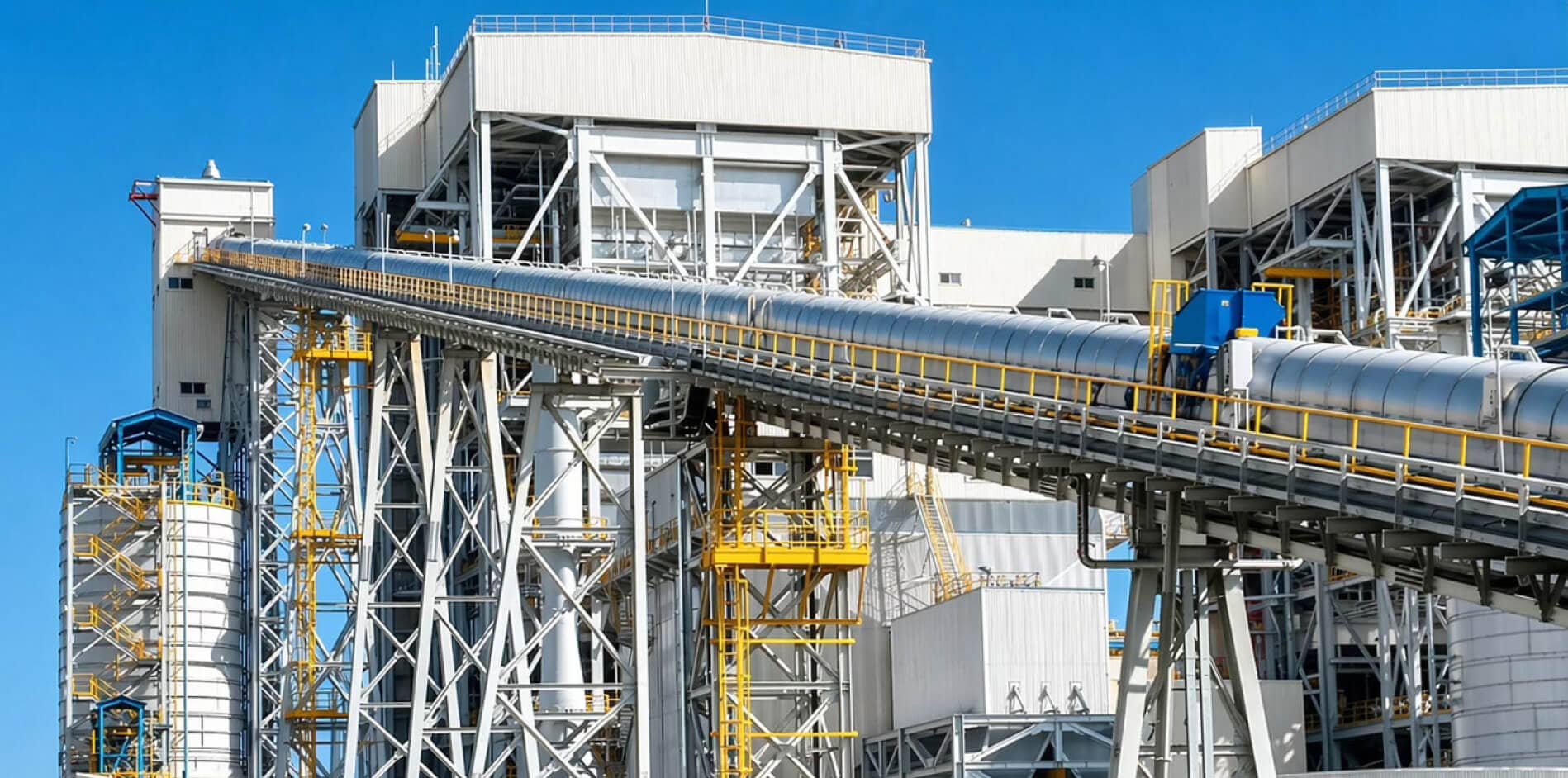 Bulk material handlingBulk material handling: dense phase pneumatic conveying of cement, raw meal, limestone, sand and dusts, plus mechanical fly ash systems for cement plants.
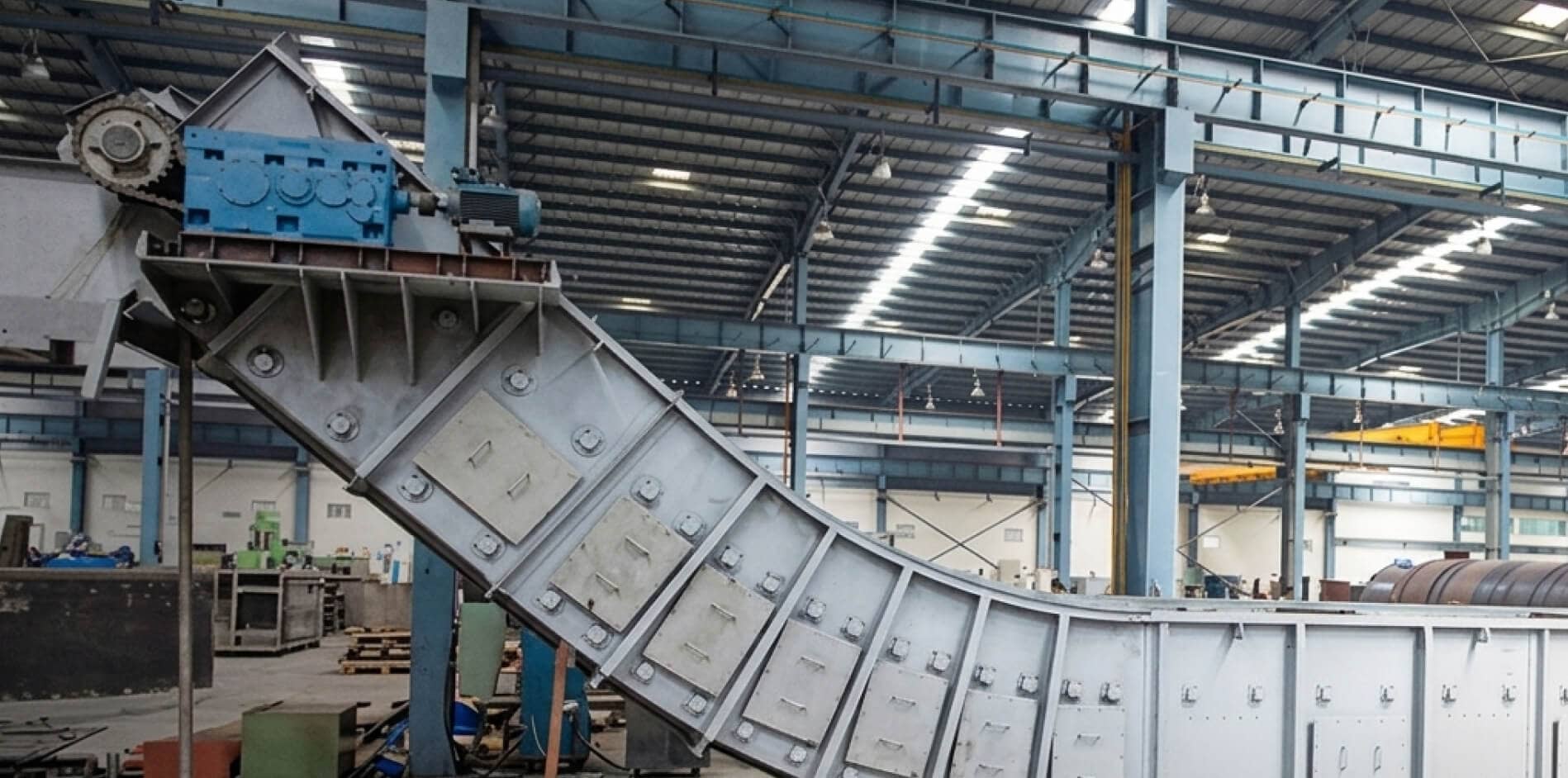 Ash handlingAsh handling systems and plants for PF and CFBC boilers: fly ash, bottom ash, dry bottom ash and slurry disposal, designed and built by Macawber Beekay.
 IndustriesMaterial handling for power, cement, alumina, steel, chemicals, sugar, paper and foundry plants: ash, coal, dense phase conveying and red mud disposal.
Talk to our engineers.
Planning a ship/barge loading project, or upgrading one? Our engineering team in Noida is ready to help.
