
What Is the Composition of Coal Refuse?
What coal refuse contains (sandstone, shale, clay, silt, coal dust, pyrite), the risks of refuse piles, and its uses in land reclamation and bricks.
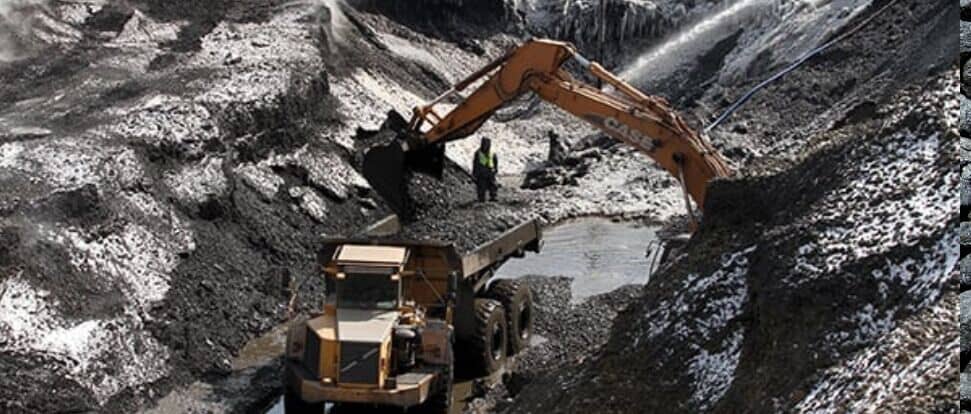
Coal refuse, also known as coal waste, is a byproduct of the coal mining process that is generated when coal is extracted from the ground. It is composed of various types of rock, soil, and other materials that are removed from the ground along with coal. The composition of coal refuse can vary depending on the type of coal being mined, as well as the location and depth of the mine. In general, coal refuse contains a mixture of rock, soil, and other materials that were removed from the ground during the mining process.
The most common materials found in coal refuse include sandstone and shale, which are sedimentary rocks that were formed millions of years ago and contain a mixture of sand, clay, and other minerals. Clay is also commonly found in coal refuse and is often used in construction materials, such as bricks and tiles. Silt, fine-grained sediment found in rivers and streams, can also be found in coal refuse and can cause problems when released into the environment. Coal dust, a fine-grained material produced when coal is crushed or ground, is another common material found in coal refuse and can pose a health hazard when released into the air. Pyrite, a mineral commonly found in coal, can oxidize and produce sulfuric acid when exposed to air and water, causing environmental damage.
Improper disposal or management of coal refuse can have significant environmental impacts. The materials found in coal refuse can release harmful pollutants and contaminants into the environment, including heavy metals, sulfur, and other pollutants. When coal refuses is stored in large piles or waste banks, it can pose a risk of fires and explosions, releasing harmful pollutants into the air and water and negatively affecting nearby communities. Coal refuse can also contaminate water sources, making them unfit for human or animal consumption. Proper management and disposal of coal refuse are crucial to prevent long-term environmental damage.
Despite being considered a waste product, coal refuses can be used in a variety of applications. It can be used for land reclamation purposes, such as filling in abandoned mines or restoring damaged ecosystems, which can reduce the environmental impact of mining operations and promote sustainable land use practices. Coal refuse can also be used to make construction materials, such as bricks, tiles, and concrete blocks, reducing the amount of waste generated during the mining process. It can be used as a soil amendment to improve soil fertility and reduce erosion, and it can be burned in power plants to generate electricity, although it is not as efficient as traditional coal.
In conclusion, coal is a byproduct of coal mining and processing that is composed of various types of rock, soil, and other materials. Its composition can vary depending on the type of coal being mined and the location and depth of the mine. Proper management and disposal of coal refuse are crucial to prevent long-term environmental damage, but they can also be used in a variety of applications, including land reclamation, construction materials, soil amendment, and energy generation.
In the Previous blog post, we’ll explore the mysterious world of green coal and uncover the facts you need to know.
Systems discussed
- Coal handlingTurnkey coal and lime handling plants: wagon tipplers, track hoppers, feeders, crushers, screens, stacker-reclaimers, and civil, structural, electrical works.
- Coal mill rejectsPneumatic coal mill rejects handling: dense phase conveying of pyrites and rejects up to 40 mm from pulveriser mills to bunkers, one enclosed system per mill.
More from our engineers
- Coal Handling System for Power Plants: Macawber Beekay's EPC ExpertiseHow a power plant coal handling system works, from wagon tippler or track hopper unloading through crushing, stacking and reclaiming to bunker feeding.
- Different Types of Bottom Ash Handling Systems ExplainedWet jet pumping, semi-dry submerged scraper chain conveyor (SSCC), dry mechanical and dense phase pneumatic bottom ash handling compared on water use and fit.
- Pneumatic Ash Handling System for CFBC Boilers: How It Handles Bed Ash and Fly AshWhy dense phase pneumatic conveying suits CFBC and AFBC bed ash and fly ash, the key design points, and the 2 x 300 TPH CFBC boiler project at HMEL Bhatinda.
Talk to our engineers.
Planning a new plant or upgrading one? Our engineering team in Noida is ready to help.
