
Coal mill rejects handling
A coal mill rejects handling system removes the hard rejects, such as pyrites, that coal pulverising mills throw out, and carries them to a storage bunker.
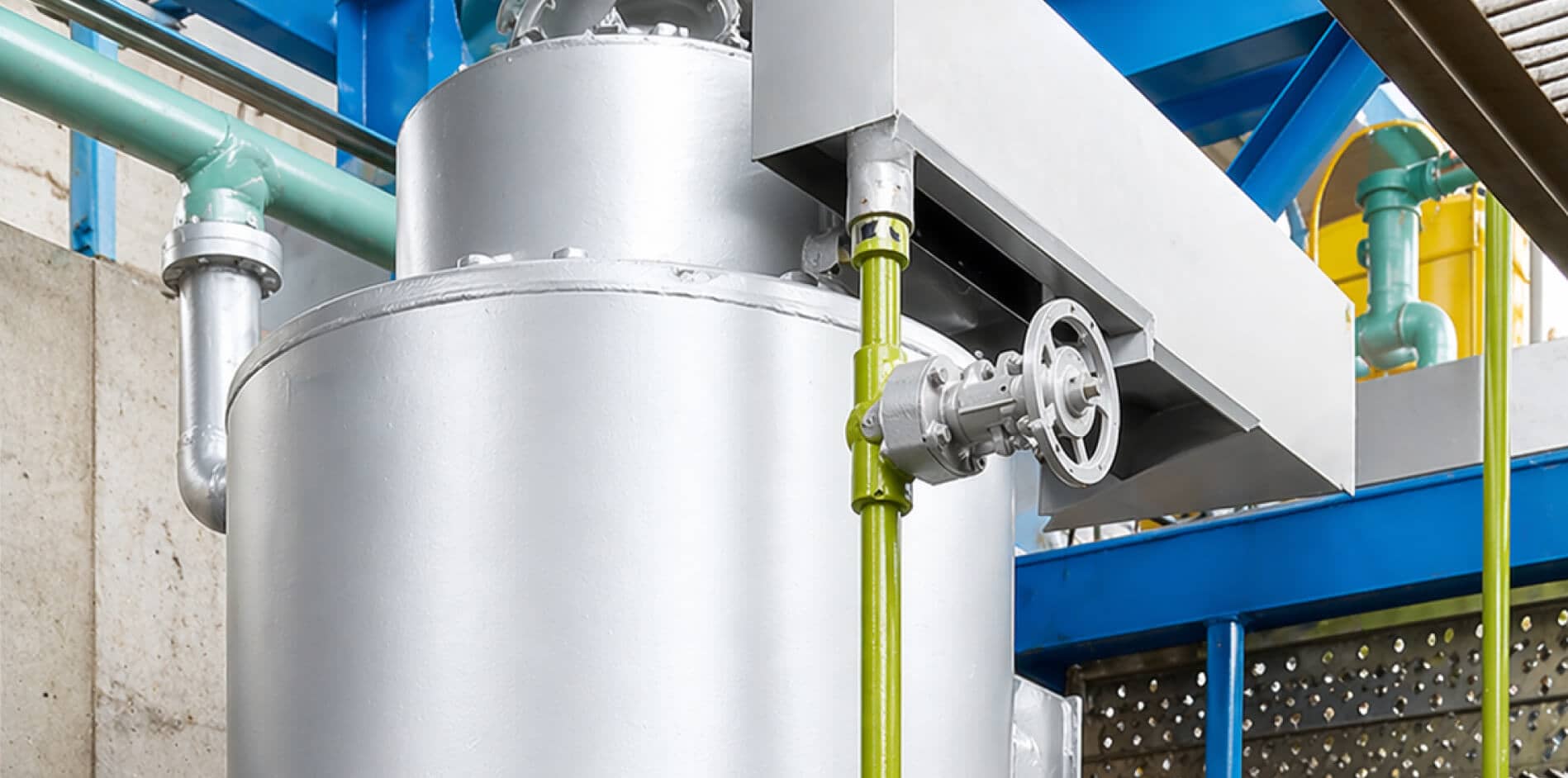

Macawber Beekay pioneered dense phase pneumatic conveying for this difficult material: rejects up to 40 mm travel from each mill to the bunkers through overhead pipelines, in a totally enclosed system with negligible maintenance.
Dense phase conveying for difficult rejects
Macawber Beekay pioneered dense phase pneumatic conveying for difficult materials such as the rejects, of sizes up to 40 mm, that come from coal pulverising mills in power plants. Conventional conveying systems suffer from frequent breakdowns, burning of belts, spillage of rejects, heavy structural works that restrict movement and choking of screws, leading to production losses and heavy maintenance and replacement costs.
Our pneumatic mill rejects handling system offers:
- negligible maintenance and recurring costs;
- very little floor area for installation;
- conveying pipes that travel overhead, leaving plant movement unhindered;
- no excavation such as trenches and civil foundations;
- a totally enclosed system, so mill rejects are never spilled;
- an individual system for each mill.
With a proven track record in power plants, dense phase pneumatic conveying of mill rejects is now an established technology widely accepted by power plant engineers.
System scope
At the mill and pyrite hopper
- Pneumatically operated knife gate valve at the mill outlet spout.
- Pyrite hopper with sizing grid, flexible or expansion joint at its inlet, rupture disc, bypass chute, oversize material chute, inspection window, water spray nozzles and supporting structures.
- Level switch and temperature switch in the pyrite hopper.
- Pneumatically operated knife gate valves at the pyrite hopper outlet and the oversize discharge chute.
- Denseveyor vessel with a pneumatically operated inlet Dome Valve and local control panel.
Conveying and storage
- MS ERW pipe for conveying rejects from the Denseveyor vessel to the storage bunker, with alloy CI bends and fittings.
- Terminal boxes on the bunker top where the conveying pipes end.
- Mill rejects bunkers with structure, a manually operated discharge gate at the outlet, a bag filter and level sensors on top.
- Conveying air compressors with drive motor, local control panel and accessories.
Reference: 2×250 MW PF power plant
For BHEL, Macawber Beekay designed, engineered, manufactured, supplied, erected, tested and commissioned the complete mill rejects handling system for Stage II (2×250 MW) of NTPC SAIL Power Company Ltd. Each unit has seven mills, three on one side of the boiler and four on the other, and each mill has its own collection and conveying equipment feeding a storage bunker for its unit. Two 100% reciprocating, non-lubricated air compressors (one working, one standby) supply the conveying air.
Further reading
Last reviewed
Mill rejects handling
| Material | Coal mill rejects, sizes up to 40 mm |
|---|---|
| From / to | Coal pulverising mills to rejects storage bunkers |
| Conveying | Dense phase pneumatic (Denseveyor vessel) |
| Inlet valve | Pneumatically operated Dome Valve |
| Arrangement | Individual system for each mill |
| Pipe routing | Overhead, leaving plant movement unhindered |
| Pipeline | MS ERW pipe with alloy CI bends |
Talk to our engineers
Our team in Noida answers enquiries on coal mill rejects.
Get in touch+91 120 450 7700How it works, stage by stage
Collect in the pyrite hopper
Rejects drop from the mill outlet, through a pneumatically operated knife gate valve, into the pyrite hopper. A sizing grid retains oversized material, which leaves through a separate oversize chute.
Charge the Denseveyor
The Denseveyor vessel below the pyrite hopper fills through its Dome Valve, which then closes and seals the vessel.
Convey to the bunker
Compressed air from dedicated compressors pushes the rejects through an independent pipeline to a terminal box on top of the rejects bunker.
Vent and discharge
A bag filter on the bunker vents clean air, level sensors monitor the fill, and a manually operated gate discharges rejects into trucks.
Questions buyers ask
What are coal mill rejects?
Coal mill rejects are the hard, heavy material, such as pyrites, that coal pulverising mills reject instead of grinding. They are abrasive and difficult to handle, and Macawber Beekay's system conveys rejects of sizes up to 40 mm from the mills to storage bunkers.
Why use pneumatic conveying for mill rejects?
Conventional systems suffer frequent breakdowns, burnt belts, spillage, choked screws and heavy structures that restrict movement. A dense phase pneumatic system has negligible maintenance and recurring costs, needs very little floor area, runs its pipes overhead, needs no trenches or civil foundations, and is totally enclosed, so rejects are not spilled.
Does each mill need its own rejects system?
Yes. Macawber Beekay provides an individual system for each mill, with its own pyrite hopper, Denseveyor vessel and conveying pipeline to the rejects bunker. On one 2×250 MW project, every one of the seven mills on each unit had its own collection and conveying equipment.
What equipment does a mill rejects handling system include?
The system includes knife gate valves at the mill outlet and pyrite hopper, the pyrite hopper with sizing grid, rupture disc and water spray nozzles, a Denseveyor vessel with Dome Valve, MS ERW conveying pipes with alloy CI bends, terminal boxes, rejects bunkers with bag filter and level sensors, and conveying air compressors.
Explore related systems.
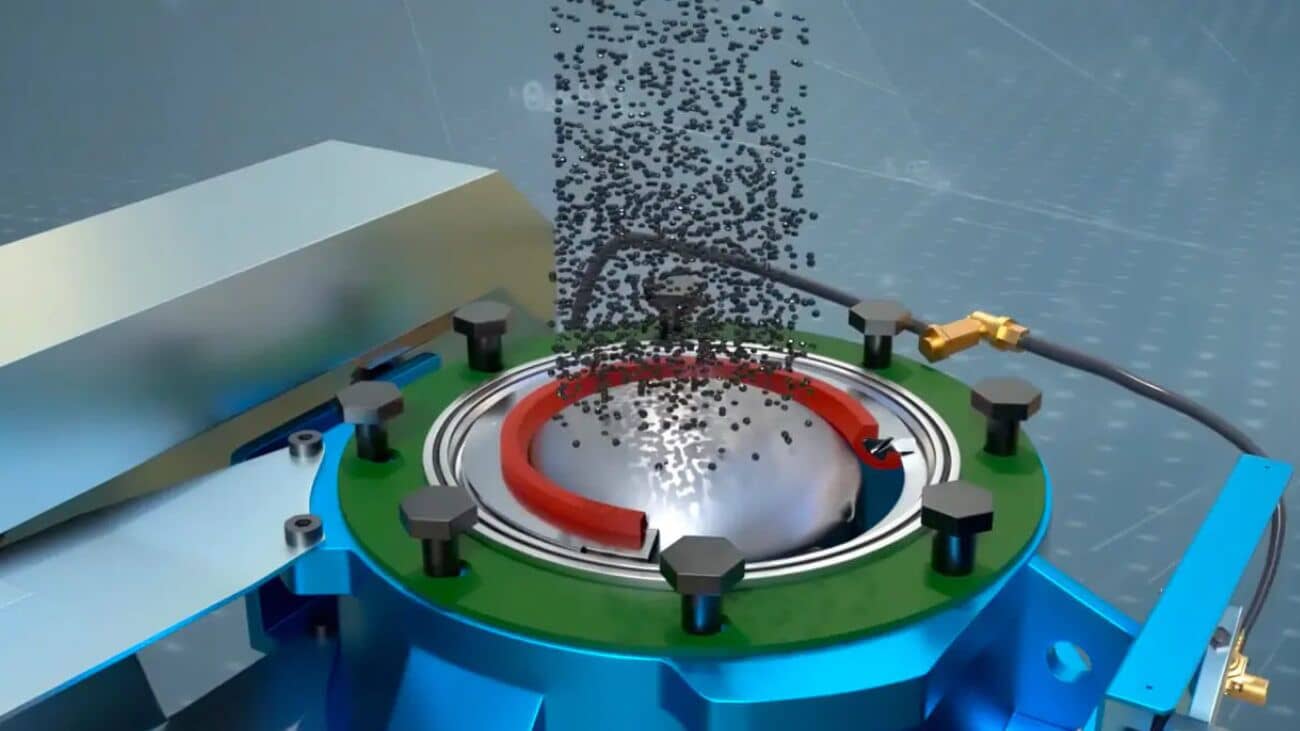 Dome ValveMacawber Beekay Dome Valve: full-bore flow, inflatable pressure-tight seal, 50-500 mm bore, -20 °C to +480 °C, up to 30 bar, for abrasive bulk materials.
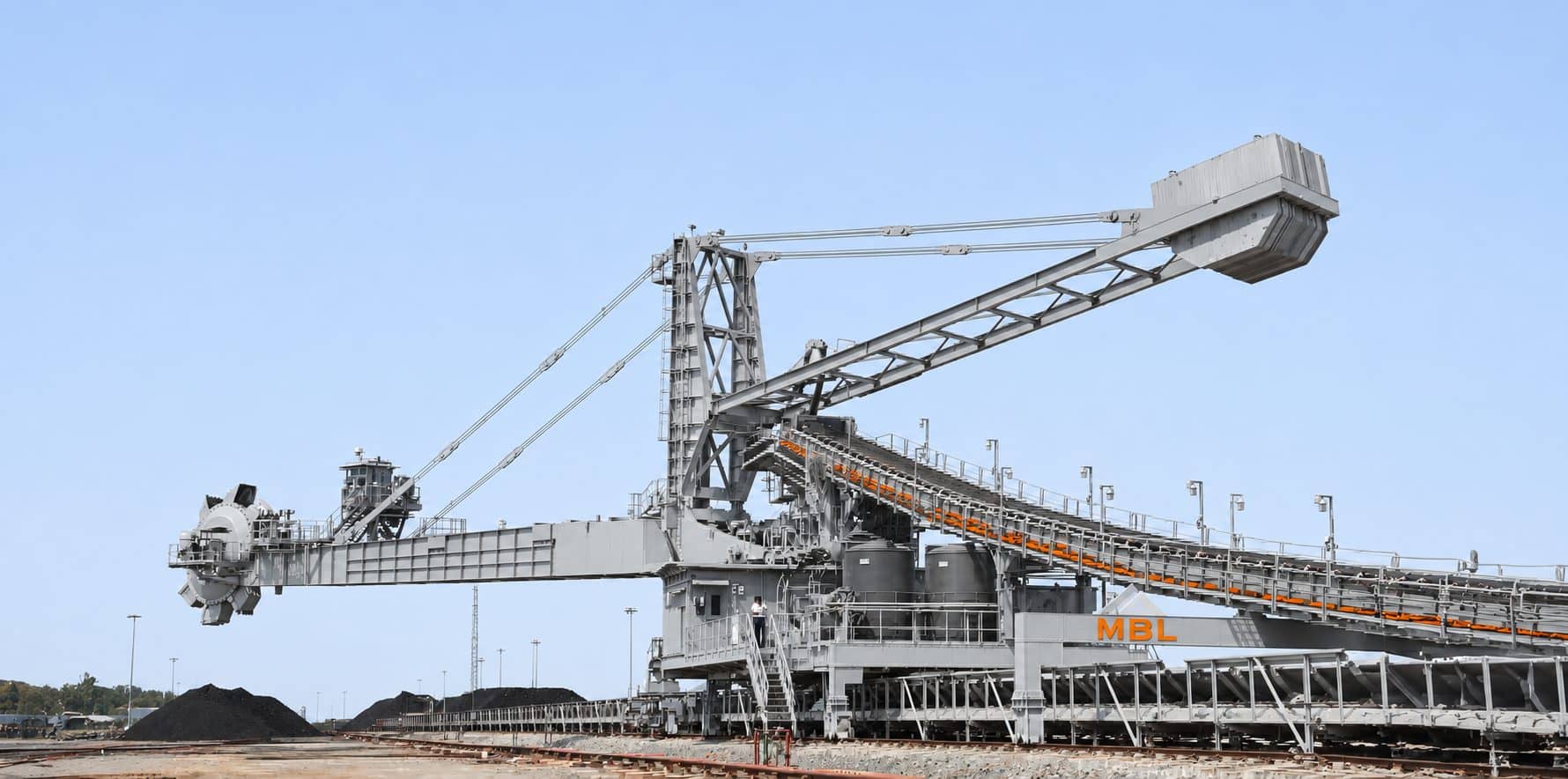 Coal handlingTurnkey coal and lime handling plants: wagon tipplers, track hoppers, feeders, crushers, screens, stacker-reclaimers, and civil, structural, electrical works.
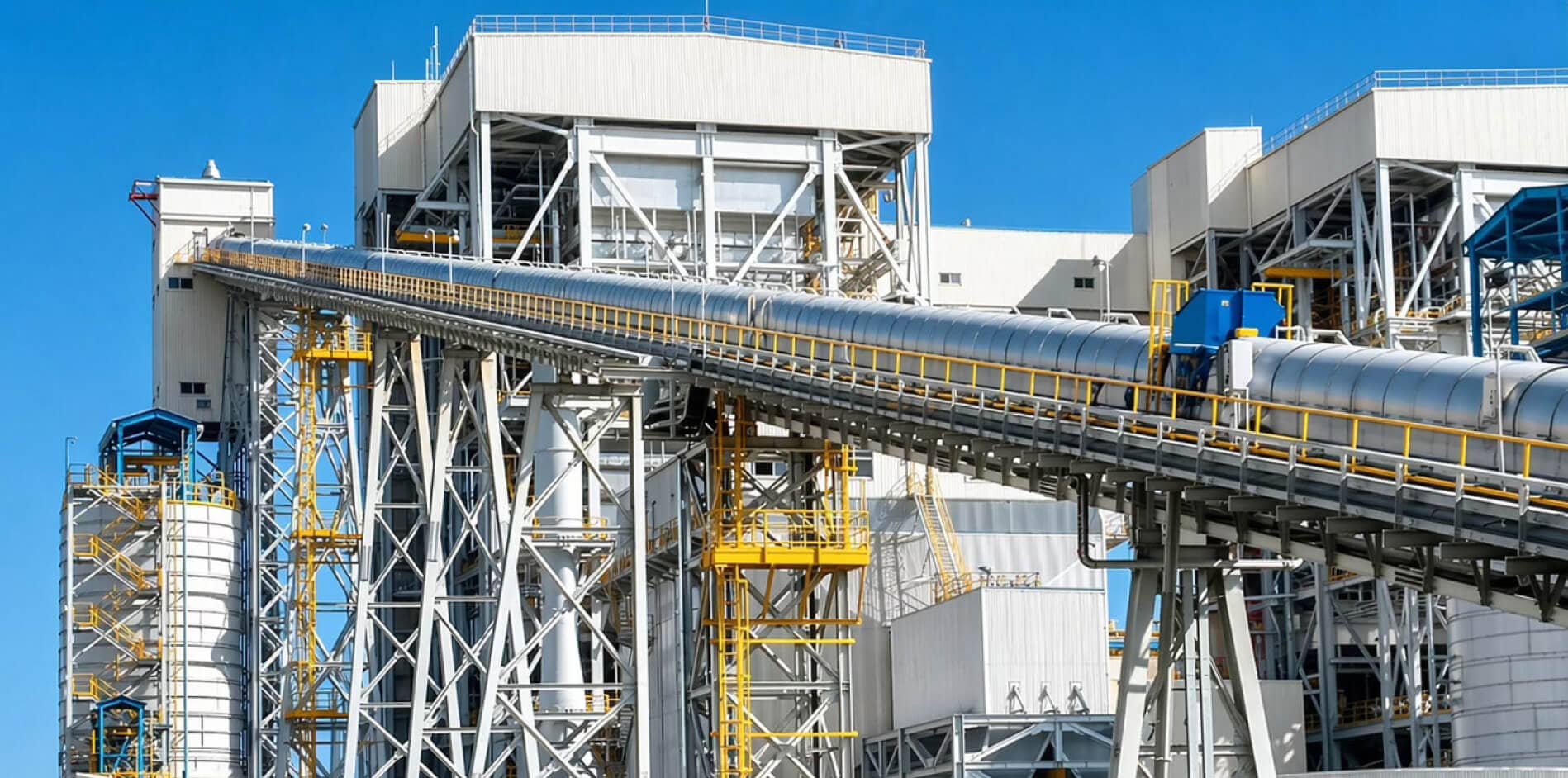 Bulk material handlingBulk material handling: dense phase pneumatic conveying of cement, raw meal, limestone, sand and dusts, plus mechanical fly ash systems for cement plants.
 Ash handlingAsh handling systems and plants for PF and CFBC boilers: fly ash, bottom ash, dry bottom ash and slurry disposal, designed and built by Macawber Beekay.
Talk to our engineers.
Planning a coal mill rejects project, or upgrading one? Our engineering team in Noida is ready to help.
