
What Are the Different Types of Ash Handling System?
Hydraulic, pneumatic and mechanical ash handling explained, with fly ash, bottom ash and slurry disposal, and typical ash generation for a 2 x 500 MW plant.
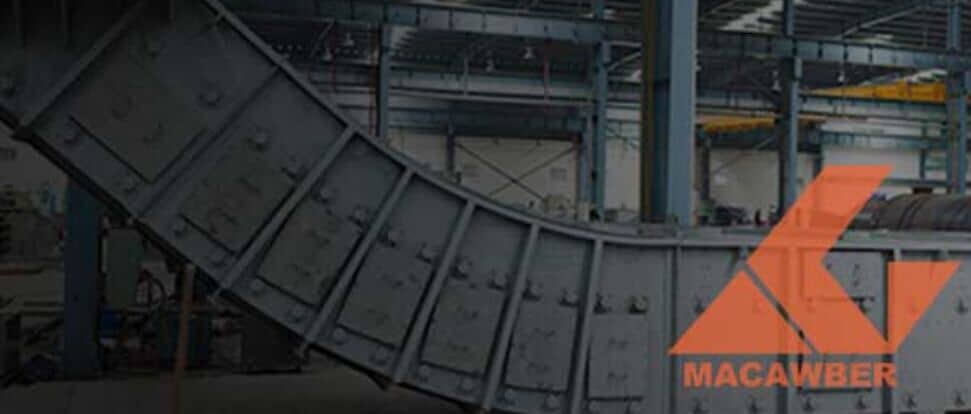
In thermal power plants, an ash handling system is used to collect and dispose off discharged ash, once it has been cooled down to a manageable temperature, which is then used in various industries like construction, cement plants, and other allied industries.
Typically for a 2×500 MW plant based on Indian coal, the amount of ash generated is around 300 to 400 TPH depending on gross calorific value and ash content of the coal.
The amount of ash produced when coal is burnt in a thermal power plant is roughly thousands of tonnes. It could have an effect on other subjects too if proper ash handling methods are not followed.
Ash is conveyed mechanically, pneumatically and hydraulically. Mechanical systems typically include submerged or dry-flight conveyors, screw conveyors, and belt conveyors. Pneumatic systems may be positive or negative pressure Hydraulic systems are also known as sluice systems and may be used independently or in combination with pneumatic systems. The pneumatic and hydraulic systems utilise pipes.
ASH HANDLING SYSTEM:
About 80% of the ash that is generated in a thermal power plant is fly ash, with the remaining 20% being bottom ash. In the last 15-20 years, it is a trend worldwide to use dense phase pneumatic conveying for fly ash collection and handling within a power plant For different environmental, economic and product benefits, coal ash is used by different types of industries in different ways of its necessity.
FLY ASH DISPOSAL
Fly Ash should be disposed of in dry mode (for normal continuous operation) and in wet slurry mode or high concentration slurry disposal (HCSD) mode (for initial operation period till 100% dry fly ash utilization is achieved and emergency operation when the dry disposal is interrupted). Fly Ash is a fine particulate that is collected via an economic hopper, air-preheated hopper and electrostatic precipitator (ESP).
BOTTOM ASH DISPOSAL
Bottom ash should be disposed of in a wet or semi-wet mode. Bottom Ash is mostly coarse and hence needs to be crushed before it is transported via an Ash Handling System.
In view of the above, the ash handling system covers evacuation of ash and its disposal in wet, semi-wet and dry form and consists of numerous equipment that works in a coordinated manner to achieve the ultimate functional need.
ASH HANDLING SYSTEMS ARE PRIMARILY BIFURCATED ON THE FOLLOWING GROUNDS:
-
Fly Ash Handling System:
Fly Ash is captured and removed from the flue gases by an economizer, air-preheater, and ESP that are located at the outlet of the furnace and before the induced draft. The fly ash is pneumatically transported from collection hoppers of the economiser, air-preheater, and ESP to the storage silos.
-
Bottom Ash Disposal System:
This system collects ash in the bottom hopper which is located directly under the furnace boiler. As this is coarse in nature, it has to be treated by multiple systems like clinker grinders which then ensure that the size of the bottom ash is manageable and can be easily transported to temporary storage or to an ash pond in slurry form.
-
Ash Slurry Disposal System:
The bottom ash that is collected by the Bottom Ash Disposal System is often mixed with water and transported to an ash disposal area.
THERE ARE THREE MAIN KINDS OF ASH HANDLING SYSTEMS:
- Hydraulic system
- Pneumatic system
- Mechanical system
CLASSIFICATION OF ASH HANDLING SYSTEMS:
-
Hydraulic System:
In this system, ash from the furnace grate falls into a system of water traveling at a high-pressure and is carried to the sumps. It is generally used in large power plants. The hydraulic system is generally used for intermittent ash disposal figures. In this method water at sufficient pressure is used to take away the ash to a sump. The ash is then dumped. In this method, a low-pressure jet of water coming out of quenching nozzle is used to cool the ash. The ash falls into a trough and is then removed.
-
Pneumatic System:
In this system ash from the boiler ash outlet falls into a blow tank provided below the ash hopper. The fly ash is then pushed into pipelines and conveyed by the air stream to the point of delivery. Air leaving the ash separator is passed through a filter to remove dust etc and release clean air to the atmosphere.
-
Mechanical System:
In this system cooled ash falls on the belt conveyor and is carried out continuously to the bunker. The ash is then removed to the dumping site from the ash bunker with the help of trucks.Why Macawber Beekay Ash Handling System is the best: low investment and operating costs, operational safety, simplicity, flexibility and high transport capacity depending on channel size. It has no moving part and transports the material with low speed, in a protecting operating mode.
Questions this answers
What are the three main kinds of ash handling system?
Hydraulic systems carry ash in high-pressure water to sumps and are generally used in large power plants. Pneumatic systems drop ash into a blow tank below the hopper and push it through pipelines with an air stream, filtering the air before release. Mechanical systems carry cooled ash on a belt conveyor to a bunker, from which trucks take it to the dumping site.
How much ash does a 2 x 500 MW thermal power plant generate?
For a 2 x 500 MW plant burning Indian coal, ash generation is typically around 300 to 400 tonnes per hour, depending on the gross calorific value and ash content of the coal. About 80% of the ash generated in a thermal power plant is fly ash, with the remaining 20% being bottom ash.
Systems discussed
- Ash handlingAsh handling systems and plants for PF and CFBC boilers: fly ash, bottom ash, dry bottom ash and slurry disposal, designed and built by Macawber Beekay.
- Fly ash handlingFly ash handling systems that convey dry fly ash from ESP, APH and economiser hoppers to silos by dense phase pressure or vacuum conveying, with Dome Valves.
- Bottom ash handlingBottom ash handling systems for PF and CFBC boilers: jet pump, submerged scraper chain conveyor (SSCC), dry and dense phase systems by Macawber Beekay.
More from our engineers
- Coal Handling System for Power Plants: Macawber Beekay's EPC ExpertiseHow a power plant coal handling system works, from wagon tippler or track hopper unloading through crushing, stacking and reclaiming to bunker feeding.
- Different Types of Bottom Ash Handling Systems ExplainedWet jet pumping, semi-dry submerged scraper chain conveyor (SSCC), dry mechanical and dense phase pneumatic bottom ash handling compared on water use and fit.
- Pneumatic Ash Handling System for CFBC Boilers: How It Handles Bed Ash and Fly AshWhy dense phase pneumatic conveying suits CFBC and AFBC bed ash and fly ash, the key design points, and the 2 x 300 TPH CFBC boiler project at HMEL Bhatinda.
Talk to our engineers.
Planning a new plant or upgrading one? Our engineering team in Noida is ready to help.
