
Ash Handling Systems for Various Types of Boilers
How boiler type shapes the ash handling system: stoker-fired, AFBC, CFBC, pulverised fuel (about 80% fly ash) and waste heat recovery boilers compared.
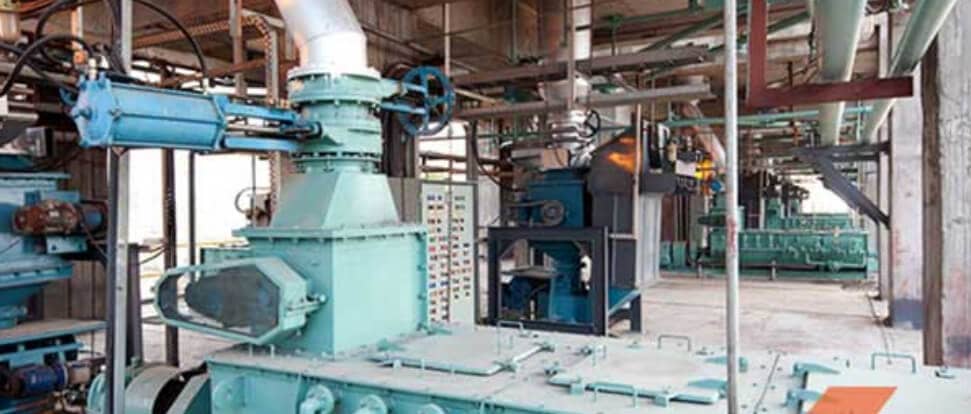
BROADLY SPEAKING, ALL ASH HANDLING SYSTEMS HAVE THE FOLLOWING SEQUENCE OF PROCESSES:
- Ash handling collection
- Ash Handling System Conveying
- Storage
- Dry or wet out-loading
Depending upon the quantity of fuel, type of boiler, the usability of ash, etc, the right ash handling systems are chosen to ensure the highest efficiency and utilization. Below are different types of boilers that determine the type of ash handling systems that need to be used:
1. Stoker Fired Boilers
Stoker firing is a power-operated fuel feeding mechanism and grate. This self-cleaning system allows for burning large quantities of fuel with ease, gives us greater control over the combustion process with higher efficiency. It also requires less labor of handling ash.
Know more about our fly ash handling system2. Atmospheric Fluidized Bed Combustor (AFBC)
FBC is atmospheric fluidized bed combustion, where the furnace pressure is atmospheric pressure. The combustion exhaust gas from the furnace goes through a cyclone, Bag Filters or ESP for arresting the ash particulates and are let out into the atmosphere. This kind of a system has comparatively lesser residence time, turbulence and lower combustion efficiency and lower desulfurization.
If there is less headspace under the boiler, then a mechanical dry bottom ash handling system is more suitable as it requires no water but still offers continuous ash removal, otherwise pneumatic ash handling may be used to convey ash out into an ash storage silo for interim holding prior to load out for disposal or reuse.FBC is atmospheric fluidized bed combustion, where the furnace pressure is atmospheric pressure. The combustion exhaust gas from the furnace goes through a cyclone, Bag Filters or ESP for arresting the ash particulates and are let out into the atmosphere. This kind of a system has comparatively lesser residence time, turbulence and lower combustion efficiency and lower desulfurization.
Know more about our fly ash handling system3. Circulating Fluidized Bed Combustor (CFBC) Boiler
In Circulating fluidized bed combustion boilers, the furnace is pressurized and the flue gas is re-circulated to capture the unburnt carbon, and to increase the thermal efficiency of the boiler, hence this is the next evolved version of the AFBC. CFBC boilers are particularly suitable for Indian coal as it has a higher percentage of ash than other types. Due to ash recirculation, the unburnt carbon percentage in exhaust gases can be reduced considerably, which in turn increases the quality of ash produced.
All fluidized combustors operate on either mechanical, pneumatic or a combination ash handling system, depending upon the type of fuel used, availability of ash disposal area, and the need for ash utilization.
Know more about our fly ash handling system4. Pulverized fuel Fired Boilers (PF Fired B)
In boilers with pulverized firing systems, about 80% of ash released is fly ash, and the rest gets collected as bottom ash. Since Indian coal has a significantly higher amount of ash, it needs an efficient ash handling system.
Know more about our bottom ash handling systemKnow more about our fly ash handling system
5. Waste Heat Recovery Boilers
WHRB boilers recover ‘waste’ heat, generated during the production process by way of fuel combustion or chemical reaction. This heat can be reused by supplementing it with additional heat to raise the boiler inlet gas temperature to a level commensurate with the desired steam conditions.
One of the biggest advantages of WHRB boilers is that they save a substantial amount of primary fuel that otherwise would have been consumed to generate the same amount of steam.
Know more about our fly ash handling systemQuestions this answers
How does boiler type affect the choice of ash handling system?
Every ash handling system collects, conveys, stores and loads out ash, but the right one depends on fuel quantity, boiler type and how the ash will be used. In pulverised fuel boilers about 80% of the ash is fly ash. Fluidised bed boilers use mechanical, pneumatic or combined systems depending on fuel, disposal area and ash utilisation, and where headspace under the boiler is limited a mechanical dry bottom ash system suits.
Systems discussed
- Ash handlingAsh handling systems and plants for PF and CFBC boilers: fly ash, bottom ash, dry bottom ash and slurry disposal, designed and built by Macawber Beekay.
- Fly ash handlingFly ash handling systems that convey dry fly ash from ESP, APH and economiser hoppers to silos by dense phase pressure or vacuum conveying, with Dome Valves.
- Dry Ash TechDryAshTech dry bottom ash conveyor cools and conveys boiler bottom ash without water: no ash pond, usable dry ash, over 100 t/h and over 1000 °C resistance.
More from our engineers
- Coal Handling System for Power Plants: Macawber Beekay's EPC ExpertiseHow a power plant coal handling system works, from wagon tippler or track hopper unloading through crushing, stacking and reclaiming to bunker feeding.
- Different Types of Bottom Ash Handling Systems ExplainedWet jet pumping, semi-dry submerged scraper chain conveyor (SSCC), dry mechanical and dense phase pneumatic bottom ash handling compared on water use and fit.
- Pneumatic Ash Handling System for CFBC Boilers: How It Handles Bed Ash and Fly AshWhy dense phase pneumatic conveying suits CFBC and AFBC bed ash and fly ash, the key design points, and the 2 x 300 TPH CFBC boiler project at HMEL Bhatinda.
Talk to our engineers.
Planning a new plant or upgrading one? Our engineering team in Noida is ready to help.
